
 EN
EN
Selecting the right storage solution for bulk material handling is a critical decision that directly impacts warehouse efficiency, safety, and operational costs. Stacking Racks have emerged as a versatile and cost-effective option for facilities managing large volumes of materials, from automotive parts to heavy industrial components. Understanding how to choose the appropriate Stacking Racks for your specific bulk material handling needs requires careful consideration of load capacity, material characteristics, facility layout, and long-term operational goals. This comprehensive guide walks you through the essential selection criteria, helping you make an informed decision that aligns with your warehouse operations and material handling requirements.
The process of choosing Stacking Racks begins with a thorough assessment of your bulk materials and their handling patterns. Different materials present unique challenges in terms of weight distribution, fragility, shape irregularity, and stacking stability. Whether you're storing raw materials, work-in-progress items, or finished goods, the configuration and specifications of your Stacking Racks must match the physical properties and flow patterns of your inventory. Beyond simple storage, effective Stacking Racks contribute to better space utilization, improved inventory visibility, and streamlined material flow throughout your facility.
Understanding Load Capacity and Structural Requirements
Evaluating Weight Distribution Patterns
The foundation of choosing appropriate Stacking Racks lies in accurately assessing the weight and distribution patterns of your bulk materials. Load capacity is not merely about total weight; it encompasses how that weight is distributed across the rack structure and how multiple units will be stacked vertically. When evaluating Stacking Racks, consider both the static load capacity per level and the dynamic load capacity during loading and unloading operations. Materials with uneven weight distribution require Stacking Racks with reinforced corner posts and cross-bracing to prevent structural failure or deformation over time.
Different bulk materials create distinct stress patterns on storage structures. Densely packed materials like metal components or castings concentrate weight in specific areas, requiring Stacking Racks with heavy-gauge steel construction and reinforced base frames. Conversely, lighter but bulky materials may create stability challenges that demand wider base configurations. Understanding these load dynamics helps you select Stacking Racks with appropriate structural specifications, ensuring both safety compliance and long-term durability in demanding industrial environments.
Calculating Stack Height Limitations
Vertical stacking capability represents one of the primary advantages of Stacking Racks, but determining optimal stack height requires careful calculation. The stack height decision involves balancing warehouse ceiling clearance, material handling equipment reach, structural stability, and safety regulations. Most industrial Stacking Racks can be safely stacked three to five units high, but this varies based on rack design, load weight, and facility conditions. Always verify that your selected Stacking Racks include clear load rating specifications that account for vertical stacking scenarios.
Beyond physical capacity, practical stack height considerations include accessibility for inventory management and material flow efficiency. Taller stacks maximize cubic space utilization but may slow retrieval times and require specialized handling equipment. When choosing Stacking Racks for bulk material handling, consider how frequently you'll need to access materials stored in upper levels and whether your current equipment can safely reach those heights. Some facilities benefit from mixing stack heights, using taller configurations for slow-moving materials and lower stacks for high-turnover items.
Material Specification and Construction Quality
The construction materials and manufacturing quality of Stacking Racks directly determine their performance lifespan and safety reliability. Industrial-grade Stacking Racks typically feature heavy-duty steel construction with welded or bolted connections at critical stress points. When evaluating options, examine the gauge thickness of the steel used in vertical posts, horizontal supports, and base frames. Thicker gauge steel provides greater load capacity and resistance to impact damage from forklift operations or material handling accidents.
Surface treatment and finishing also play crucial roles in long-term performance, especially in environments with temperature variations, humidity, or exposure to chemicals. Powder-coated finishes offer superior corrosion resistance compared to painted surfaces, extending the functional life of your Stacking Racks and reducing maintenance requirements. Additionally, weld quality at connection points determines structural integrity under repeated loading cycles, making it essential to select Stacking Racks from manufacturers with documented quality control processes and industry certifications.
Matching Rack Configuration to Material Characteristics
Analyzing Material Dimensions and Shape Factors
The physical dimensions and shape characteristics of your bulk materials fundamentally influence which Stacking Racks configuration will perform optimally. Materials with consistent, regular shapes like boxes or uniform parts can be efficiently stored in standard rectangular Stacking Racks with fixed dimensions. However, irregularly shaped materials, long components, or items with protruding features require customized rack configurations with adjustable spacing or specialized containment features. Measuring your typical load dimensions—length, width, height, and any irregular protrusions—provides the baseline data for selecting appropriately sized Stacking Racks.
Beyond simple dimensional fit, consider how material shape affects stacking stability and space efficiency. Round or cylindrical materials may require Stacking Racks with containment sides or specialized cradle designs to prevent rolling or shifting during storage and transport. Similarly, materials prone to nesting or interlocking benefit from rack configurations that maintain separation between layers. When choosing Stacking Racks for bulk material handling involving diverse part geometries, modular systems with adjustable components offer flexibility to accommodate changing inventory profiles without requiring complete rack replacement.
Addressing Material Protection Requirements
Different bulk materials demand varying levels of protection from physical damage, contamination, or environmental factors. Finished goods, precision components, or easily damaged materials require Stacking Racks with protective features such as mesh sides, solid panels, or cushioned contact points. Conversely, raw materials or durable components may perform well in open-frame Stacking Racks that maximize visibility and ventilation. Assess your material sensitivity to impacts, scratches, dust accumulation, and moisture exposure when determining necessary protective features.
The interaction between stored materials and rack surfaces also warrants consideration. Some materials react chemically with certain metal finishes or coatings, requiring specialized surface treatments or barrier materials. Temperature-sensitive materials may benefit from Stacking Racks with ventilated designs that promote air circulation and prevent heat buildup. For facilities handling multiple material types, selecting Stacking Racks with modular protective accessories allows you to customize protection levels for different inventory categories while maintaining a standardized base rack system.
Evaluating Stackability and Nesting Features
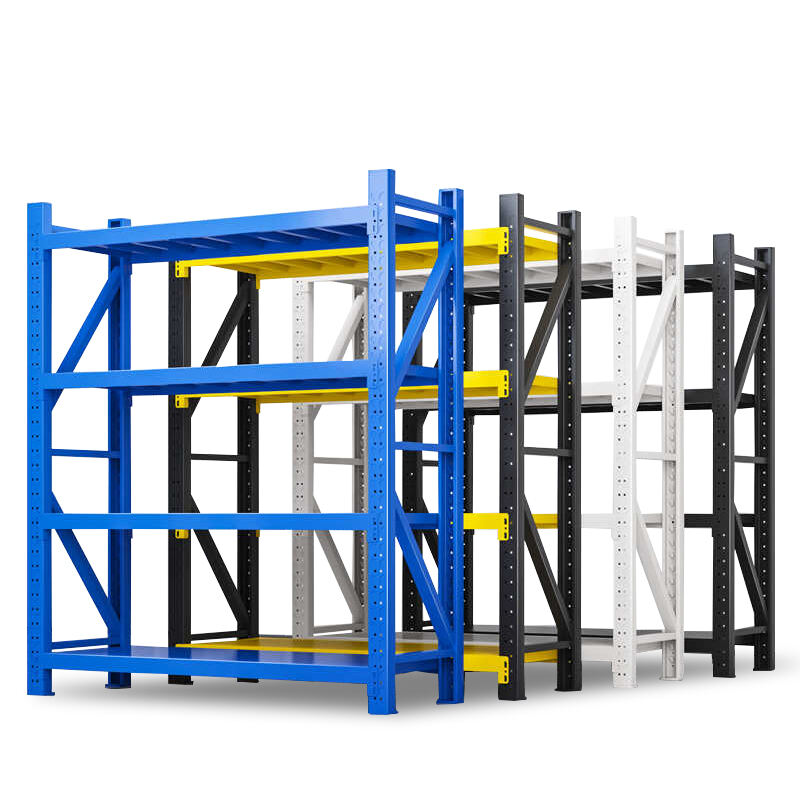
One of the distinctive advantages of quality Stacking Racks lies in their ability to nest or collapse when empty, dramatically reducing storage space requirements during idle periods. This feature becomes particularly valuable for facilities with seasonal demand fluctuations or operations that frequently ship empty racks to satellite locations. When choosing Stacking Racks, examine how the nesting mechanism functions—whether racks stack directly into each other or require partial disassembly. Fully collapsible Stacking Racks offer maximum space savings but may involve more handling time during setup and breakdown.
The nesting ratio—how many empty Stacking Racks can occupy the space of one loaded unit—significantly impacts overall warehouse efficiency. Some advanced designs achieve nesting ratios of four-to-one or better, meaning four empty racks occupy the same vertical space as one loaded unit. This space efficiency extends beyond your primary facility; compact nesting reduces transportation costs when returning empty racks to suppliers or moving equipment between locations. Evaluate nesting features alongside your operational patterns to determine whether this capability justifies any additional investment in more sophisticated Stacking Racks designs.
Optimizing for Facility Layout and Material Flow
Assessing Warehouse Space Utilization
Effective selection of Stacking Racks requires analyzing your existing warehouse layout and identifying opportunities to maximize cubic space utilization. Unlike static shelving systems that occupy fixed floor positions, Stacking Racks offer flexibility in placement and configuration, allowing you to adapt storage density to changing operational needs. Calculate your current space utilization rate by measuring how much of your available cubic volume actually contains stored materials. Many warehouses discover that traditional storage methods use less than sixty percent of available vertical space, representing significant untapped capacity that appropriate Stacking Racks can access.
When integrating Stacking Racks into your facility, consider aisle width requirements for your material handling equipment. Counterbalance forklifts typically require wider aisles than reach trucks or narrow-aisle equipment, directly impacting how many rows of Stacking Racks your space can accommodate. The footprint dimensions of your selected Stacking Racks should align with your facility's column spacing, door widths, and loading dock configurations to avoid creating bottlenecks or inaccessible areas. Some facilities benefit from using different rack sizes in various zones, with compact units in high-density storage areas and larger configurations near shipping and receiving.
Integrating with Material Handling Equipment
The compatibility between your Stacking Racks and existing material handling equipment determines operational efficiency and safety throughout daily workflows. Fork entry points represent a critical design element—whether Stacking Racks feature two-way or four-way entry affects how quickly operators can position, lift, and move loaded units. Four-way entry designs offer maximum flexibility in tight spaces or complex layouts, while two-way entry may suffice in facilities with straightforward linear workflows. Measure the fork dimensions and spacing of your primary handling equipment to ensure selected Stacking Racks accommodate smooth engagement without requiring precise positioning that slows operations.
Beyond basic compatibility, consider how Stacking Racks interact with your broader material handling system. If you use automated guided vehicles or conveyor systems, rack dimensions and weight must align with equipment specifications and weight limits. Some advanced Stacking Racks incorporate identification tags or mounting points for RFID systems, supporting automated inventory tracking and warehouse management integration. When choosing Stacking Racks for facilities transitioning toward automation, select designs that accommodate future technology integration without requiring complete replacement of your storage infrastructure.
Planning for Workflow Efficiency and Ergonomics
The physical design of Stacking Racks significantly impacts worker efficiency and ergonomics during loading, unloading, and inventory management activities. Access height represents a primary consideration—materials stored near floor level or above comfortable reach heights slow operations and increase injury risk. When selecting Stacking Racks, evaluate the typical access patterns for your bulk materials and choose configurations that position frequently handled items within the ergonomic zone between knee and shoulder height. Some designs incorporate angled or drop-front access panels that improve visibility and reduce reaching or bending during material retrieval.
Material flow patterns through your facility should guide Stacking Racks placement decisions to minimize travel distances and handling touches. Position Stacking Racks containing incoming raw materials near receiving docks, while finished goods await shipment closer to outbound areas. Cross-docking operations benefit from Stacking Racks configurations that allow direct transfer between receiving and shipping without intermediate storage moves. By aligning your Stacking Racks layout with natural material flow, you reduce labor hours, decrease forklift travel time, and improve overall throughput capacity without requiring additional equipment or staffing.
Ensuring Safety Compliance and Long-Term Performance
Meeting Regulatory Standards and Safety Codes
Compliance with relevant safety regulations and industry standards forms an essential component of choosing appropriate Stacking Racks for bulk material handling operations. Different regions and industries maintain specific requirements regarding load ratings, structural testing, and safety certifications for storage equipment. In the United States, OSHA regulations govern industrial storage systems, while European facilities must comply with EN standards for steel storage equipment. When evaluating Stacking Racks, verify that manufacturers provide documentation of compliance with applicable standards and that load capacity ratings reflect tested, certified values rather than theoretical calculations.
Beyond baseline compliance, consider industry-specific safety requirements that may apply to your operations. Facilities handling hazardous materials, food products, or pharmaceutical components face additional regulatory scrutiny regarding material cleanliness, contamination prevention, and emergency access. Some industries require Stacking Racks with specific color coding, load placards, or inspection documentation to maintain certification. Understanding your complete regulatory environment ensures that your Stacking Racks selection supports ongoing compliance without requiring costly modifications or replacements to meet overlooked requirements.
Implementing Load Identification and Capacity Marking
Clear load capacity marking on Stacking Racks prevents overloading incidents that compromise structural integrity and worker safety. Quality Stacking Racks include permanent capacity plates or markings that specify maximum load per level, maximum stack height, and total system capacity under various configurations. When choosing Stacking Racks, prioritize designs with durable, easily visible capacity markings that remain legible throughout the equipment's service life. Some facilities enhance safety by implementing color-coded systems that visually distinguish Stacking Racks with different capacity ratings, reducing the risk of mistakenly overloading lighter-duty units.
Beyond manufacturer markings, establish internal protocols for load identification and verification before stacking operations. This might include requiring operators to confirm material weight against rack capacity or implementing weighing checkpoints for uncertain loads. When facilities use Stacking Racks for diverse material types with varying weights, consider adding supplemental identification systems that track which specific materials occupy each rack. These practices extend the functional life of your Stacking Racks by preventing damage from excessive loading while maintaining a documented safety record that supports regulatory compliance and insurance requirements.
Establishing Inspection and Maintenance Protocols
Regular inspection and maintenance preserve the structural integrity and safety performance of Stacking Racks throughout their operational lifespan. Develop a scheduled inspection program that examines critical stress points, weld integrity, surface condition, and overall structural alignment at defined intervals. Daily visual inspections by equipment operators should identify obvious damage like bent posts, cracked welds, or missing components, while more detailed quarterly or annual inspections conducted by qualified personnel assess less visible structural concerns. When choosing Stacking Racks, consider designs that facilitate inspection access to critical connection points and stress areas without requiring disassembly.
Maintenance requirements vary based on Stacking Racks construction materials, surface treatments, and operational intensity. Steel racks in humid environments require periodic inspection for corrosion and may need surface treatment renewal to prevent deterioration. High-use facilities should establish protocols for straightening or replacing damaged components before structural compromise affects safety or performance. Some organizations implement rack retirement schedules based on usage intensity and inspection findings, removing units from service before age-related degradation creates risk. By factoring maintenance accessibility and component availability into your initial Stacking Racks selection, you ensure long-term supportability without unexpected operational disruptions.
Evaluating Cost Factors and Return on Investment
Comparing Initial Investment Against Operational Gains
The upfront cost of Stacking Racks represents only one component of the total ownership equation when choosing equipment for bulk material handling. While budget constraints naturally influence purchasing decisions, evaluating the complete financial picture requires considering operational efficiency gains, space utilization improvements, and equipment lifespan. Higher-quality Stacking Racks with superior construction and durability typically command premium prices but deliver better long-term value through reduced maintenance needs, extended service life, and fewer replacement cycles. Calculate the cost per use over the expected equipment lifespan rather than focusing solely on initial purchase price.
Operational efficiency improvements generated by appropriate Stacking Racks often justify higher initial investments through measurable productivity gains. Faster loading and unloading times reduce labor hours per handling operation, while improved space utilization may defer or eliminate costly facility expansion projects. Some facilities achieve return on investment within eighteen to twenty-four months purely through labor savings and increased storage density. When choosing Stacking Racks, quantify expected benefits in concrete terms—square feet of space saved, labor hours reduced, or handling touches eliminated—to support investment decisions with data-driven projections rather than subjective assessments.
Considering Flexibility and Adaptability Value
The ability of Stacking Racks to adapt to changing operational requirements provides significant value that extends beyond immediate functional needs. Modular designs with adjustable components allow facilities to reconfigure storage systems as product lines evolve, inventory profiles shift, or business volumes fluctuate. This adaptability protects against obsolescence and reduces the need for complete equipment replacement when operational parameters change. When evaluating different Stacking Racks options, assess not only how well each solution fits current requirements but also how readily it can accommodate anticipated future changes in your material handling operations.
Standardization across your Stacking Racks inventory offers additional financial advantages through simplified training, interchangeable components, and streamlined maintenance procedures. Facilities using multiple rack types face higher training costs, increased spare parts inventory, and greater complexity in layout planning and optimization. While specific applications may require specialized Stacking Racks configurations, maximizing standardization where operationally feasible reduces total cost of ownership. Some organizations achieve optimal balance by establishing a primary standard rack specification for general use while maintaining limited quantities of specialized units for unique material handling requirements.
Factoring Total Ownership Costs and Lifespan
Comprehensive total cost of ownership analysis for Stacking Racks encompasses purchase price, installation or setup costs, maintenance expenses, operational efficiency impacts, and eventual disposal or resale value. High-quality industrial Stacking Racks typically provide fifteen to twenty years of service in moderate-use environments, while intensive operations may see shorter lifespans. Calculate annual cost of ownership by dividing total lifecycle costs by expected service years, then compare this figure across different rack options to identify true value leaders. This approach often reveals that mid-range or premium products deliver better value than budget alternatives despite higher initial prices.
Maintenance costs vary significantly based on Stacking Racks construction quality, operational intensity, and environmental conditions. Budget options may require frequent component replacement or structural repairs that ultimately exceed any initial savings. Conversely, premium Stacking Racks with superior materials and construction typically demand minimal maintenance beyond routine inspections and occasional surface treatment renewal. Factor estimated annual maintenance costs into your selection criteria, recognizing that these expenses accumulate over equipment lifespan and directly impact operational budgets. Some manufacturers offer extended warranties or service agreements that provide cost predictability and protect against unexpected repair expenses.
FAQ
What load capacity should I look for when choosing Stacking Racks for heavy bulk materials?
Load capacity requirements depend on your specific materials, but industrial Stacking Racks for heavy bulk materials typically range from 2,000 to 6,000 pounds per unit. Always select racks with capacity ratings that exceed your maximum anticipated load by at least twenty percent to provide a safety margin. Verify that published capacity ratings account for vertical stacking scenarios if you plan to stack multiple units, as stacking reduces effective capacity for upper levels. Consider both static load capacity for stored materials and dynamic capacity during loading operations, as impact forces during placement can temporarily exceed static weight values.
How do I determine the right size Stacking Racks for my warehouse space?
Start by measuring your typical material load dimensions and adding clearance space for safe handling—generally four to six inches on all sides. Then assess your facility constraints including aisle width requirements for your material handling equipment, ceiling height, column spacing, and door dimensions. The optimal Stacking Racks size balances maximum space utilization against operational flexibility and equipment compatibility. Many facilities benefit from using computer-aided layout tools or working with storage system designers to model different rack configurations and identify the arrangement that maximizes storage density while maintaining efficient material flow patterns.
Can Stacking Racks work with automated warehouse systems and inventory management software?
Modern Stacking Racks can integrate effectively with automated warehouse systems and inventory management software through several approaches. Many designs accommodate RFID tags or barcode labels that enable automated tracking as racks move through your facility. Some manufacturers offer Stacking Racks with mounting points specifically designed for electronic tracking devices or sensors that communicate with warehouse management systems. For facilities implementing automation, choose Stacking Racks with consistent dimensions and identification features that support your tracking technology. While basic rack structures remain passive storage devices, proper integration with your digital systems transforms them into active components of an intelligent material handling network.
What maintenance procedures are necessary to keep Stacking Racks safe and functional long-term?
Effective Stacking Racks maintenance begins with daily visual inspections by equipment operators to identify obvious damage such as bent posts, cracked welds, or deformed sections. Implement quarterly detailed inspections conducted by trained personnel who examine structural connections, surface condition, and overall alignment using established checklists. Address any identified damage immediately by removing affected racks from service until repairs are completed by qualified technicians. In corrosive environments, periodic surface treatment renewal extends rack lifespan and maintains structural integrity. Maintain documentation of all inspections and repairs to support safety compliance and identify units requiring retirement based on cumulative damage or age-related deterioration.
Table of Contents
- Understanding Load Capacity and Structural Requirements
- Matching Rack Configuration to Material Characteristics
- Optimizing for Facility Layout and Material Flow
- Ensuring Safety Compliance and Long-Term Performance
- Evaluating Cost Factors and Return on Investment
-
FAQ
- What load capacity should I look for when choosing Stacking Racks for heavy bulk materials?
- How do I determine the right size Stacking Racks for my warehouse space?
- Can Stacking Racks work with automated warehouse systems and inventory management software?
- What maintenance procedures are necessary to keep Stacking Racks safe and functional long-term?