
 EN
EN
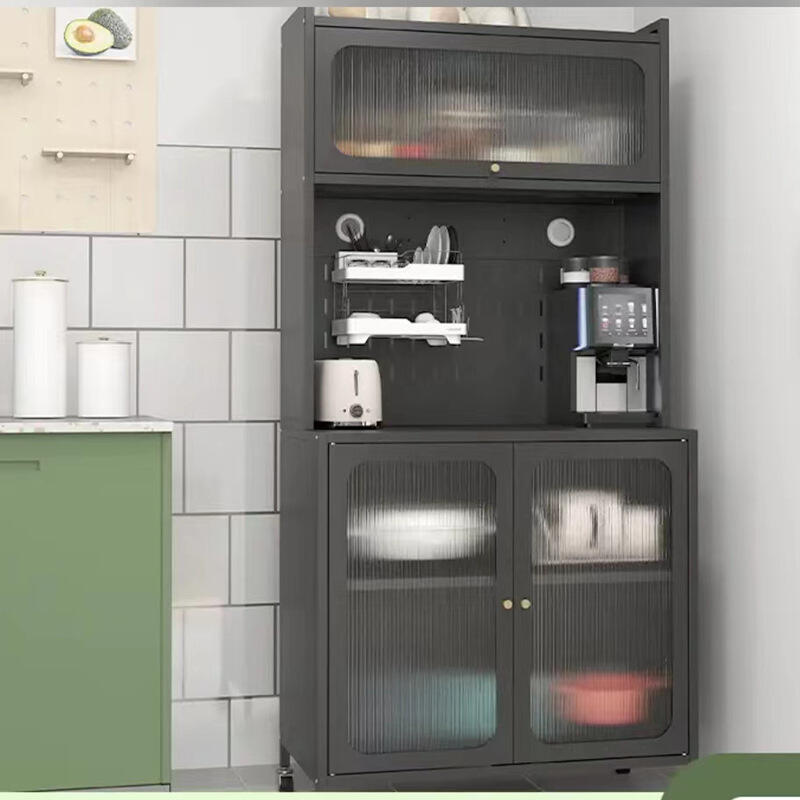
Open-plan living spaces have revolutionized modern home design, creating seamless environments where kitchens, dining areas, and living rooms flow together without traditional barriers. However, this architectural evolution brings unique organizational challenges that require thoughtful solutions. Living room cabinets emerge as essential elements in these expansive spaces, serving far beyond simple storage to become architectural anchors that define zones, conceal clutter, and maintain the sophisticated aesthetic that open-plan designs demand.
The importance of living room cabinets in open-plan environments extends beyond conventional storage needs, addressing the fundamental challenge of maintaining order in spaces where multiple functions coexist. These carefully selected furniture pieces provide the organizational infrastructure necessary to support the dynamic lifestyle that open-plan living enables, while simultaneously contributing to the visual harmony and functional efficiency that makes these spaces truly livable.
Creating Visual Boundaries and Spatial Definition
Establishing Functional Zones Without Physical Barriers
Living room cabinets serve as sophisticated spatial dividers in open-plan environments, creating distinct functional areas without compromising the flowing nature of the design. Unlike permanent walls, these furniture pieces provide flexible boundaries that can be repositioned as needs evolve, allowing homeowners to adapt their spaces for different activities throughout the day. The strategic placement of cabinets helps establish clear zones for relaxation, entertainment, work, and dining while maintaining visual connectivity across the entire space.
The height and configuration of living room cabinets play crucial roles in spatial definition, with taller units creating more pronounced separation and lower pieces maintaining sight lines while still providing organizational benefits. This flexibility allows designers to create layered environments where different activities can occur simultaneously without interference, making open-plan spaces more functional for families and individuals with diverse lifestyle needs.
Maintaining Sight Lines While Providing Structure
Effective living room cabinets in open-plan spaces must balance the need for organization with the desire to preserve the expansive feel that makes these environments appealing. Open-back units, floating designs, and strategically positioned cabinets allow light to flow through the space while providing necessary storage and display opportunities. This careful balance ensures that the organizational benefits don't come at the expense of the openness that defines these modern living concepts.
The transparency and visual weight of living room cabinets significantly impact how spaces feel and function, with lighter materials and open configurations maintaining the airy atmosphere while providing substantial organizational capacity. Professional designers often recommend units that appear to float or have minimal visual impact on floor space, preserving the sense of continuity that makes open-plan living so appealing to contemporary homeowners.
Addressing Storage Challenges in Expansive Spaces
Concealing Everyday Items and Personal Belongings
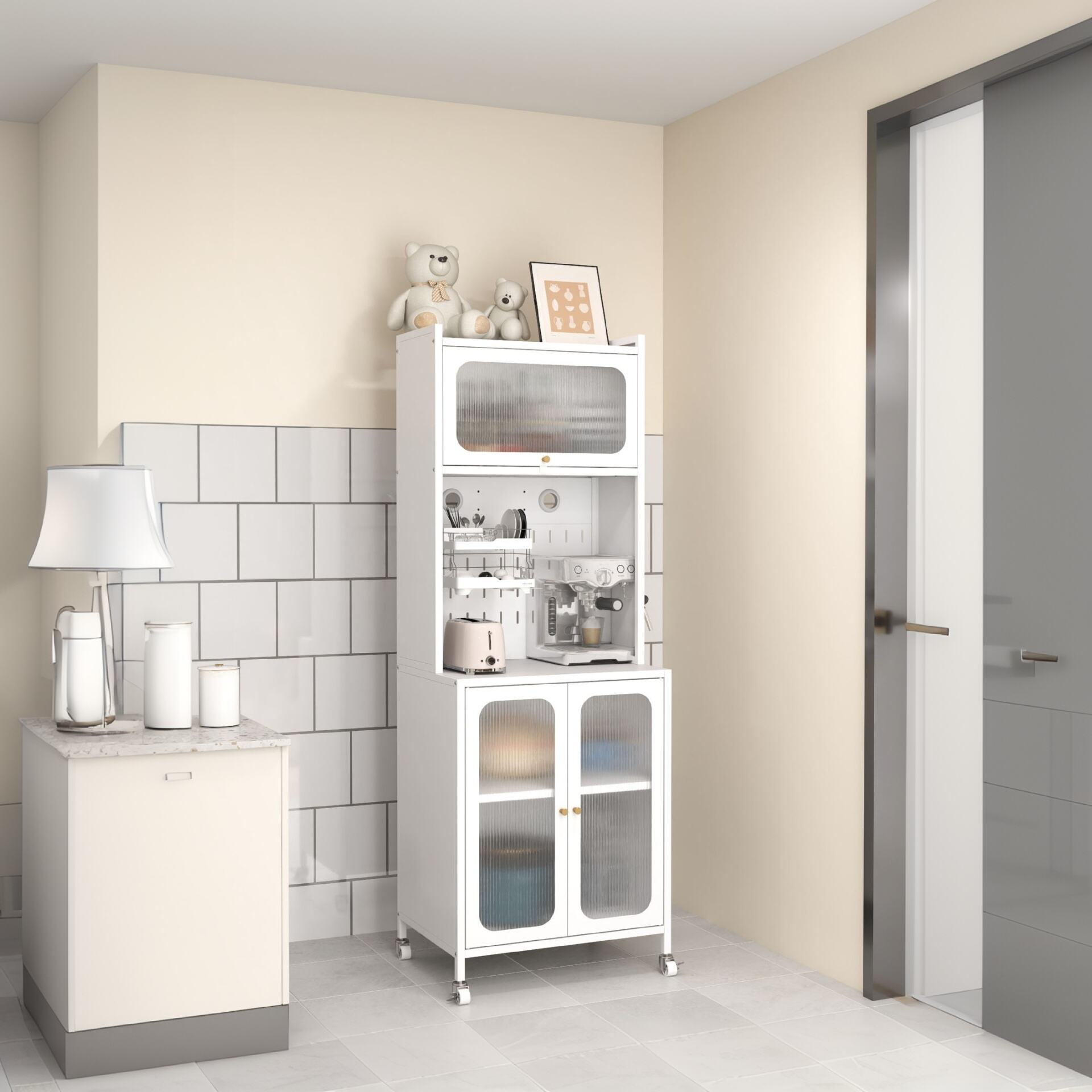
Open-plan living spaces create unique storage challenges because traditional hiding places like separate rooms and closets are often eliminated or reduced in these designs. Living room cabinets become essential for concealing the everyday items that accumulate in active living spaces, from remote controls and charging cables to books, games, and personal collections. Without adequate concealed storage, these items can quickly overwhelm the clean aesthetic that open-plan designs require to function effectively.
The enclosed compartments within quality living room cabinets provide secure, organized storage for items that need to remain accessible but shouldn't be permanently visible. This concealment capability is particularly important in open-plan spaces where the living area is constantly visible from other functional zones, making clutter management a critical aspect of maintaining the sophisticated appearance these spaces demand.
Supporting Multiple Activities in Shared Spaces
Living room cabinets must accommodate the storage needs of various activities that occur within open-plan environments, from casual entertaining and media consumption to remote work and children's play. The compartmentalized storage within these units allows for organized separation of different activity-related items, ensuring that each function has dedicated space without interfering with others. This organizational capability is essential for maintaining the flexibility that makes open-plan living attractive to modern households.
The adaptable internal organization of well-designed living room cabinets supports changing needs as activities shift throughout the day and seasons. Adjustable shelving, removable dividers, and modular components allow homeowners to reconfigure storage to accommodate new needs, ensuring that these organizational solutions remain relevant as lifestyles evolve.
Enhancing Aesthetic Continuity and Design Cohesion
Integrating with Existing Architectural Elements
Living room cabinets in open-plan spaces must work harmoniously with existing architectural features, kitchen cabinetry, and built-in elements to create a cohesive design narrative. The materials, finishes, and proportions of these furniture pieces should complement rather than compete with other design elements, contributing to the unified aesthetic that makes open-plan spaces feel intentional and well-planned rather than chaotic or disconnected.
Professional interior designers often select living room cabinets that echo materials and design themes found elsewhere in the open space, creating visual connections that strengthen the overall design concept. This coordination might involve matching wood tones, hardware finishes, or design styles to ensure that storage solutions enhance rather than detract from the sophisticated atmosphere these spaces aim to achieve.
Contributing to Overall Design Narrative
Beyond their functional role, living room cabinets serve as significant design elements that contribute to the overall aesthetic story of open-plan spaces. These pieces can introduce texture, color, and visual interest while providing essential organizational capabilities, making them valuable contributors to both form and function within contemporary living environments. The selection and placement of these cabinets can reinforce design themes, highlight architectural features, or create focal points that guide the eye through the space.
The design language of living room cabinets should support the intended atmosphere of the open-plan space, whether that's minimalist sophistication, warm contemporary comfort, or industrial chic. This aesthetic contribution ensures that organizational solutions enhance rather than compromise the design vision, making storage an integral part of the overall interior design strategy rather than an afterthought.
Supporting Lifestyle Flexibility and Future Adaptability
Accommodating Changing Family Dynamics
Living room cabinets provide the organizational flexibility necessary to support evolving family needs within open-plan environments. As households change over time, these storage solutions can be reconfigured, relocated, or supplemented to accommodate new activities, family members, or lifestyle preferences. This adaptability is particularly valuable in open-plan spaces where functional requirements may shift more dramatically than in traditional compartmentalized homes.
The modular nature of quality living room cabinets allows homeowners to respond to changing storage needs without major renovation or replacement investments. Additional units can be added, existing pieces can be reconfigured, and organizational systems can be adjusted to support new activities or priorities, ensuring that storage solutions remain relevant and effective as life circumstances evolve.
Enabling Seasonal and Activity-Based Reorganization
Open-plan living spaces often serve multiple seasonal functions, from holiday entertaining to summer indoor-outdoor flow, requiring storage solutions that can adapt to these changing needs. Living room cabinets provide the organizational infrastructure to support these transitions, offering flexible storage for seasonal items, special occasion supplies, and activity-specific equipment. This adaptability ensures that open-plan spaces can fulfill their potential as truly flexible living environments.
The internal organization systems within well-designed living room cabinets can be adjusted to accommodate seasonal storage needs, from holiday decorations and entertaining supplies to outdoor equipment and recreational items. This flexibility allows homeowners to maximize the utility of their open-plan spaces throughout the year while maintaining the organized appearance that these environments require to function effectively.
FAQ
What size living room cabinets work best in open-plan spaces?
The optimal size for living room cabinets in open-plan spaces depends on ceiling height, overall room dimensions, and intended function. Generally, units between 30-36 inches high work well for maintaining sight lines while providing substantial storage, while taller cabinets up to 84 inches can serve as room dividers when more pronounced spatial separation is desired. The key is selecting proportions that complement the space's scale without overwhelming the open feel.
How do living room cabinets help with noise management in open-plan homes?
Living room cabinets contribute to acoustic management in open-plan spaces by providing sound-absorbing mass and creating physical barriers that help reduce noise transmission between different activity zones. Solid-door cabinets are particularly effective at dampening sound, while the contents stored within units also help absorb ambient noise, making these spaces more comfortable for multiple simultaneous activities.
Can living room cabinets replace traditional room dividers in open-plan designs?
Living room cabinets can effectively replace traditional room dividers while providing additional functionality through their storage capacity. Unlike purely decorative dividers, cabinets serve dual purposes by creating spatial boundaries and organizing belongings, making them more practical solutions for open-plan environments where every element should contribute multiple benefits to justify its presence in the limited floor space.
What materials work best for living room cabinets in open-plan environments?
Materials for living room cabinets in open-plan spaces should coordinate with existing finishes while providing durability for high-use environments. Wood, metal, and high-quality engineered materials all work well when selected to complement the overall design scheme. The key is choosing materials that can withstand daily use while contributing to the sophisticated aesthetic that open-plan spaces require to remain visually appealing and functionally effective.