
 EN
EN
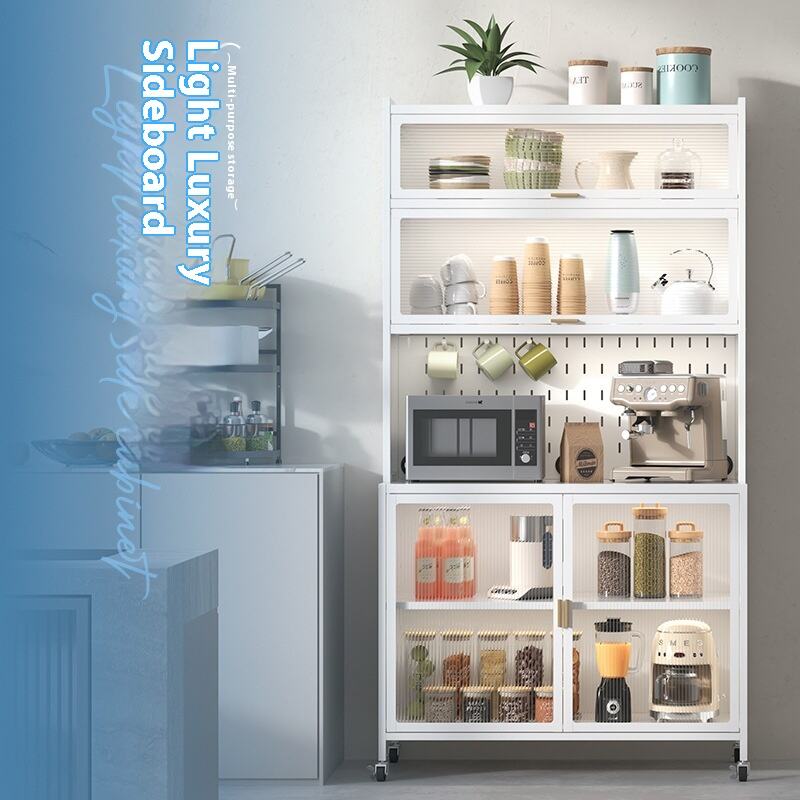
Living room cabinets serve as fundamental architectural elements that bridge functional storage needs with aesthetic design vision, making them essential components in achieving truly personalized interior spaces. These versatile furniture pieces offer interior designers and homeowners the flexibility to create cohesive design schemes while addressing specific storage requirements, spatial constraints, and lifestyle preferences that define modern living environments.
The strategic integration of living room cabinets into custom interior design projects requires careful consideration of dimensional specifications, material selections, finish applications, and functional configurations that align with broader design objectives. Professional interior designers leverage these storage solutions to establish visual hierarchy, create focal points, and maintain design continuity throughout residential spaces while ensuring optimal functionality for daily living activities.
Dimensional Customization and Spatial Integration
Tailored Sizing for Unique Room Configurations
Living room cabinets excel in custom interior design applications through their ability to accommodate non-standard room dimensions and architectural features that characterize residential properties. Interior designers frequently encounter spaces with irregular wall configurations, ceiling height variations, alcove installations, and built-in architectural elements that require precisely dimensioned storage solutions rather than standard retail furniture options.
Custom-dimensioned living room cabinets address these spatial challenges by providing exact width, height, and depth measurements that maximize available floor space while maintaining appropriate circulation pathways. This dimensional precision enables designers to create seamless integration between storage elements and existing architectural features, resulting in cohesive interior environments that appear intentionally planned rather than furnished with aftermarket additions.
The flexibility inherent in cabinet customization extends to modular configurations that adapt to evolving spatial requirements and functional needs. Designers can specify sectional living room cabinets that expand or reconfigure based on future room layout modifications, furniture relocations, or changing storage requirements that emerge over time.
Vertical Space Optimization Strategies
Contemporary living spaces often feature challenging vertical proportions that require strategic cabinet placement to achieve balanced visual composition and functional accessibility. Living room cabinets designed for custom applications leverage full ceiling heights through carefully planned vertical configurations that maximize storage capacity while maintaining proportional relationships with surrounding furniture elements.
Floor-to-ceiling living room cabinets create dramatic visual impact while providing extensive storage capacity for diverse household items, seasonal decorations, entertainment equipment, and personal collections. These vertical installations require precise engineering to ensure structural stability, door operation clearance, and safe access to upper storage compartments through integrated ladder systems or adjustable shelf mechanisms.
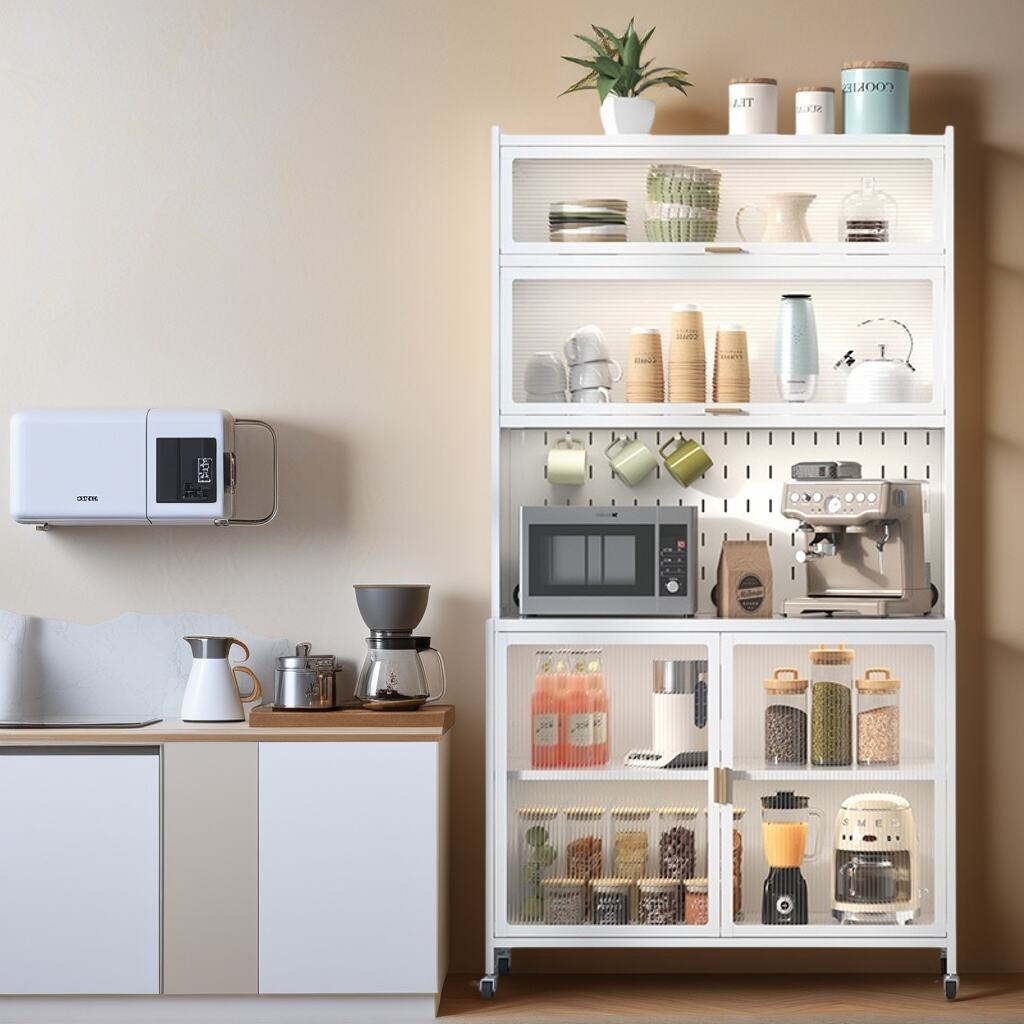
Material Selection and Finish Coordination
Wood Species and Grain Pattern Integration
The material composition of living room cabinets significantly influences their compatibility with established interior design themes, color palettes, and textural elements throughout residential spaces. Custom cabinet projects enable precise wood species selection that complements existing millwork, flooring materials, and architectural trim details to create unified design narratives.
Hardwood living room cabinets constructed from oak, maple, cherry, or walnut species offer distinctive grain patterns and natural color variations that contribute to warm, organic interior environments. These natural wood selections require careful coordination with existing wood elements to ensure harmonious grain direction, color temperature consistency, and finish sheen compatibility across all visible surfaces.
Engineered wood alternatives provide consistent appearance characteristics and enhanced dimensional stability for living room cabinets installed in environments with significant temperature and humidity fluctuations. These manufactured materials enable precise color matching and eliminate natural wood variations that might conflict with specific design requirements.
Contemporary Material Applications
Modern interior design approaches increasingly incorporate alternative materials in living room cabinets to achieve specific aesthetic objectives and performance characteristics that natural wood cannot provide. Metal framework systems, glass panel inserts, concrete composite surfaces, and high-pressure laminate finishes expand design possibilities while addressing durability requirements in high-traffic residential environments.
Mixed-material living room cabinets combine multiple surface treatments within single furniture pieces to create visual interest and functional variety. Steel frame construction with wood veneer panels, tempered glass doors with solid wood frames, and concrete countertops with wood base cabinets demonstrate successful material integration strategies that support contemporary design aesthetics.
Functional Configuration and Interior Organization
Storage System Specialization
Custom living room cabinets accommodate specific storage requirements that standard furniture products cannot address through specialized interior organization systems and accessory integration. Entertainment equipment housing, book collection display, gaming console storage, and media library organization represent common functional requirements that benefit from tailored cabinet configurations.
Cable management systems integrated within living room cabinets eliminate visible wire clutter while maintaining convenient access to electronic connections and power sources. Custom-routed channels, removable back panels, and ventilation provisions ensure optimal performance of enclosed electronic equipment while preserving clean interior appearances.
Adjustable shelving systems within living room cabinets provide long-term flexibility for changing storage needs and item dimensions. Heavy-duty shelf hardware, reinforced mounting systems, and modular shelf configurations enable safe storage of varying loads while maintaining structural integrity over extended use periods.
Accessibility and Ergonomic Considerations
Universal design principles increasingly influence living room cabinets specifications to ensure comfortable access for users with diverse physical capabilities and mobility requirements. Adjustable shelf heights, pull-out drawer systems, and soft-close hardware mechanisms enhance usability while reducing physical strain during daily interactions.
Counter-height work surfaces integrated with living room cabinets create functional zones for various activities including laptop computer use, homework completion, craft projects, and casual dining applications. These multi-purpose configurations maximize spatial efficiency while supporting diverse lifestyle requirements within compact living environments.
Design Integration and Visual Continuity
Architectural Style Compatibility
Living room cabinets designed for custom interior applications must demonstrate appropriate stylistic compatibility with established architectural themes and historical design periods represented within residential properties. Traditional, contemporary, transitional, and eclectic interior design approaches require distinct cabinet design elements that reinforce rather than conflict with existing aesthetic frameworks.
Traditional living room cabinets incorporate raised panel doors, decorative molding profiles, classical hardware selections, and formal proportional relationships that complement historical architectural details. Crown molding integration, fluted pilaster details, and antique finish techniques create authentic period appearances that support traditional interior design objectives.
Contemporary living room cabinets emphasize clean geometric lines, minimal hardware applications, smooth surface transitions, and integrated handle systems that align with modern design principles. Flat-panel door construction, concealed hinges, and monochromatic color schemes create sleek appearances that complement contemporary architectural features.
Color Coordination and Visual Balance
Strategic color selection for living room cabinets significantly impacts overall interior composition and visual hierarchy establishment within residential spaces. Custom finish applications enable precise color matching with existing interior elements while supporting desired mood creation and spatial perception objectives.
Neutral cabinet finishes provide versatile backgrounds that accommodate changing accessory colors, artwork selections, and seasonal decoration themes without requiring cabinet refinishing. White, cream, gray, and natural wood tones offer timeless appeal while maintaining compatibility with evolving interior design trends and personal preferences.
Bold cabinet colors create dramatic focal points and establish strong design statements that define room character and personality. Deep blue, forest green, charcoal gray, and rich burgundy finishes require careful coordination with surrounding color elements to prevent overwhelming visual impact while maintaining sophisticated design balance.
Installation and Technical Considerations
Structural Integration Requirements
Professional installation of custom living room cabinets requires thorough evaluation of existing wall construction, floor leveling conditions, and structural support capabilities to ensure safe long-term performance and aesthetic quality. Load-bearing calculations, mounting hardware specifications, and seismic safety considerations influence installation methodology and cabinet construction requirements.
Wall-mounted living room cabinets demand adequate structural support through appropriate mounting systems that distribute cabinet loads across multiple wall studs or engineered mounting systems. Hollow wall installations may require additional blocking or structural reinforcement to safely support cabinet weight and contents over extended periods.
Electrical and Lighting Integration
Integrated lighting systems within living room cabinets enhance both functional visibility and aesthetic appeal through carefully positioned LED strips, puck lights, or linear lighting elements. Under-cabinet lighting, interior cabinet illumination, and accent lighting applications require coordination with electrical rough-in work during construction or renovation phases.
Power outlet integration within living room cabinets supports electronic device charging, equipment operation, and appliance connectivity without compromising cabinet aesthetics or functionality. Hidden outlet placement, wireless charging pad integration, and USB connectivity options represent modern electrical solutions that enhance cabinet utility.
FAQ
What factors determine the optimal size for custom living room cabinets?
Optimal cabinet sizing depends on available wall space, ceiling height, surrounding furniture dimensions, intended storage contents, and user accessibility requirements. Professional designers typically maintain 36-42 inch clearances for walkways and ensure upper cabinet placement allows comfortable access without requiring step stools for daily use items.
How do living room cabinets integrate with existing HVAC and electrical systems?
Cabinet installation requires careful coordination with air vents, electrical outlets, light switches, and cable connections. Custom designs can incorporate cutouts for existing fixtures or relocate systems elements to accommodate cabinet placement. Professional installation teams coordinate with relevant trades to ensure proper system integration without compromising functionality.
What maintenance requirements apply to different cabinet materials and finishes?
Wood cabinets require periodic cleaning with appropriate wood care products and may need refinishing every 5-10 years depending on usage and finish type. Laminate and painted surfaces need regular cleaning with mild detergents but typically maintain appearance longer. Hardware components may require periodic adjustment and lubrication to ensure smooth operation.
Can living room cabinets be modified or expanded after initial installation?
Modular cabinet systems allow for future expansion or reconfiguration, while custom built-in units typically require professional modification. Planning for future changes during initial design phases enables easier modifications through standardized connections, removable components, and expandable configurations that adapt to changing needs over time.
Table of Contents
- Dimensional Customization and Spatial Integration
- Material Selection and Finish Coordination
- Functional Configuration and Interior Organization
- Design Integration and Visual Continuity
- Installation and Technical Considerations
-
FAQ
- What factors determine the optimal size for custom living room cabinets?
- How do living room cabinets integrate with existing HVAC and electrical systems?
- What maintenance requirements apply to different cabinet materials and finishes?
- Can living room cabinets be modified or expanded after initial installation?