
 EN
EN
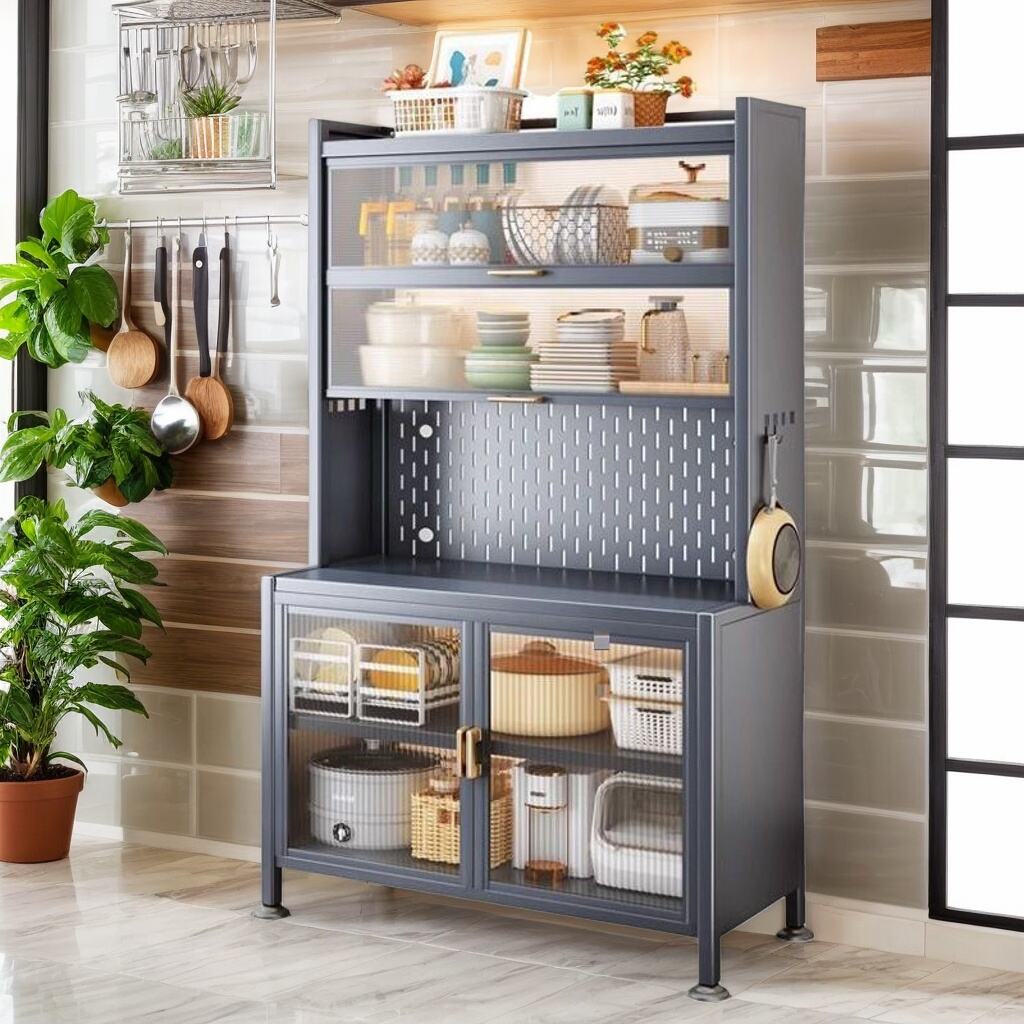
Living room cabinets have emerged as indispensable components in contemporary home design, serving far beyond their traditional role of simple storage. In today's fast-paced world where homes function as multifaceted spaces for work, entertainment, and relaxation, living room cabinets provide the structural foundation for maintaining order while preserving aesthetic appeal. The strategic integration of these storage solutions addresses the growing challenge of managing diverse household items, from media equipment and gaming consoles to books, decorative objects, and seasonal items that accumulate in our primary living spaces.
The significance of living room cabinets extends well beyond mere functionality, influencing the overall spatial dynamics and psychological comfort of the home's central gathering area. Modern households face unprecedented organizational challenges as living rooms increasingly serve multiple purposes, requiring sophisticated storage solutions that can adapt to changing needs while maintaining visual harmony. This evolution has positioned living room cabinets as essential architectural elements that bridge the gap between practical necessity and design sophistication, making them critical investments for homeowners seeking to optimize their living environments.
The Functional Foundation of Modern Living Spaces
Addressing Contemporary Storage Challenges
Modern living rooms face unique organizational demands that previous generations never encountered. The proliferation of electronic devices, remote work equipment, and entertainment systems creates a complex storage ecosystem that requires thoughtful management. Living room cabinets serve as the primary solution for housing these diverse items while maintaining the space's primary function as a relaxation and social area. The challenge lies not just in providing adequate storage capacity, but in creating systems that allow for easy access and efficient organization of frequently used items.
The contemporary lifestyle demands flexibility from our living spaces, with rooms serving multiple functions throughout the day. Living room cabinets enable this adaptability by providing designated storage for work materials during the day, entertainment accessories in the evening, and seasonal items year-round. This multifunctional approach to storage prevents the accumulation of clutter that can quickly transform a welcoming living space into a chaotic environment that undermines relaxation and social interaction.
Furthermore, the integration of technology into daily life has created new categories of items that require specialized storage considerations. Gaming equipment, streaming devices, charging stations, and cable management all benefit from the structured organization that well-designed living room cabinets provide. This technological integration demands storage solutions that can accommodate both current needs and future technological developments, making adaptable cabinet systems essential for long-term home organization success.
Supporting Lifestyle Evolution and Family Dynamics
Living room cabinets play a crucial role in supporting the evolving needs of modern families, providing storage solutions that can adapt as household dynamics change. Growing families require flexible storage options that can accommodate children's toys, educational materials, and recreational items while maintaining adult-oriented organization systems. The strategic placement of living room cabinets creates designated zones for different family activities, promoting both organization and harmonious coexistence in shared spaces.
The psychological impact of organized living spaces cannot be understated, particularly in homes where the living room serves as the primary gathering area for family interaction and relaxation. Living room cabinets contribute to mental well-being by eliminating visual clutter and creating predictable storage locations for commonly used items. This organizational structure reduces daily stress associated with searching for misplaced items and maintains the living room's function as a peaceful retreat from external pressures.
Additionally, living room cabinets support the hosting and entertaining functions that remain central to modern home life. Proper storage for entertaining supplies, games, and seasonal decorations ensures that homeowners can quickly transform their living spaces for different occasions without extensive preparation or disruption. This capability enhances the home's social functionality while maintaining day-to-day organizational efficiency.
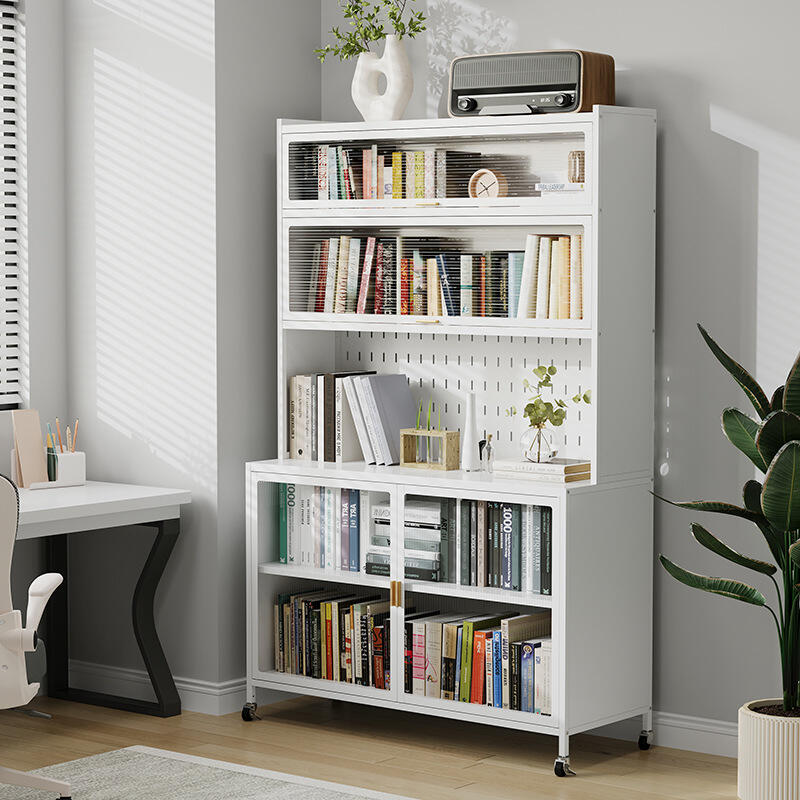
Design Integration and Aesthetic Harmony
Balancing Function with Visual Appeal
The aesthetic integration of living room cabinets requires careful consideration of proportion, materials, and placement to ensure they enhance rather than dominate the space. Modern design principles emphasize the importance of storage solutions that complement the room's overall aesthetic while providing maximum functionality. The selection of cabinet styles, finishes, and configurations must align with the existing furniture and architectural elements to create a cohesive visual environment that feels intentionally designed rather than merely functional.
Color coordination and material selection for living room cabinets significantly impact the perceived size and atmosphere of the space. Light-colored cabinets can create an impression of expanded space and enhanced brightness, while darker tones add sophistication and visual weight that can anchor larger rooms. The integration of mixed materials, such as wood and metal combinations, allows for creative design expressions that add textural interest while maintaining organizational functionality.
The positioning and scale of living room cabinets also influence traffic flow and spatial perception within the room. Well-placed cabinets can define conversation areas, create visual boundaries between different functional zones, and provide surfaces for decorative displays that enhance the room's personality. This strategic placement requires understanding how storage solutions interact with natural light sources, seating arrangements, and the overall circulation patterns within the living space.
Creating Architectural Interest and Spatial Definition
Living room cabinets can serve as architectural elements that add structure and visual interest to otherwise undefined spaces. Built-in cabinet systems create the impression of custom millwork and architectural detail, elevating the perceived quality and value of the home. These integrated storage solutions can incorporate lighting features, display areas, and specialized compartments that transform functional storage into decorative focal points.
The vertical emphasis that tall living room cabinets provide can dramatically alter the perceived proportions of a room, drawing the eye upward and creating an impression of increased ceiling height. This architectural manipulation is particularly valuable in smaller homes where maximizing the sense of space is essential for comfort and livability. Strategic use of open and closed storage areas within cabinet designs creates visual rhythm and prevents the monotony that can result from uniform storage solutions.
Modular cabinet systems offer flexibility for creating custom configurations that respond to specific architectural challenges and opportunities within individual living rooms. These adaptable systems allow homeowners to create storage solutions that work around existing features like windows, fireplaces, and structural elements while maintaining design continuity throughout the space.
Psychological and Social Benefits of Organized Living
Mental Health and Stress Reduction
The psychological benefits of well-organized living spaces, facilitated by effective living room cabinets, extend far beyond simple aesthetics to impact daily mental health and overall quality of life. Research consistently demonstrates that cluttered environments contribute to elevated stress levels and decreased cognitive function, while organized spaces promote feelings of control and competence. Living room cabinets provide the infrastructure necessary to maintain organization systems that support psychological well-being and mental clarity.
The presence of designated storage locations for all living room items eliminates the cognitive load associated with decision-making about where things belong. This reduction in daily micro-decisions preserves mental energy for more important tasks and reduces the cumulative stress that results from constant low-level disorganization. Living room cabinets create predictable systems that family members can easily maintain, promoting a sense of shared responsibility and accomplishment.
Furthermore, the visual calm created by properly utilized living room cabinets supports relaxation and leisure activities that are essential for mental health maintenance. The ability to quickly restore order to the living space after activities or gatherings prevents the accumulation of stress-inducing clutter and maintains the room's function as a restorative environment within the home.
Enhancing Social Interactions and Hospitality
Living room cabinets significantly impact the social functionality of the home by ensuring that entertaining and hosting activities can occur without extensive preparation or embarrassment about disorganization. The availability of adequate storage for entertaining supplies, games, and occasional-use items allows for spontaneous social gatherings and reduces the barriers to hospitality that cluttered spaces often create.
The confidence that comes from maintaining an organized living space through effective use of living room cabinets extends to social situations, enabling homeowners to focus on their guests rather than worrying about the state of their environment. This psychological comfort enhances the quality of social interactions and strengthens relationships by creating welcoming spaces that encourage longer visits and deeper conversations.
Additionally, living room cabinets support the creation of activity zones within the space that can accommodate different types of social interactions. Storage for board games, craft supplies, or reading materials enables diverse activities that cater to various interests and age groups, making the living room more versatile for different social occasions and family gatherings.
Economic and Long-term Value Considerations
Investment in Property Value and Market Appeal
The installation of quality living room cabinets represents a strategic investment in property value that pays dividends both in daily living enjoyment and eventual resale potential. Prospective home buyers consistently rank adequate storage as a primary consideration in their purchasing decisions, making well-designed storage solutions a significant factor in market competitiveness. Living room cabinets demonstrate thoughtful home planning and attention to practical needs that appeal to a broad range of potential buyers.
The perceived value of living room cabinets extends beyond their storage capacity to include their contribution to the overall design sophistication of the home. Custom or high-quality cabinet installations signal attention to detail and investment in long-term functionality that distinguishes properties in competitive real estate markets. This differentiation can translate into faster sales and premium pricing when homeowners decide to relocate.
Moreover, the durability and timeless appeal of well-selected living room cabinets ensure that this investment maintains its value over time rather than becoming dated or requiring frequent replacement. Quality cabinet systems can adapt to changing decor styles through hardware updates and refinishing, providing long-term flexibility that protects the initial investment while allowing for evolving aesthetic preferences.
Cost-Effective Organization Solutions
When evaluated against the cumulative cost of alternative organization solutions, living room cabinets often provide superior value through their longevity and multifunctional capabilities. The elimination of need for multiple smaller storage units, temporary organization products, and frequent replacement of inadequate solutions makes cabinet investment economically advantageous over time.
The efficiency gains achieved through proper organization with living room cabinets translate into time savings that have real economic value for busy households. Reduced time spent searching for items, maintaining temporary organization systems, and dealing with clutter-related stress creates more time for productive or enjoyable activities that improve overall quality of life.
Additionally, living room cabinets protect stored items from damage, dust, and loss, preserving the value of electronics, books, collectibles, and other possessions that might otherwise suffer from inadequate storage conditions. This protective function extends the useful life of stored items and reduces replacement costs over time.
FAQ
What types of items should be stored in living room cabinets?
Living room cabinets are ideal for storing entertainment equipment, gaming consoles, books, magazines, decorative items, seasonal decorations, board games, craft supplies, remote controls, charging cables, and occasional-use items like extra throw pillows or blankets. The key is to store items that are used in or near the living room while keeping frequently accessed items in easily reachable locations.
How do living room cabinets differ from other storage furniture?
Living room cabinets are specifically designed to integrate with the aesthetic and functional requirements of primary living spaces, offering a balance of concealed and display storage options. Unlike bedroom or kitchen storage, living room cabinets prioritize visual appeal and accessibility while accommodating the diverse mix of entertainment, decorative, and occasional-use items typical in family gathering areas.
Can living room cabinets work in small spaces?
Yes, living room cabinets are particularly valuable in small spaces where efficient organization is crucial for maintaining functionality and visual appeal. Vertical cabinet designs maximize storage capacity while minimizing floor space usage, and modular systems can be customized to fit specific spatial constraints. Well-chosen cabinets can actually make small living rooms appear larger by eliminating clutter and creating clean sight lines.
How should living room cabinets be maintained for long-term organization success?
Successful long-term organization requires establishing clear categories for stored items, regularly reviewing and purging unnecessary items, and ensuring all family members understand the organization system. Monthly maintenance sessions help prevent accumulation of clutter, while seasonal reviews allow for adjustments to storage needs as lifestyles change. Consistent labeling and logical placement of items within cabinets support sustainable organization habits.