
 EN
EN
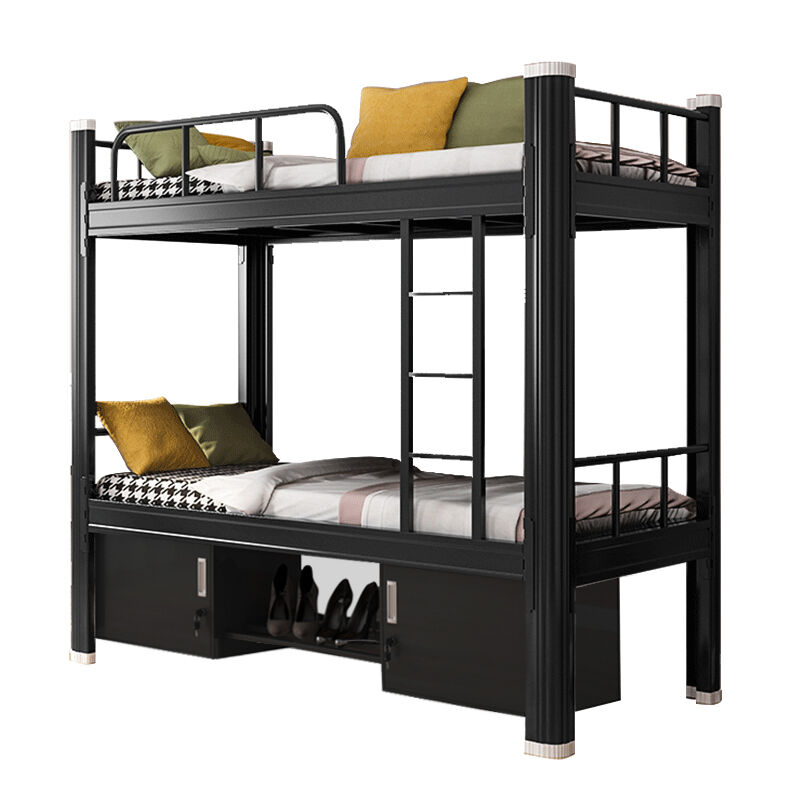
Student housing projects face unique challenges in maximizing space efficiency while maintaining functionality and comfort for residents. Administrators and developers increasingly turn to customized bunk bed solutions as a strategic response to these demands, finding that tailored sleeping arrangements offer superior space utilization compared to traditional furniture approaches. The popularity of these specialized solutions stems from their ability to address multiple operational concerns simultaneously, from optimizing room capacity to ensuring durability under heavy usage conditions.
The growing preference for customized bunk bed solutions reflects broader trends in student accommodation design, where institutions prioritize both financial efficiency and student satisfaction. These solutions provide measurable benefits in terms of space optimization, cost management, and long-term durability, making them attractive investments for housing administrators. Understanding why these specialized furniture systems have become increasingly popular requires examining the specific operational advantages they deliver in student housing environments.
Space Optimization Drives Primary Demand
Maximizing Room Capacity Without Compromising Comfort
Student housing projects operate under constant pressure to accommodate more residents within existing floor plans, making space optimization a critical design consideration. Customized bunk bed solutions enable housing administrators to effectively double the sleeping capacity of individual rooms without requiring structural modifications or room expansions. This capability proves particularly valuable in urban markets where real estate costs make expansion projects financially prohibitive.
The vertical space utilization offered by customized bunk bed solutions allows institutions to maintain adequate floor space for study areas, storage, and movement paths. Standard furniture arrangements typically consume horizontal floor area inefficiently, while properly designed bunk systems preserve valuable square footage for other essential functions. This optimization becomes especially important in smaller dormitory rooms where every square foot impacts resident comfort and functionality.
Modern customized bunk bed solutions incorporate design features that enhance perceived spaciousness even in compact environments. Strategic integration of built-in storage compartments, study surfaces, and privacy elements ensures that increased capacity does not translate to cramped living conditions. These thoughtful design approaches help institutions achieve higher occupancy rates while maintaining resident satisfaction levels.
Accommodating Diverse Room Configurations
Student housing facilities often feature irregular room shapes, ceiling heights, and architectural constraints that make standard furniture placement challenging. Customized bunk bed solutions address these limitations by offering tailored dimensions and configurations that work within specific spatial parameters. This flexibility enables housing administrators to utilize rooms that might otherwise remain underutilized or require expensive renovations.
The adaptability of customized bunk bed solutions extends to accommodating various accessibility requirements and safety regulations that govern student housing. Custom designs can incorporate features such as lower bunk access for students with mobility limitations, integrated safety railings that meet specific building codes, and spacing configurations that comply with fire safety requirements. This regulatory compliance capability reduces administrative complexity while ensuring full facility utilization.
Room configuration flexibility also supports institutions that need to adjust occupancy levels based on enrollment fluctuations or seasonal demands. Modular elements within customized bunk bed solutions allow for relatively simple reconfiguration when housing needs change, providing operational flexibility that standard furniture arrangements cannot match. This adaptability helps institutions optimize revenue generation while maintaining cost-effective operations.
Economic Benefits Drive Administrative Adoption
Reducing Per-Student Housing Costs
The financial advantages of customized bunk bed solutions extend beyond initial space optimization to create lasting economic benefits for student housing operations. By enabling higher occupancy rates within existing facilities, these solutions effectively reduce the per-student cost of providing housing services. This cost reduction capability becomes increasingly important as institutions face pressure to keep housing expenses affordable for students while maintaining operational profitability.
Investment in customized bunk bed solutions typically generates measurable returns through increased rental revenue from higher capacity utilization. Housing administrators report that the additional rental income from doubled room occupancy often recovers the initial investment in specialized furniture within two to three academic years. This relatively short payback period makes customized bunk bed solutions attractive from a capital investment perspective.
Long-term operational cost benefits include reduced facility maintenance expenses per student and improved energy efficiency through higher density occupancy. When more students occupy the same heated and cooled space, the per-capita utility costs decrease significantly. Additionally, consolidated housing arrangements reduce the overall facility footprint required for maintenance, cleaning, and security services, creating ongoing operational savings.
Minimizing Furniture Replacement and Maintenance Expenses
Student housing environments subject furniture to intensive daily use, frequent room changes, and occasional misuse, making durability a crucial economic consideration. Customized bunk bed solutions designed specifically for institutional use incorporate heavy-duty materials and reinforced construction methods that significantly extend service life compared to residential-grade alternatives. This enhanced durability translates directly into reduced replacement frequency and lower long-term furniture costs.
The integrated design approach of customized bunk bed solutions also reduces maintenance complexity by consolidating multiple furniture functions into single, well-engineered units. Rather than maintaining separate beds, desks, storage units, and safety equipment, housing staff can focus maintenance efforts on fewer, more robust systems. This consolidation reduces both labor costs and inventory requirements for replacement parts and supplies.
Quality customized bunk bed solutions often include warranty provisions and service support that provide additional financial protection against unexpected replacement or repair costs. Manufacturers specializing in institutional furniture typically offer extended warranty periods and responsive service support that help housing administrators predict and control furniture-related expenses more effectively than with consumer-grade alternatives.
Enhanced Functionality Appeals to Modern Students
Integrating Technology and Study Features
Contemporary students expect their living environments to support both academic work and personal connectivity, making functional integration a key factor in housing satisfaction. Modern customized bunk bed solutions incorporate dedicated study surfaces, integrated lighting systems, and power outlets positioned for convenient device charging and laptop use. These features eliminate the need for students to compete for limited desk space or seek study areas outside their rooms.
The integration of technology-friendly features within customized bunk bed solutions reflects changing student lifestyle patterns and academic requirements. Built-in USB charging ports, cable management systems, and dedicated spaces for personal electronics help students maintain organized, functional living spaces. This technological integration becomes increasingly important as academic programs require more digital device usage and online learning components.
Ergonomic considerations in customized bunk bed solutions ensure that integrated study areas provide comfortable, productive work environments. Properly positioned work surfaces, adequate lighting, and appropriate seating arrangements help students maintain healthy study habits within their rooms. This attention to ergonomic details contributes to both academic success and overall resident satisfaction with their housing experience.
Providing Privacy and Personal Space
Despite higher occupancy levels, well-designed customized bunk bed solutions incorporate privacy features that help students maintain personal space and comfort. Integrated curtain systems, partial privacy panels, and strategic positioning of personal storage areas enable students to create semi-private zones within shared rooms. These privacy features become especially important in helping students adjust to dormitory living and maintain positive roommate relationships.
The psychological benefits of privacy features within customized bunk bed solutions extend beyond immediate comfort to support academic performance and mental health. Students who feel they have adequate personal space and privacy are more likely to view their housing experience positively and remain enrolled in residential programs. This satisfaction correlation makes privacy-enhanced bunk solutions valuable for student retention efforts.
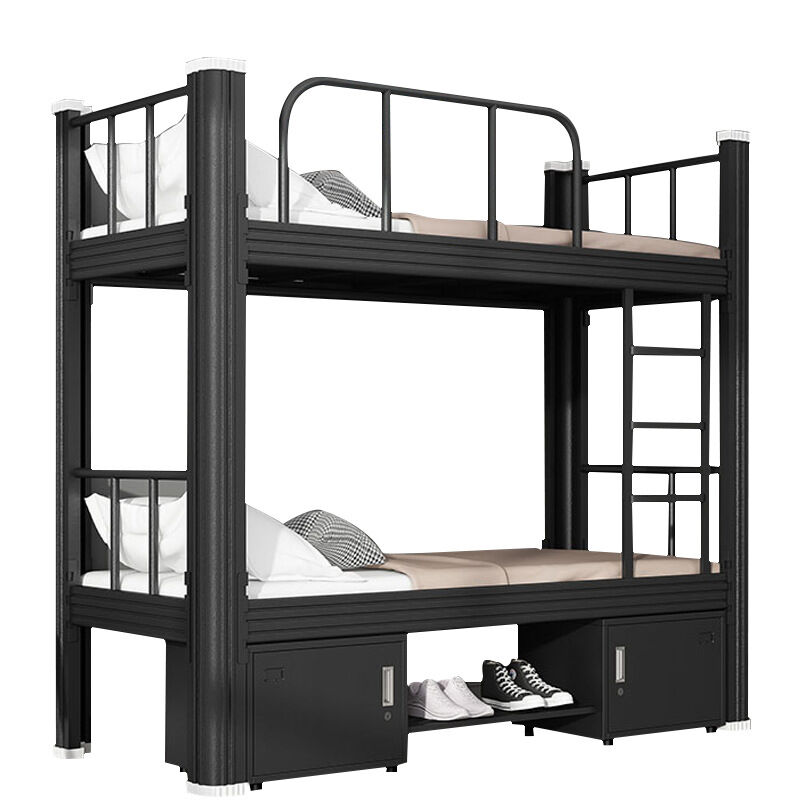
Storage integration within customized bunk bed solutions provides additional privacy benefits by enabling students to organize and secure personal belongings effectively. Built-in lockers, under-bed storage compartments, and integrated shelving systems help students maintain organized living spaces while keeping personal items secure and accessible. This storage capability reduces conflicts over shared space and contributes to positive dormitory community dynamics.
Safety and Durability Requirements Shape Design Preferences
Meeting Institutional Safety Standards
Student housing facilities must comply with stringent safety regulations that govern residential furniture, particularly elevated sleeping arrangements like bunk beds. Customized bunk bed solutions designed for institutional use incorporate safety features that meet or exceed these regulatory requirements, including appropriate guardrail heights, ladder designs, and structural load ratings. Compliance with these standards protects institutions from liability while ensuring student safety.
Fire safety considerations play a particularly important role in the design of customized bunk bed solutions for student housing applications. Materials selection, spacing requirements, and evacuation accessibility must all align with local fire codes and institutional safety policies. Custom design capabilities enable manufacturers to incorporate specific safety features required by individual facilities or regulatory jurisdictions.
Regular safety inspections and maintenance protocols for customized bunk bed solutions help institutions maintain compliance with evolving safety standards. Many manufacturers provide detailed maintenance guidelines and inspection checklists that help housing staff identify potential safety concerns before they become problems. This proactive safety management capability reduces institutional liability and ensures continued regulatory compliance.
Withstanding Heavy Usage Conditions
Student housing environments subject furniture to usage patterns significantly more intensive than typical residential applications, requiring robust construction and high-quality materials. Customized bunk bed solutions designed for institutional use incorporate heavy-gauge steel frames, reinforced joints, and commercial-grade hardware that can withstand constant daily use by multiple occupants over many years. This durability focus ensures reliable performance throughout the furniture's intended service life.
The engineering approach used in customized bunk bed solutions accounts for dynamic loading conditions, frequent assembly and disassembly, and potential misuse scenarios common in student environments. Structural testing protocols verify that these systems can handle loads well beyond normal sleeping requirements, providing safety margins that protect against unexpected stress conditions. This over-engineering approach contributes to long-term reliability and reduced maintenance requirements.
Quality control processes for customized bunk bed solutions typically include rigorous testing of welds, hardware connections, and material specifications to ensure consistent performance across production batches. This quality assurance focus helps institutions avoid the costs and disruptions associated with premature furniture failure or safety-related recalls. Reliable performance contributes directly to operational efficiency and student satisfaction.
FAQ
How do customized bunk bed solutions differ from standard retail bunk beds?
Customized bunk bed solutions for student housing feature heavy-duty construction materials, institutional-grade safety features, and tailored dimensions that accommodate specific room configurations and regulatory requirements. Unlike retail bunk beds designed for residential use, these systems incorporate commercial-grade hardware, enhanced structural support, and integrated features like study surfaces and storage that address the unique needs of student housing environments.
What is the typical lifespan of customized bunk bed solutions in student housing?
Well-constructed customized bunk bed solutions designed for institutional use typically provide 10-15 years of reliable service in student housing applications. This extended lifespan depends on proper installation, regular maintenance, and quality of initial construction. The enhanced durability compared to residential furniture makes these solutions cost-effective despite higher initial investment costs.
Can customized bunk bed solutions accommodate students with accessibility needs?
Yes, customized bunk bed solutions can incorporate various accessibility features including lower bunk heights for easier access, wider ladder designs, and integrated support features for students with mobility limitations. Custom design capabilities enable manufacturers to address specific accessibility requirements while maintaining compliance with relevant disability accommodation standards.
How do institutions typically finance customized bunk bed solutions for large housing projects?
Many institutions finance customized bunk bed solutions through capital equipment budgets, facility improvement funds, or dedicated housing revenue accounts. Some manufacturers offer institutional financing programs or lease arrangements that spread costs over multiple years. The increased rental revenue from higher occupancy often justifies the investment and may qualify for educational facility improvement funding programs.
Table of Contents
- Space Optimization Drives Primary Demand
- Economic Benefits Drive Administrative Adoption
- Enhanced Functionality Appeals to Modern Students
- Safety and Durability Requirements Shape Design Preferences
-
FAQ
- How do customized bunk bed solutions differ from standard retail bunk beds?
- What is the typical lifespan of customized bunk bed solutions in student housing?
- Can customized bunk bed solutions accommodate students with accessibility needs?
- How do institutions typically finance customized bunk bed solutions for large housing projects?