
 EN
EN
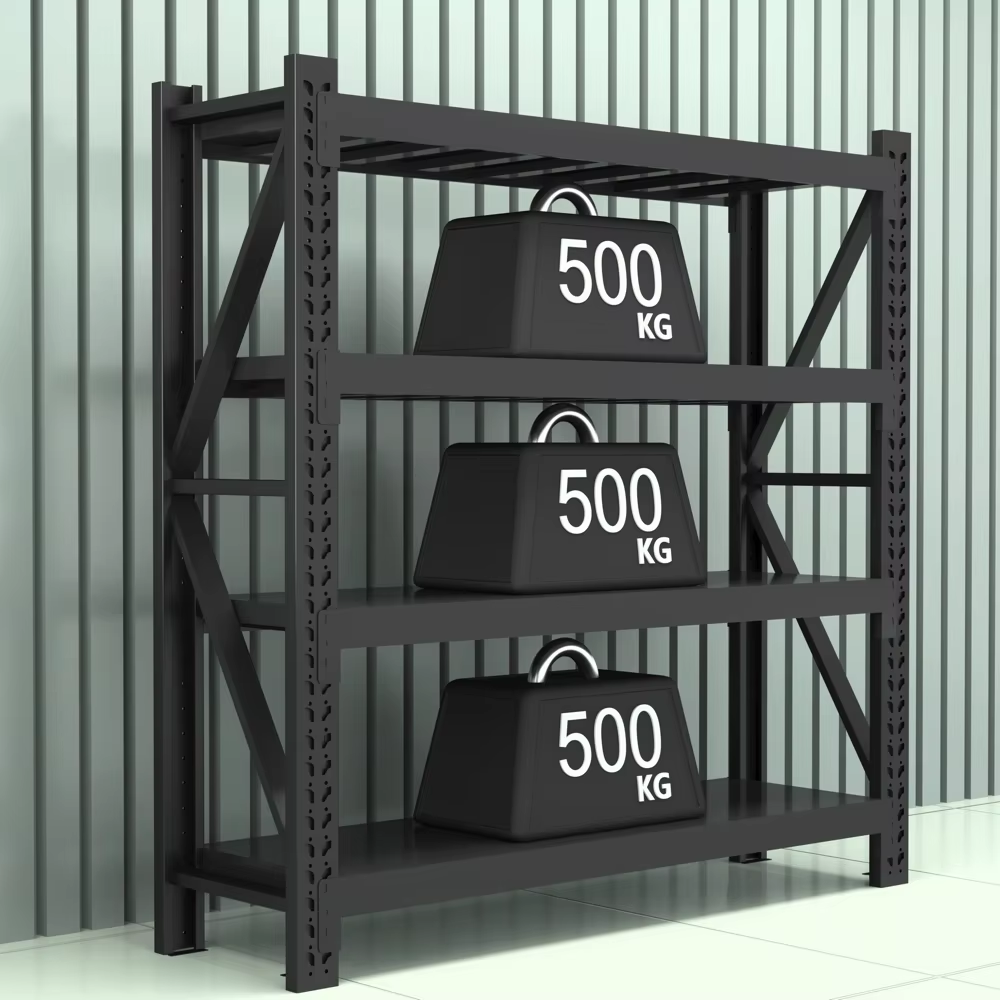
Stacking Racks have become indispensable storage solutions across a wide spectrum of industrial and commercial environments, offering unparalleled versatility in managing inventory, raw materials, and finished goods. These robust storage systems enable businesses to maximize vertical space, streamline warehouse operations, and maintain organized workspaces that enhance productivity. Understanding which industries derive the greatest value from Stacking Racks requires examining the specific operational challenges these sectors face and how modular, stackable storage addresses those pain points effectively.
The strategic implementation of Stacking Racks delivers measurable benefits including improved space utilization, reduced material handling time, enhanced inventory visibility, and scalable storage capacity that adapts to fluctuating business demands. Industries characterized by high-volume operations, diverse product portfolios, seasonal inventory fluctuations, or complex supply chain requirements find these storage systems particularly advantageous. This comprehensive analysis explores the sectors where Stacking Racks prove most valuable, examining the operational contexts, storage challenges, and specific applications that make these systems essential infrastructure investments for forward-thinking businesses.
Manufacturing and Production Facilities
Automotive Component Manufacturing
Automotive manufacturing facilities represent one of the primary beneficiaries of Stacking Racks implementation, where managing thousands of component SKUs demands efficient, organized storage solutions. These facilities handle everything from small fasteners and electrical components to larger assemblies like brake systems, suspension parts, and body panels. Stacking Racks provide the structural capacity to support heavy automotive components while enabling systematic organization that reduces retrieval time during production runs. The ability to stack units vertically maximizes floor space in facilities where real estate costs significantly impact operational budgets, allowing manufacturers to expand storage capacity without facility expansion.
The just-in-time manufacturing philosophy prevalent in automotive production requires immediate access to components as assembly lines demand them. Stacking Racks facilitate this approach by positioning materials near workstations in organized, clearly labeled configurations that minimize search time and movement. The standardized dimensions of these storage systems enable consistent material flow patterns throughout the facility, supporting lean manufacturing principles. Quality control processes also benefit from the visibility these racks provide, allowing inspectors to quickly access and examine components without extensive material handling that might cause damage or introduce contamination.
Electronics and Technology Production
Electronics manufacturing environments face unique storage challenges related to component sensitivity, static control, and precise inventory management. Stacking Racks in these facilities often incorporate specialized features such as ESD-safe coatings, clean-room compatible materials, and precise dimensional tolerances that accommodate delicate circuit boards, semiconductor components, and testing equipment. The modular nature of these systems allows manufacturers to create customized storage zones that separate raw materials from work-in-progress inventory and finished goods, maintaining the contamination control essential in electronics production.
Technology manufacturers handling rapid product lifecycles benefit from the reconfigurable nature of Stacking Racks, which can be adjusted as product lines evolve and component inventories change. The ability to quickly reorganize storage layouts without permanent infrastructure modifications supports agile manufacturing strategies. These facilities also leverage Stacking Racks for managing packaging materials, which require significant storage volume but must remain organized and accessible for efficient order fulfillment operations.
Food and Beverage Processing
Food processing facilities utilize Stacking Racks extensively for managing both raw ingredients and packaged finished products in environments where sanitation, traceability, and inventory rotation are paramount concerns. These industries require storage solutions constructed from materials that comply with food safety regulations, resist corrosion from cleaning chemicals, and facilitate thorough sanitization during regular facility maintenance. Stacking Racks designed for food industry applications typically feature open mesh designs that promote air circulation, prevent moisture accumulation, and allow visual inspection of stored items without physical handling.
The temperature-controlled environments common in food processing present additional considerations where Stacking Racks prove advantageous. These systems maintain structural integrity across temperature ranges from freezer conditions to ambient warehouse environments, supporting consistent storage capacity regardless of environmental conditions. Beverage manufacturers particularly benefit from the load-bearing capacity of industrial-grade Stacking Racks, which safely accommodate palletized liquids, glass bottles, and canned products that represent significant weight concentrations. The ability to implement first-in-first-out inventory rotation becomes simplified when products are stored in accessible, clearly organized Stacking Racks that facilitate proper stock rotation.
Distribution and Logistics Operations
Third-Party Logistics Providers
Third-party logistics companies managing inventory for multiple clients face exceptional storage complexity, requiring flexible systems that accommodate diverse product types, varying storage durations, and client-specific handling requirements. Stacking Racks provide the adaptability these operations demand, allowing warehouses to create dedicated storage zones for different clients while maintaining efficient space utilization. The ability to rapidly reconfigure storage layouts as client portfolios change represents a significant operational advantage, enabling logistics providers to onboard new customers without major infrastructure investments or extended setup periods.
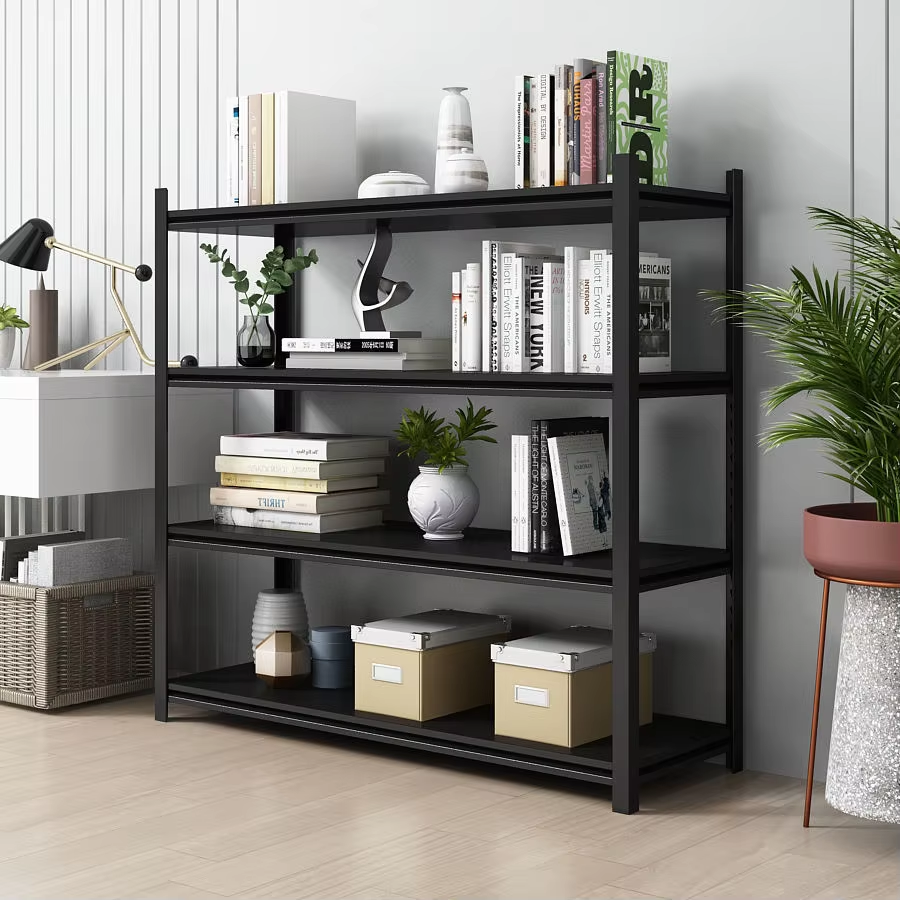
The scalability of Stacking Racks aligns perfectly with the variable capacity requirements inherent in logistics operations, where seasonal peaks and fluctuating inventory levels challenge fixed storage infrastructure. During high-volume periods, additional Stacking Racks can be deployed to expand capacity, then consolidated or relocated during slower periods to optimize space usage. This flexibility reduces the need for excess permanent infrastructure that sits underutilized during off-peak seasons, improving return on storage infrastructure investment. Logistics providers also benefit from the standardized footprints that facilitate efficient warehouse layout planning and material handling equipment operation.
E-commerce Fulfillment Centers
E-commerce fulfillment operations have driven significant innovation in warehouse storage systems, with Stacking Racks playing crucial roles in managing the diverse product assortments and rapid turnover rates characteristic of online retail. These facilities handle everything from small consumer electronics to bulky household items, requiring storage systems that accommodate varied product dimensions and weights. Stacking Racks enable fulfillment centers to create high-density storage zones for slow-moving inventory while maintaining accessible positions for fast-moving SKUs, optimizing both space utilization and picking efficiency.
The order accuracy requirements in e-commerce demand storage systems that support clear organization and minimize picking errors. Stacking Racks facilitate systematic product placement with visible labeling and logical organization patterns that reduce fulfillment mistakes. Many fulfillment operations integrate Stacking Racks with warehouse management systems that direct pickers to specific rack locations, streamlining order processing workflows. The durability of industrial Stacking Racks withstands the constant activity levels in fulfillment environments where materials move continuously throughout operational shifts.
Regional Distribution Centers
Regional distribution hubs serving retail networks or commercial accounts rely heavily on Stacking Racks to manage cross-docking operations, consolidation activities, and temporary storage during transportation transitions. These facilities prioritize material flow velocity, requiring storage systems that support rapid loading and unloading cycles without creating bottlenecks. Stacking Racks positioned in strategic dock areas enable efficient staging of inbound and outbound shipments, maintaining organized material flow even during peak activity periods when multiple trucks arrive simultaneously.
The visibility provided by open-design Stacking Racks facilitates inventory monitoring in distribution environments where materials remain in storage for limited durations before moving to final destinations. Warehouse managers can quickly assess inventory levels and identify materials awaiting shipment without physically handling goods or consulting digital systems. This visual management capability reduces administrative overhead and enables faster decision-making regarding load consolidation and shipping priorities. Distribution centers also leverage Stacking Racks for managing returnable packaging, empty pallets, and transportation equipment that requires organized storage between usage cycles.
Retail and Commercial Applications
Big-Box Retail Backrooms
Large-format retail stores utilize Stacking Racks extensively in backroom storage areas where maintaining organized overstock inventory directly impacts sales floor replenishment efficiency. These environments require storage solutions that accommodate the diverse product categories typical in general merchandise retailing, from apparel and home goods to sporting equipment and seasonal items. Stacking Racks enable retail associates to quickly locate replenishment inventory without extensive searching, reducing the time merchandise remains out of stock on sales floors where customer purchasing occurs.
The seasonal nature of retail merchandising creates fluctuating storage demands that Stacking Racks address effectively through their modular, reconfigurable design. During holiday periods or seasonal transitions, retailers can expand backroom capacity by adding Stacking Racks to accommodate increased inventory levels, then consolidate storage during off-peak periods. This flexibility prevents permanent over-investment in storage infrastructure while ensuring adequate capacity during critical selling seasons. The durability of commercial-grade Stacking Acks withstands the handling associated with frequent inventory turnover in retail environments where products move rapidly from receiving to storage to sales floor.
Wholesale Club Operations
Wholesale club retailers operating on membership models utilize Stacking Racks both on sales floors and in backend storage areas, leveraging these systems to display bulk merchandise while maintaining efficient warehouse-style shopping experiences. The high load capacity of industrial Stacking Racks supports the palletized product presentations characteristic of wholesale formats, where customers purchase case quantities or multi-unit packages. These retailers benefit from storage systems that function equally well in customer-accessible areas and restricted storage zones, maintaining consistent operational approaches throughout facilities.
The cost-conscious nature of wholesale operations aligns with the value proposition of Stacking Racks, which deliver long-term storage capacity at lower per-unit costs compared to more complex automated systems. These retailers prioritize functional efficiency over aesthetic considerations, making the utilitarian design of Stacking Racks appropriate for customer-facing applications. The ability to quickly reconfigure merchandise presentations supports the treasure-hunt shopping experience many wholesale clubs cultivate, where product assortments change regularly and merchandise displays adapt to available inventory.
Building Materials and Hardware Retailers
Retailers specializing in building materials, hardware, and home improvement products face unique storage challenges related to product weight, irregular dimensions, and exposure to outdoor conditions. Stacking Racks designed for these applications incorporate reinforced construction that safely supports heavy materials like bagged concrete, roofing supplies, and plumbing fixtures. The weather-resistant finishes applied to exterior-grade Stacking Racks enable outdoor storage yards where lumber, fencing, and landscaping materials require organized positioning that facilitates customer browsing and material retrieval.
The diverse product categories in hardware retailing benefit from the compartmentalization capabilities of Stacking Racks, which create defined storage zones for different material types. This organization simplifies inventory management in environments where thousands of SKUs span dramatically different sizes and handling requirements. Hardware retailers also utilize Stacking Racks for managing customer pickup orders, creating dedicated staging areas where assembled orders await collection. The visibility provided by open rack designs enables staff to quickly locate customer orders without searching through unmarked storage areas, improving service quality and operational efficiency.
Specialized Industrial Sectors
Pharmaceutical and Medical Device Manufacturing
Pharmaceutical manufacturing facilities implement Stacking Racks within strictly controlled environments where regulatory compliance, contamination prevention, and batch traceability drive storage system selection. These industries require storage solutions constructed from materials that comply with cleanroom standards, resist chemical interactions, and facilitate thorough documentation of material movements. Stacking Racks in pharmaceutical applications often incorporate identification systems that integrate with electronic batch records, enabling precise tracking of raw materials, intermediates, and finished products throughout production processes.
The validation requirements in pharmaceutical manufacturing demand storage systems that maintain consistent performance characteristics and cleanliness standards over extended service lives. Stacking Racks designed for these applications undergo qualification processes that document material composition, structural capacity, and cleanability to satisfy regulatory expectations. Medical device manufacturers similarly benefit from storage systems that support sterile processing requirements, with Stacking Racks enabling organized staging of components before assembly operations and secure storage of finished devices awaiting sterilization and packaging.
Aerospace and Defense Industries
Aerospace manufacturing and maintenance operations utilize Stacking Racks for managing high-value components, specialized tooling, and certified materials that require secure, organized storage with comprehensive traceability. These industries demand storage systems that protect sensitive components from damage, contamination, or unauthorized access while maintaining clear chain-of-custody documentation. Stacking Racks in aerospace applications often incorporate locking mechanisms, environmental protection features, and identification systems that support rigorous quality management systems.
The long production cycles and extensive part inventories characteristic of aerospace manufacturing benefit from storage systems that maintain organization over extended durations. Aircraft assembly programs spanning months or years require storage approaches that preserve component condition while enabling efficient retrieval as production schedules demand materials. Defense contractors managing classified materials or export-controlled items implement Stacking Racks within secured areas where access restrictions and inventory controls meet security requirements. The structural integrity of heavy-duty Stacking Racks safely supports large, costly components like engine assemblies, landing gear, and avionics packages that represent significant financial investments.
Chemical Processing and Bulk Materials
Chemical manufacturing facilities handling raw materials, intermediates, and finished products in various container formats utilize Stacking Racks designed to safely support drums, totes, and containerized materials. These applications require storage systems constructed from materials resistant to chemical exposures, with coatings and finishes that withstand corrosive environments. The containment considerations in chemical storage often necessitate Stacking Racks positioned within secondary containment areas or equipped with spill containment features that prevent environmental releases.
Bulk material processors handling aggregates, minerals, or agricultural commodities implement outdoor-grade Stacking Racks that organize materials awaiting processing or shipment. These applications prioritize durability and load capacity over aesthetic considerations, with storage systems engineered to support heavy material concentrations in challenging environmental conditions. The modular nature of Stacking Racks enables processors to expand storage capacity incrementally as material volumes increase, avoiding large capital expenditures for permanent storage structures. Industries processing seasonal commodities particularly benefit from flexible storage systems that accommodate variable inventory levels throughout annual cycles.
FAQ
What factors should industries consider when selecting Stacking Racks for their operations?
Industries should evaluate load capacity requirements based on the weight and dimensions of stored materials, ensuring selected Stacking Racks provide adequate structural support with appropriate safety factors. Environmental conditions including temperature ranges, moisture exposure, and chemical atmospheres influence material selection and finish specifications. Operational workflows determine optimal rack configurations, with consideration for material handling equipment compatibility, aisle width requirements, and access patterns. Regulatory compliance needs in sectors like food processing or pharmaceuticals may mandate specific materials, finishes, or documentation capabilities. Future scalability requirements should inform decisions, selecting systems that accommodate business growth without requiring complete replacement of storage infrastructure.
How do Stacking Racks compare to alternative storage systems in terms of cost-effectiveness?
Stacking Racks typically offer lower initial capital costs compared to automated storage and retrieval systems or permanent shelving structures, making them accessible for businesses with limited infrastructure budgets. The modular nature enables incremental capacity expansion, spreading capital expenditures over time as business needs evolve rather than requiring large upfront investments. Operational flexibility reduces costs associated with facility modifications when storage requirements change, as Stacking Racks can be reconfigured or relocated without specialized labor or permanent structural changes. Long service lives and minimal maintenance requirements contribute to favorable total cost of ownership, though specific cost advantages depend on operational contexts, material volumes, and existing facility infrastructure.
Can Stacking Racks integrate with automated material handling systems?
Modern Stacking Racks designs accommodate integration with various automated material handling technologies including automated guided vehicles, conveyor systems, and robotic picking solutions. Standardized dimensions and positioning enable automated equipment to interact predictably with stored materials, supporting lights-out operations or minimally staffed workflows. Many facilities implement hybrid approaches where Stacking Racks provide organized storage while automated systems handle material movement between locations. Integration success depends on careful planning during system design phases, ensuring rack specifications, positioning, and identification systems align with automation equipment capabilities. Industries adopting warehouse automation strategies often maintain Stacking Racks for applications where manual handling remains more cost-effective than full automation implementation.
What maintenance practices extend the service life of industrial Stacking Racks?
Regular inspections identifying structural damage, corrosion, or deteriorating finishes enable proactive repairs before minor issues compromise rack integrity or safety. Cleaning protocols removing accumulated debris, chemical residues, or moisture prevent corrosion and maintain sanitary conditions in food-grade or pharmaceutical applications. Load capacity limits must be consistently observed, avoiding overloading that causes permanent deformation or structural failure. Proper material handling practices minimize impacts from forklifts or other equipment that can damage rack components. Periodic reassessment of storage configurations ensures Stacking Racks continue meeting operational needs as business requirements evolve, with adjustments or replacements implemented when existing systems no longer provide adequate capacity or functionality.
Table of Contents
- Manufacturing and Production Facilities
- Distribution and Logistics Operations
- Retail and Commercial Applications
- Specialized Industrial Sectors
-
FAQ
- What factors should industries consider when selecting Stacking Racks for their operations?
- How do Stacking Racks compare to alternative storage systems in terms of cost-effectiveness?
- Can Stacking Racks integrate with automated material handling systems?
- What maintenance practices extend the service life of industrial Stacking Racks?