
 EN
EN
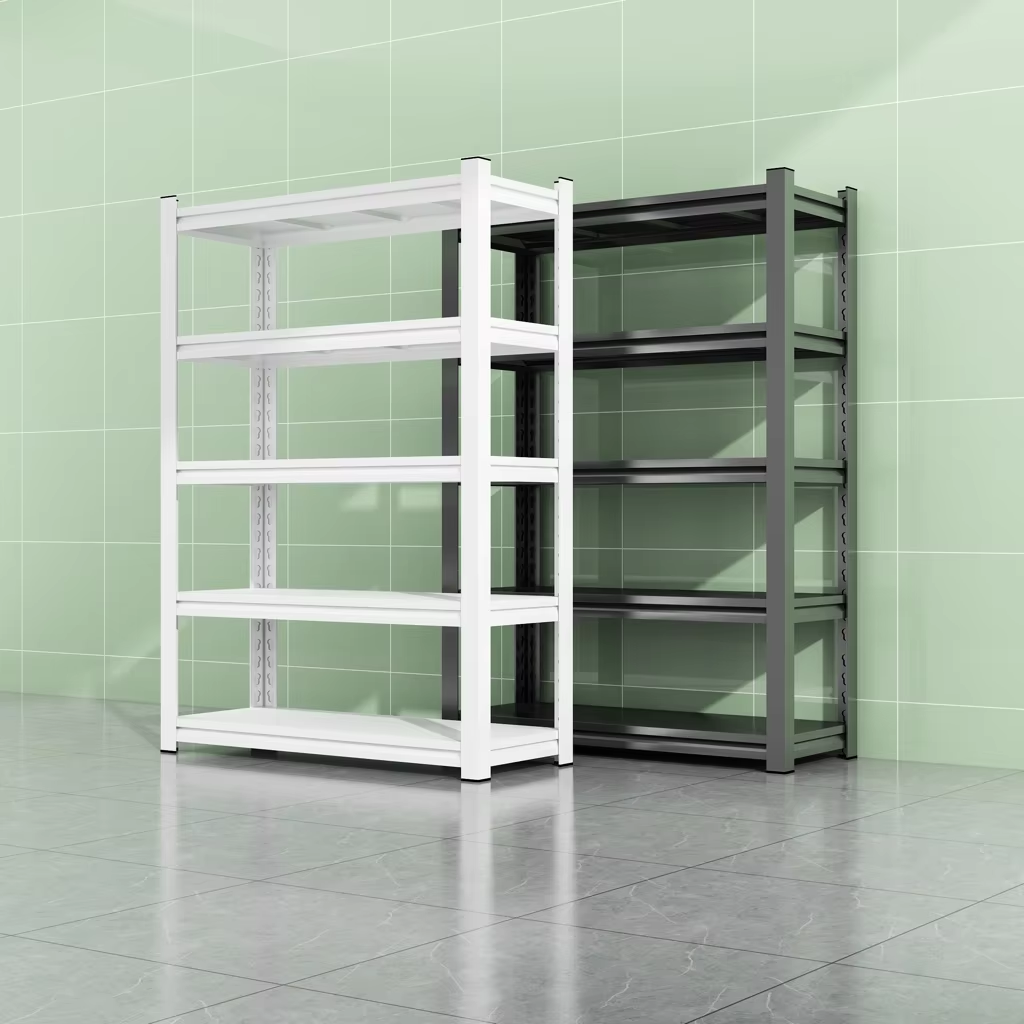
Warehouse operations face mounting pressure to accelerate order fulfillment while maintaining accuracy and safety standards. At the heart of these challenges lies the physical infrastructure that determines how efficiently workers can locate, retrieve, and prepare inventory for shipment. Understanding how warehouse shelves fundamentally reshape picking and packing workflows reveals why strategic storage design delivers measurable improvements in throughput, labor productivity, and operational precision across distribution centers of all sizes.
The connection between storage systems and fulfillment performance extends beyond simple accessibility. Properly configured warehouse shelves create systematic organization that reduces search time, minimizes walking distance, establishes visual clarity for workers, and enables standardized processes that newer employees can quickly master. These structural advantages translate directly into faster order cycle times, fewer picking errors, and smoother coordination between receiving, storage, picking, and packing stations throughout the facility.
Spatial Organization and Inventory Accessibility
Vertical Space Utilization Reduces Travel Distance
Traditional floor stacking consumes excessive horizontal space while forcing workers to navigate longer pathways between pick locations. Vertical warehouse shelves compress storage footprints by stacking inventory upward, concentrating more SKUs within smaller floor areas. This density transformation shortens the physical distance pickers must travel between consecutive items on their pick lists, directly reducing the time required to complete each order.
Multi-level shelving systems allow facilities to store fast-moving items at waist height for immediate access while positioning slower-moving inventory on upper or lower shelves. This velocity-based slotting strategy places the most frequently picked products in ergonomic zones that require minimal reaching or bending. Workers completing typical orders encounter their target items more quickly because high-demand SKUs occupy prime real estate within natural reach zones.
The vertical arrangement also enables zone-based picking strategies where specific workers handle designated shelf sections rather than traversing the entire warehouse. Zone assignments reduce congestion in high-traffic aisles and allow simultaneous order processing across multiple areas. This parallelization capability directly increases facility-wide picking capacity without expanding physical square footage or proportionally increasing labor costs.
Systematic Location Addressing Eliminates Search Time
Warehouse shelves establish fixed location identifiers that warehouse management systems can reference precisely. Each shelf position receives a unique address combining aisle, bay, level, and position coordinates. This structured addressing eliminates the ambiguity inherent in bulk floor storage where inventory locations shift constantly as workers reposition pallets and containers.
Pickers equipped with digital pick lists or RF scanners navigate directly to exact shelf coordinates rather than visually scanning broad storage areas. The precision of shelf-based addressing reduces search-related delays that accumulate across hundreds of daily picks. New warehouse staff particularly benefit from this systematic organization, achieving productive picking rates far sooner than facilities relying on experiential knowledge of loosely organized storage zones.
Integration between shelf location systems and inventory software enables real-time visibility into stock positioning. When warehouse shelves maintain consistent addressing schemes, management systems can direct pickers along optimized routes that sequence stops efficiently. This coordination between physical infrastructure and digital workflow management compounds time savings beyond what either element could achieve independently.
Visual Clarity Through Separation and Labeling
Open shelf designs with clear sightlines allow workers to visually identify target products from several feet away before reaching the exact location. This advance visibility lets pickers prepare for item retrieval while still approaching, shaving seconds from each pick that accumulate into substantial time savings across thousands of daily transactions. Contrast this with closed bins or stacked containers requiring sequential opening to verify contents.
Standardized shelf depths and heights create uniform storage presentations where similarly sized items occupy consistent positions. This regularity trains worker pattern recognition, enabling experienced pickers to locate items almost automatically based on visual cues rather than constantly referencing documentation. The cognitive load reduction prevents mental fatigue during extended picking shifts while maintaining accuracy rates.
Color-coded shelf sections, prominent aisle markers, and clear product labels mounted on warehouse shelves create layered navigation aids that guide workers through complex facilities. These visual systems function as persistent wayfinding tools that don't require electronic devices or documentation, providing reliable guidance even during system outages or equipment failures. The redundancy ensures continuous workflow maintenance under varied operational conditions.
Ergonomic Design and Worker Productivity
Optimized Reach Zones Reduce Physical Strain
Adjustable warehouse shelves enable facilities to position frequently accessed items within the golden zone between hip and shoulder height. This ergonomic optimization eliminates repetitive bending, squatting, or overhead reaching that causes worker fatigue and increases injury risk. When pickers can maintain neutral body postures throughout most transactions, they sustain higher picking rates across full shifts without experiencing performance degradation in later hours.
The reduction in physical strain directly impacts labor availability and utilization. Facilities experiencing lower injury rates maintain fuller staffing levels and avoid the productivity disruptions caused by worker absences or restrictions. The cumulative effect of ergonomic warehouse shelves extends beyond individual efficiency to affect overall facility capacity and operational consistency.
Strategic shelf height configuration also accommodates diverse workforce capabilities. Adjustable systems allow managers to reassign slower-moving inventory to less convenient shelf levels while keeping high-velocity items accessible to all workers regardless of physical stature or mobility considerations. This flexibility ensures maximum workforce utilization without compromising safety or comfort standards.
Standardized Workflows Through Consistent Infrastructure
Uniform warehouse shelves throughout a facility enable standardized picking procedures that workers can apply consistently across all zones. When shelf configurations, labeling conventions, and access methods remain constant, training requirements decrease substantially. New employees master picking protocols more rapidly because they encounter identical physical conditions regardless of which warehouse section they work in initially.
This standardization also supports flexible labor deployment. Managers can reassign workers between zones or departments without extensive retraining because the fundamental picking environment remains consistent. During peak demand periods or staffing shortages, this flexibility proves critical for maintaining service levels without compromising accuracy or safety protocols.
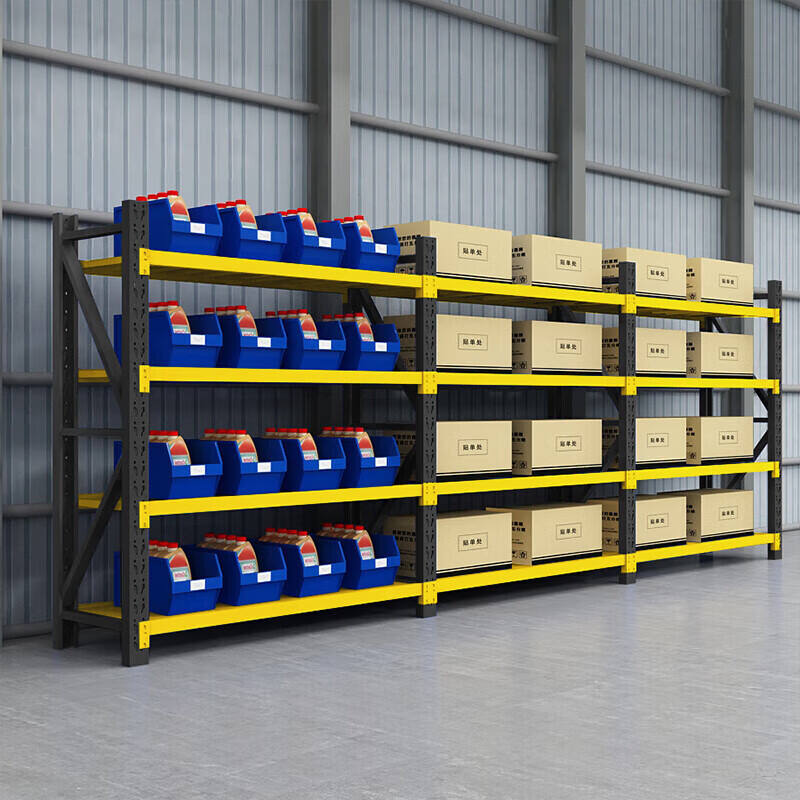
Consistent shelf infrastructure simplifies process improvement initiatives. When warehouse shelves present uniform conditions, managers can implement workflow refinements across entire facilities simultaneously rather than customizing approaches for each unique storage configuration. This scalability accelerates continuous improvement cycles and ensures best practices propagate rapidly throughout operations.
Equipment Compatibility and Mechanization Opportunities
Properly designed warehouse shelves accommodate material handling equipment that further accelerates picking workflows. Shelf depths, aisle widths, and structural clearances designed around pallet jacks, order pickers, or automated retrieval systems enable mechanized assistance that multiplies worker productivity. Manual picking from well-designed shelving already outperforms floor storage, but equipment-assisted picking from optimized shelves delivers exponential gains.
The stability and load-bearing capacity of industrial warehouse shelves support heavier inventory concentrations that would be impractical in temporary or improvised storage configurations. This structural reliability allows fuller utilization of cubic space without safety concerns, effectively increasing storage density and reducing the distances between picking locations. Higher density storage means more picks per linear foot traveled.
Future automation integration becomes feasible when facilities establish warehouse shelves with standardized dimensions and consistent positioning. Facilities planning eventual implementation of robotic picking systems or automated storage and retrieval solutions benefit from shelf infrastructure that accommodates both current manual operations and future technological upgrades. This forward compatibility protects infrastructure investments while supporting operational evolution.
Inventory Management and Order Accuracy
SKU Segregation Prevents Cross-Contamination
Dedicated shelf positions for individual SKUs eliminate the mixing errors common in bulk storage where similar products become intermingled. Physical separation provided by warehouse shelves creates clear boundaries between items, making it immediately obvious when products are misplaced or when workers reach for incorrect inventory. This visual validation occurs naturally during the picking process without requiring additional verification steps.
The prevention of SKU mixing at the storage level cascades through the entire fulfillment chain. When pickers retrieve inventory from clearly segregated shelf locations, the items entering packing stations already reflect higher accuracy rates. Packers spend less time performing quality checks or resolving discrepancies, allowing them to process more orders within their shifts. The compounding effect of upstream accuracy improvements substantially boosts downstream productivity.
Shelf-based segregation also simplifies inventory cycle counting and quality audits. Auditors can verify specific SKU quantities by checking discrete shelf locations rather than sorting through mixed bulk storage. This efficiency makes frequent inventory verification practical, enabling facilities to maintain tighter accuracy standards and identify discrepancies before they affect customer orders.
First-In-First-Out Rotation Support
Flow-through warehouse shelves with rear loading and front picking naturally enforce first-in-first-out rotation for products with expiration dates or quality degradation concerns. Gravity-fed designs ensure older inventory automatically advances to picking positions as workers deplete front-row stock. This mechanical rotation eliminates the manual discipline required to maintain proper stock rotation in static storage configurations.
Even standard static warehouse shelves facilitate rotation when designed with adequate depth for multiple rows per SKU. Workers can place new receipts behind existing inventory, and pickers naturally draw from the front positions. The visual transparency of open shelving makes rotation compliance easy to verify during routine operations, and managers can quickly identify locations where rotation discipline has lapsed.
Proper rotation reduces waste from expired or obsolete inventory while ensuring customers receive products with maximum remaining shelf life. These quality improvements enhance customer satisfaction and reduce return rates, indirectly benefiting packing workflows by decreasing the volume of return processing that competes for labor resources with forward order fulfillment.
Real-Time Inventory Visibility Integration
Fixed warehouse shelves with permanent location addressing enable accurate perpetual inventory systems that track stock movements in real time. Each transaction—receipt, putaway, pick, or adjustment—references specific shelf locations, creating detailed audit trails that maintain system accuracy. This precision allows facilities to operate with lower safety stock levels because they can trust inventory data for replenishment planning and allocation decisions.
Accurate inventory visibility directly impacts picking efficiency by preventing wasted trips to empty locations. When warehouse management systems reflect true on-hand quantities at specific shelf positions, pick lists only direct workers to locations with adequate stock. The elimination of null picks maintains workflow momentum and prevents the disruptions associated with substitution decisions or stock-out communication protocols.
Integration between shelf location systems and order management platforms enables advanced allocation logic that assigns picks to optimal locations based on current inventory positioning. Systems can direct pickers to partial cartons on active picking shelves rather than requiring case breaks from reserve storage, or route urgent orders to locations closest to packing stations. These intelligent optimizations multiply the baseline efficiency gains provided by basic shelf organization.
Packing Station Integration and Material Flow
Staging Areas and Pre-Packing Organization
Warehouse shelves positioned adjacent to packing stations serve as short-term staging areas where picked items await consolidation. Dedicated staging shelves organized by order number or packing priority allow facilities to batch-pick multiple orders simultaneously while maintaining clear separation between customers. This batching approach maximizes picking density—workers gather many items in fewer trips—while staging shelves prevent the order mixing that would otherwise result from consolidated picking.
The physical buffer created by staging warehouse shelves decouples picking pace from packing pace, allowing each function to optimize independently. Pickers can work ahead during slower packing periods, building inventory on staging shelves that packers draw down during peak processing times. This buffering smooths workflow variations and prevents either function from idling while waiting for the other to catch up.
Staging shelves also support quality control checkpoints where supervisors can verify pick accuracy before items reach packing stations. This interception point catches errors while they're still easy to correct, preventing defective orders from consuming packing labor and shipping costs. The spatial separation between picking and packing zones provided by intermediate shelving creates natural quality gates without disrupting primary workflows.
Packing Supply Organization and Accessibility
Dedicated warehouse shelves within packing areas organize boxes, dunnage, tape, labels, and other consumable supplies in consistent, accessible locations. This organization eliminates the time packers waste searching for materials or walking to distant supply closets. When every packing station features identically organized supply shelves, workers can locate needed materials reflexively without conscious thought, maintaining focus on primary packing tasks.
Standardized supply shelving also simplifies inventory management for packing materials. Supervisors can visually assess supply levels during routine floor walks and proactively replenish before stockouts disrupt operations. The transparency of open warehouse shelves makes supply chain visibility immediate and actionable without requiring electronic monitoring systems or formal inventory counts.
Strategic positioning of supply shelves minimizes packer movement within workstations. Ergonomic placement of frequently used materials on shelves directly beside packing tables reduces reaching distances and supports efficient motion patterns. This micro-optimization of workstation layout compounds across hundreds of daily packing transactions, generating measurable throughput improvements from seemingly minor adjustments.
Completed Order Sortation and Shipping Staging
Warehouse shelves in shipping areas provide organized staging for packed orders awaiting carrier pickup. Shelving systems organized by carrier, service level, or destination zone prevent the congestion and confusion that occurs when completed orders accumulate in unsorted floor stacks. Clear shelf-based organization enables shipping personnel to quickly locate specific orders for loading without searching through mixed pallet stacks or container groups.
The vertical storage capacity of shipping area warehouse shelves accommodates order volume fluctuations without consuming excessive floor space. During peak shipping periods, facilities can stage multiple carrier loads on shelving systems that would require vast floor areas if orders were stored horizontally. This space efficiency maintains clear traffic lanes for forklifts and pallet jacks, preventing the congestion that slows final-mile loading operations.
Organized shipping shelves also support wave-based fulfillment strategies where facilities complete orders in coordinated groups aligned with carrier pickup schedules. Orders for specific carriers or routes accumulate on designated shelf sections, and shipping staff can efficiently load complete waves without sorting through mixed inventory. This systematic approach to shipping coordination represents the final link in the efficiency chain that begins with organized picking from upstream warehouse shelves.
Scalability and Operational Flexibility
Modular Expansion Supporting Growth
Modular warehouse shelves enable incremental capacity expansion as business volumes grow. Facilities can add shelf sections, extend existing rows, or increase vertical tiers without redesigning entire storage layouts. This modularity allows operations to scale storage capacity in direct proportion to inventory growth, avoiding the feast-or-famine cycle of facilities that must choose between cramped conditions and excessive unused space.
The financial flexibility of modular shelving systems reduces capital barriers to expansion. Rather than requiring massive upfront investments in fixed infrastructure, facilities can purchase and install warehouse shelves progressively as revenue justifies expansion. This pay-as-you-grow model aligns capital expenditures with business performance while maintaining operational efficiency throughout growth phases.
Standardized shelf components also simplify future reconfigurations. As product mixes evolve or operational strategies change, facilities can relocate, recombine, or repurpose existing warehouse shelves rather than discarding obsolete fixed infrastructure. This adaptability protects infrastructure investments and supports continuous operational optimization without recurring major capital outlays.
Seasonal and Promotional Inventory Management
Reconfigurable warehouse shelves accommodate the dramatic inventory fluctuations associated with seasonal businesses or promotional campaigns. Facilities can temporarily install additional shelf tiers, adjust shelf spacing for different product dimensions, or dedicate entire sections to limited-time inventory without permanent facility modifications. This flexibility allows operations to absorb seasonal volume spikes without compromising efficiency during slower periods.
The quick-change capability of adjustable shelving systems enables rapid transitions between seasonal product assortments. Retail distribution centers supporting multiple selling seasons can reconfigure picking zones to match current product mixes, ensuring fast-moving seasonal items occupy prime picking locations during their relevant periods. This dynamic slotting optimization maintains consistent picking efficiency despite constantly changing product portfolios.
Temporary shelf installations also support special project workflows that exist outside regular operations. Facilities handling product recalls, return processing surges, or special promotional packaging can establish dedicated warehouse shelves for these activities without disrupting core fulfillment operations. The spatial organization and workflow structure provided by temporary shelving brings efficiency to exceptional activities that might otherwise create chaos in regular storage areas.
Multi-Channel Fulfillment Support
Facilities serving both wholesale and direct-to-consumer channels can use warehouse shelves to organize inventory by fulfillment stream. Dedicated sections for retail store replenishment, bulk B2B orders, and individual consumer orders allow specialized picking workflows optimized for each channel's unique requirements. This channel segregation prevents workflow conflicts where different order types with incompatible processing methods compete for shared resources.
The physical separation provided by channel-specific warehouse shelves also supports differentiated service levels and accuracy requirements. High-value or time-sensitive channels can receive premium shelf locations and dedicated labor resources, while standard channels operate from separate areas with appropriate service parameters. This segmentation allows facilities to optimize resource allocation across diverse customer requirements without forcing uniform treatment of inherently different order types.
Flexible shelf configurations also enable facilities to shift capacity between channels as demand patterns fluctuate. During periods when consumer orders surge while wholesale volumes decline, managers can reallocate shelf space and labor resources accordingly. This dynamic capacity management maximizes facility utilization across varying demand scenarios, preventing underutilized resources in one channel while another experiences capacity constraints.
FAQ
How much can warehouse shelves reduce picking time compared to floor storage?
Properly implemented warehouse shelves typically reduce picking time by thirty to fifty percent compared to floor storage by minimizing travel distances, eliminating search time through systematic organization, and enabling ergonomic access to inventory. The exact improvement depends on facility layout, product characteristics, and implementation quality, but even basic shelving installations deliver measurable gains. Facilities transitioning from disorganized floor storage to organized shelving often report doubled picking productivity alongside improved accuracy.
What shelf height configuration works best for order picking operations?
Optimal shelf height depends on product dimensions and picking methods, but most facilities achieve best results positioning fast-moving items between hip and shoulder height where workers can access inventory without bending or stretching. Reserve storage and slow-moving SKUs can occupy higher or lower shelves accessed less frequently. Adjustable warehouse shelves provide flexibility to optimize heights for specific product mixes and worker populations, with typical configurations ranging from four to eight shelf levels depending on ceiling heights and equipment capabilities.
Can warehouse shelves integrate with automated picking systems?
Modern warehouse shelves designed with standardized dimensions and consistent positioning integrate effectively with various automation technologies including pick-to-light systems, autonomous mobile robots, and goods-to-person equipment. The key requirement is maintaining uniform shelf configurations that automated systems can reliably navigate and interface with. Facilities planning future automation should implement shelving with adequate aisle widths, structural capacity for equipment attachment points, and dimensional consistency that supports robotic interaction. Many operations successfully blend manual picking from shelving with partial automation, allowing incremental technology adoption.
How do warehouse shelves affect packing station productivity specifically?
Warehouse shelves improve packing productivity indirectly through better picked order quality and directly through organized staging and supply management. Staging shelves near packing stations allow batch-picked orders to await processing in organized queues, preventing order mixing and enabling flexible work rates. Supply shelves within packing zones reduce material retrieval time and ensure consumables remain accessible. The combination of accurate picks arriving from organized upstream shelving and well-organized packing support infrastructure typically increases packing throughput by twenty to thirty percent while reducing packaging errors.