
 EN
EN
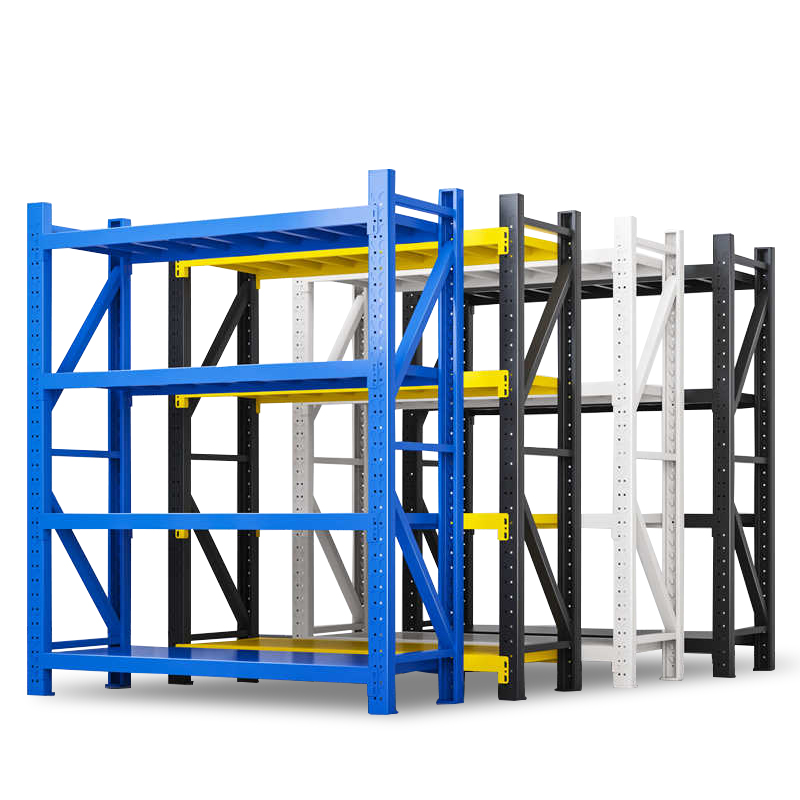
Industrial buildings face constant pressure to maximize storage capacity while maintaining operational efficiency and accessibility. Space optimization through strategic use of warehouse shelves has become a critical factor in reducing overhead costs, improving inventory management, and supporting scalable business growth. Whether managing a manufacturing facility, distribution center, or commercial storage operation, understanding how to leverage warehouse shelving systems effectively can transform underutilized vertical and horizontal space into valuable storage real estate that directly impacts profitability and workflow performance.
Optimizing space with warehouse shelves requires a systematic approach that considers building dimensions, load requirements, material flow patterns, and future scalability needs. Industrial facilities that implement structured shelving strategies typically achieve 30-50% increases in storage density compared to floor-stacking methods, while simultaneously improving safety standards and inventory accuracy. This comprehensive guide explores proven methodologies for maximizing spatial efficiency through intelligent warehouse shelf deployment, configuration strategies, and operational integration techniques that align with modern industrial storage demands.
Assessing Your Industrial Building's Spatial Characteristics
Measuring Vertical Clearance and Load-Bearing Capacity
Before implementing warehouse shelves, conducting a thorough structural assessment of your industrial building establishes the foundation for effective space optimization. Vertical clearance measurements determine maximum shelf height potential, accounting for overhead obstacles such as HVAC systems, lighting fixtures, sprinkler networks, and electrical conduits. Most industrial buildings offer 20-40 feet of usable vertical space, yet facilities commonly utilize only the lower 8-12 feet, leaving substantial storage capacity unexploited. Documenting exact ceiling heights across different zones enables strategic placement of tall shelving units in areas with maximum clearance while reserving lower-ceiling sections for equipment or workstations.
Floor load capacity analysis ensures warehouse shelves can safely support intended inventory weights without compromising structural integrity. Industrial concrete floors typically support 250-500 pounds per square foot, but older facilities or mezzanine levels may have lower ratings requiring careful consideration. Engaging structural engineers to evaluate load distribution patterns prevents costly foundation damage and ensures compliance with building codes. This assessment directly influences shelf unit selection, determining whether heavy-duty steel racks, lighter shelving systems, or specialized pallet racking configurations best match your building's capabilities while maximizing storage density within safe operational parameters.
Mapping Traffic Flow and Operational Zones
Spatial optimization with warehouse shelves depends heavily on understanding material movement patterns throughout your industrial facility. Mapping primary traffic corridors, receiving zones, staging areas, and shipping docks reveals high-activity pathways that require wider clearances and accessible shelf placement. Facilities implementing activity-based zoning typically designate fast-moving inventory locations near shipping areas, reducing picker travel time by 25-40% compared to randomized storage layouts. Analyzing order fulfillment data identifies which products require frequent access, informing strategic shelf placement that minimizes congestion and maximizes operational velocity.
Aisle width calculations balance accessibility requirements against storage density objectives when configuring warehouse shelves. Standard forklift operations require 10-12 feet of aisle width, while narrow-aisle forklifts operate effectively in 6-8 feet clearances, and manual order picking functions efficiently with 3-4 feet between shelf units. Each aisle width reduction translates to approximately 15-20% storage capacity increases, making equipment selection a critical factor in space optimization strategies. Facilities serving diverse operational needs often implement mixed aisle configurations, with wider pathways in high-traffic zones and narrower aisles in slow-moving inventory sections, creating a balanced approach that maximizes both storage density and operational efficiency.
Selecting Appropriate Warehouse Shelving Systems
Evaluating Heavy-Duty Steel Rack Configurations
Heavy-duty steel warehouse shelves represent the most versatile solution for industrial space optimization, offering adjustable configurations that adapt to changing inventory profiles and operational requirements. These robust systems typically support 1,000-4,000 pounds per shelf level, accommodating everything from small component storage to bulk material handling. The adjustable nature of quality steel racks allows vertical spacing modifications in 1-2 inch increments, ensuring efficient space utilization regardless of product dimensions. Industrial facilities handling diverse inventory benefit significantly from this flexibility, avoiding the wasted vertical space that occurs with fixed-height shelving systems designed for specific product types.
When implementing warehouse shelves with heavy-duty steel construction, consider modular expansion capabilities that support facility growth without requiring complete system replacement. Quality steel rack systems feature standardized components enabling seamless integration of additional units as storage needs evolve. This scalability proves particularly valuable for growing industrial operations, where initial conservative installations can expand systematically to match business development. Selecting shelving systems with proven durability and widely available replacement parts ensures long-term operational continuity while protecting capital investment in storage infrastructure.
Comparing Specialized Shelving Solutions
Beyond standard warehouse shelves, specialized systems address specific industrial storage challenges that standard configurations cannot efficiently solve. Cantilever racking excels for long, unwieldy materials such as pipes, lumber, or steel bars, utilizing horizontal arms extending from vertical columns to eliminate front-column obstructions that complicate loading and retrieval. Drive-in and drive-through pallet systems maximize density for homogeneous inventory stored in bulk quantities, achieving storage densities 60-75% higher than selective pallet racking by eliminating multiple aisle requirements. Mobile shelving systems mounted on track-guided carriages compress storage into a single access aisle, doubling storage capacity in space-constrained facilities willing to accept slightly reduced access speed.
Mezzanine shelving platforms create entirely new storage levels within existing industrial buildings, effectively doubling or tripling usable floor space without facility expansion. These elevated structures utilize otherwise wasted vertical clearance, supporting warehouse shelves, workstations, or specialized equipment on engineered platforms accessed via staircases or material lifts. Facilities with 20+ feet of ceiling height find mezzanine solutions particularly effective, transforming cubic footage into productive storage capacity. The investment analysis for specialized warehouse shelves should consider both immediate storage gains and long-term operational flexibility, ensuring selected systems align with strategic business objectives rather than providing short-term capacity relief that constrains future operational evolution.
Implementing Vertical Storage Maximization Strategies
Designing Multi-Level Shelf Configurations
Vertical space utilization represents the single most impactful strategy for optimizing industrial storage capacity using warehouse shelves. Most facilities dramatically underutilize available height, storing inventory only at ergonomic reach levels while leaving upper zones empty or poorly organized. Implementing floor-to-ceiling warehouse shelves with 5-8 shelf levels captures this wasted vertical capacity, increasing storage density by 200-400% compared to single-level floor stacking. The key to successful vertical optimization involves matching shelf level accessibility with inventory turnover rates, positioning fast-moving items at waist-to-shoulder height while relegating slow-moving stock to upper and lower extremes requiring mechanical assistance for access.
Vertical warehouse shelves require complementary material handling equipment to maintain operational efficiency and safety standards. Order picker lifts, reach trucks, and articulating forklifts enable workers to access upper shelf levels safely and efficiently, preventing the access bottlenecks that undermine vertical storage benefits. Facilities implementing tall warehouse shelves without appropriate handling equipment typically experience 40-60% productivity losses as workers struggle with ladders, unsafe climbing, or time-consuming equipment sharing. Integrated planning that coordinates shelf height specifications with available material handling capabilities ensures vertical optimization delivers actual operational improvements rather than creating new accessibility challenges that reduce overall facility performance.
Optimizing Shelf Spacing and Load Distribution
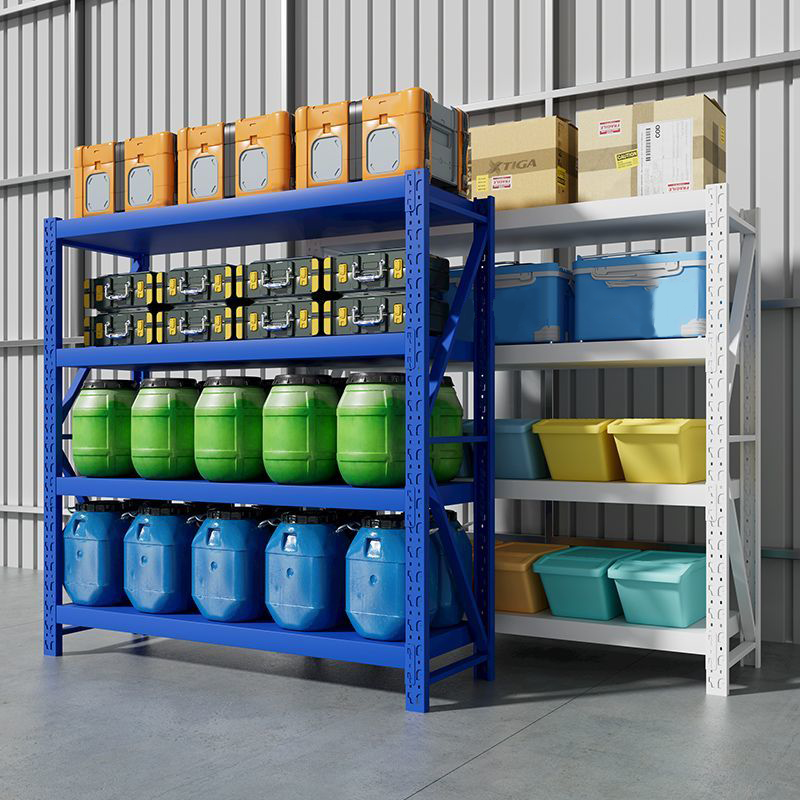
Precise shelf spacing adjustments on warehouse shelves prevent the vertical space waste that occurs when uniform spacing exceeds actual product height requirements. Quality adjustable shelving systems allow customization of each level's vertical position, creating tight configurations that minimize empty space above stored items. A systematic approach involves grouping inventory by height categories, then configuring warehouse shelves with spacing that provides 2-4 inches of clearance above the tallest items in each zone. This method typically recovers 15-25% additional storage capacity compared to standardized spacing approaches, translating to significant space optimization gains across large industrial facilities.
Load distribution planning ensures warehouse shelves operate at maximum safe capacity while maintaining structural integrity throughout their service life. Heavier items should occupy lower shelf levels, creating a low center of gravity that enhances stability while reducing toppling risks during seismic events or accidental impacts. Distributing weight across multiple shelf levels prevents overloading individual sections, extending equipment lifespan and reducing maintenance requirements. Industrial facilities implementing systematic load management protocols for their warehouse shelves typically achieve 30-40% longer equipment service lives compared to operations with uncontrolled loading patterns, improving return on storage infrastructure investments while maintaining consistent safety standards.
Integrating Warehouse Shelves with Inventory Management Systems
Implementing Location-Based Storage Strategies
Effective space optimization with warehouse shelves extends beyond physical installation to encompass systematic inventory organization that maximizes accessibility and retrieval efficiency. Location-based storage systems assign fixed positions to specific products or product categories, enabling workers to memorize high-frequency item locations and reducing search time by 50-70% compared to random storage approaches. This methodology works particularly well with clearly labeled warehouse shelves organized by logical categories such as product families, customer segments, or manufacturing processes. The predictability of fixed-location systems reduces training requirements for new staff while improving order accuracy and reducing mis-picks that generate costly returns and customer dissatisfaction.
Zone-based picking strategies divide warehouse shelves into distinct areas serviced by dedicated workers, reducing travel distance and picker interference in high-volume operations. Rather than having individual workers traverse the entire facility for each order, zone picking assigns responsibility for specific shelf sections, with orders passing sequentially through zones or being consolidated at packing stations. Facilities implementing zone-based approaches with properly configured warehouse shelves typically achieve 30-50% productivity improvements while reducing worker fatigue and injury rates associated with excessive walking. The effectiveness of zone strategies depends on balanced workload distribution, requiring periodic analysis and shelf reconfiguration to maintain optimal performance as product mix and order profiles evolve.
Leveraging Technology for Dynamic Slotting
Advanced warehouse management systems enable dynamic slotting optimization that continuously adjusts product placement on warehouse shelves based on real-time demand patterns and seasonal fluctuations. Unlike static location strategies, dynamic slotting algorithms analyze order history, product velocity, and dimensional characteristics to recommend optimal shelf positions that minimize picker travel distance and handling time. Facilities implementing WMS-driven slotting for their warehouse shelves typically achieve 20-35% productivity improvements compared to manual organization methods, with the benefits compounding over time as systems learn from operational data and refine recommendations.
Radio-frequency identification and barcode systems integrated with warehouse shelves create real-time inventory visibility that supports accurate space utilization analysis and replenishment planning. Scanning technology deployed at shelf locations tracks product movement, enabling precise inventory accuracy that eliminates the safety stock buffers facilities maintain to compensate for counting errors. This improved accuracy allows tighter inventory management, reducing overall storage requirements by 15-25% and creating available shelf capacity for business growth without facility expansion. The combination of physical warehouse shelves optimization and digital inventory management creates synergistic effects that substantially exceed the benefits of either approach implemented independently.
Maintaining Safety and Compliance Standards
Establishing Load Capacity and Inspection Protocols
Safety considerations form a non-negotiable foundation for space optimization using warehouse shelves, as overloaded or damaged systems pose severe injury risks and potential legal liability. Every shelf unit should display clear load capacity ratings prominently visible to workers, preventing accidental overloading that compromises structural integrity. Industrial facilities should implement monthly visual inspections of warehouse shelves checking for bent frames, damaged uprights, missing safety clips, and uneven loading conditions that indicate potential failures. Systematic inspection protocols identify developing problems before catastrophic failures occur, protecting both personnel and inventory while extending equipment service life through timely corrective maintenance.
Formal training programs ensure workers understand proper loading techniques, weight distribution principles, and hazard recognition related to warehouse shelves. Training should cover maximum load capacities, proper placement of heavier items on lower shelves, the importance of evenly distributing weight across shelf surfaces, and procedures for reporting damaged equipment. Facilities with comprehensive warehouse shelves safety training experience 60-80% fewer storage-related incidents compared to operations relying on informal knowledge transfer. Regular refresher sessions and new employee orientations maintain safety awareness as workforce composition changes, creating a culture where proper shelving practices become standard operating procedure rather than discretionary behavior.
Ensuring Regulatory Compliance and Industry Standards
Industrial warehouse shelves must comply with various regulatory frameworks including OSHA requirements, local building codes, and industry-specific standards that govern storage practices. OSHA mandates specific aisle widths, clearances from fire suppression systems, and structural stability requirements that directly impact shelf configuration options. Facilities operating in regulated industries such as food processing, pharmaceuticals, or hazardous materials handling face additional requirements regarding shelf materials, cleanliness standards, and documentation protocols. Proactive compliance management during the warehouse shelves planning phase prevents costly retrofits and operational disruptions that occur when post-installation inspections reveal violations requiring corrective action.
Seismic considerations affect warehouse shelves installation in regions prone to earthquake activity, requiring specialized anchoring, frame bracing, and spacing provisions that prevent collapse during seismic events. Building codes in seismically active areas often mandate engineering certification for tall or heavily loaded shelving systems, adding project complexity but ensuring life safety during natural disasters. Understanding regional compliance requirements before purchasing warehouse shelves prevents selection of equipment incompatible with local regulations, avoiding the significant expenses associated with replacing non-compliant systems. Engaging qualified storage system engineers during planning phases ensures installations meet all applicable standards while maximizing permitted storage density within regulatory constraints.
FAQ
What is the typical cost difference between basic and heavy-duty warehouse shelves for industrial applications?
Basic light-duty warehouse shelves suitable for small parts and boxed goods typically cost between $150-400 per unit, while industrial heavy-duty steel racks capable of supporting 2,000-4,000 pounds per level range from $400-1,200 per unit depending on dimensions and load capacity. The higher initial investment in heavy-duty systems delivers substantially better long-term value for industrial applications through extended service life, greater load flexibility, and reduced replacement frequency. When calculating total cost of ownership, quality warehouse shelves with 15-20 year service lives cost significantly less per year than budget alternatives requiring replacement every 5-7 years, particularly when factoring in installation labor and operational disruption associated with system changeouts.
How do I determine the optimal aisle width between warehouse shelves for my specific operation?
Optimal aisle width depends primarily on your material handling equipment and operational workflow requirements. Manual order picking operations function efficiently with 36-48 inch aisles between warehouse shelves, while standard counterbalance forklifts require 10-12 feet of clearance for safe maneuvering. Narrow-aisle forklifts reduce this requirement to 6-8 feet, and specialized very-narrow-aisle equipment operates in 5-6 feet spaces, each reduction capturing approximately 15-20% additional storage capacity. The decision should balance storage density goals against equipment costs, operational speed requirements, and worker safety considerations, with many facilities implementing mixed aisle widths that use narrower spacing in low-traffic storage zones while maintaining wider pathways in high-activity picking and staging areas.
Can existing warehouse shelves be reconfigured or expanded as storage needs change?
Quality modular warehouse shelves systems offer substantial reconfiguration flexibility, with adjustable shelf heights, expandable frame structures, and interchangeable components that adapt to evolving storage requirements. Individual shelf levels can be repositioned in small vertical increments to accommodate different product dimensions, while additional bay sections connect to existing installations using shared uprights that reduce expansion costs. However, reconfiguration capabilities vary significantly by manufacturer and product line, making it essential to select warehouse shelves with documented expansion compatibility and readily available components during initial purchase. Facilities anticipating significant growth or changing inventory profiles should prioritize systems from established manufacturers with comprehensive product lines and long-term component availability commitments, ensuring future modifications remain practical and cost-effective rather than requiring complete system replacement.
What safety features should I prioritize when selecting warehouse shelves for high-volume industrial operations?
Essential safety features for industrial warehouse shelves include robust frame construction with welded or bolted connections that prevent structural failure under maximum rated loads, safety clips or locking pins that secure shelf levels and prevent accidental dislodgement, and column protectors that shield uprights from forklift impact damage. High-quality systems incorporate visible load capacity markings on each unit, safety decking or wire mesh that prevents items from falling through shelf levels, and anchor points for securing units to floor or wall surfaces in seismic regions. Additional considerations include rounded edges that reduce injury risk during material handling, powder-coat finishes that resist corrosion in harsh industrial environments, and compatibility with safety netting or backing panels that contain stored items and prevent rear-side falls in back-to-back configurations.
Table of Contents
- Assessing Your Industrial Building's Spatial Characteristics
- Selecting Appropriate Warehouse Shelving Systems
- Implementing Vertical Storage Maximization Strategies
- Integrating Warehouse Shelves with Inventory Management Systems
- Maintaining Safety and Compliance Standards
-
FAQ
- What is the typical cost difference between basic and heavy-duty warehouse shelves for industrial applications?
- How do I determine the optimal aisle width between warehouse shelves for my specific operation?
- Can existing warehouse shelves be reconfigured or expanded as storage needs change?
- What safety features should I prioritize when selecting warehouse shelves for high-volume industrial operations?