
 EN
EN
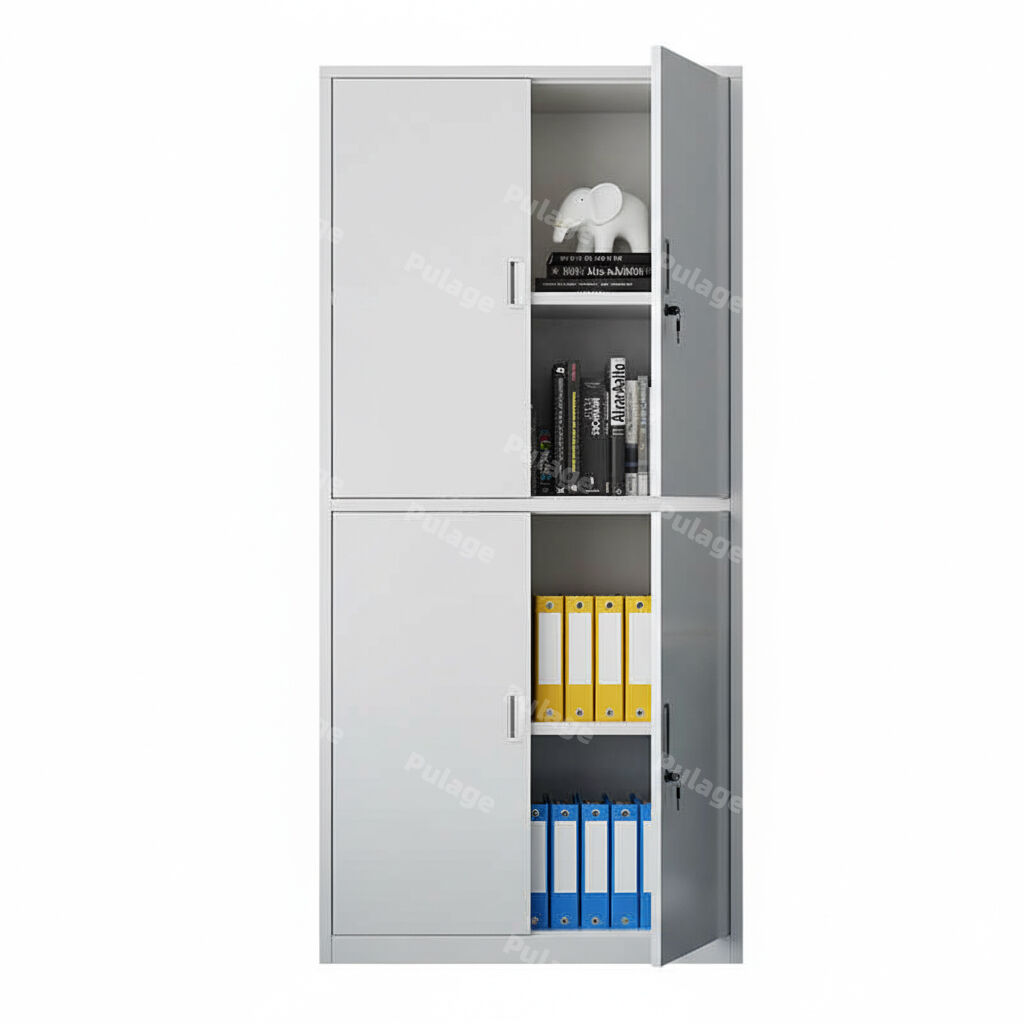
Engineering Excellence: The Strict Standards Behind Pulage Steel Filing Cabinets
As a trusted manufacturer in office storage industry, Pulage understands that quality of a steel filing cabinet is not merely about appearance but rooted in rigorous manufacturing standards and precision engineering. Today, we take you behind the scenes to explore the key standards and requirements that define high-quality steel filing cabinets—from material selection to performance testing.
1. Material Selection: The Foundation of Durability
The foundation of a reliable steel filing cabinet lies in the quality of its materials. National standards specify that cabinets must be constructed from high-quality cold-rolled steel, with critical components—such as door panels, side panels, shelves, and top plates—meeting minimum thickness requirements. For instance, shelf panels should generally be ≥0.8mm thick, while structural supports may need to be even thicker to prevent deformation under load.
Why Thickness Matters
Inferior cabinets often use overly thin steel (0.3mm–0.5mm) to cut costs, compromising load-bearing capacity and sturdiness. Pulage uses robust materials, with pre-paint base thickness starting at 0.6mm or higher, ensuring long-term durability and resistance to impacts.
Material Integrity
Steel sheets must be free from defects like cracks, inclusions, or layering, and comply with mechanical performance standards such as yield strength (≥230MPa) and tensile strength (≥405MPa). We also prioritize environmental compliance, requiring strict limits on heavy metals and harmful substances in coatings to protect user health.
2. Manufacturing Processes: Precision and Care
Structural Fabrication
Welding & Joining: Welds must be continuous and firm, without issues like false welds, burn-through, or misalignment. Surface welds should be smooth, with ripple height variation not exceeding 1mm.
Punching & Bending: Parts should be cleanly punched and bent accurately to ensure proper assembly and structural integrity.
Surface Treatment
Surface treatment is critical for corrosion resistance and aesthetics. The process typically includes:
- Phosphating & Anti-Corrosion Treatment: Cabinets undergo acid washing, phosphating, and other pre-treatment steps to remove oil, rust, and impurities, enhancing coating adhesion.
- Electrostatic Spray Coating: A high-quality electrostatic spray process ensures the coating is smooth, uniform, and free from defects like sagging, pimples, or orange peel texture. Pulage's powder coatings are not only eco-friendly but also meet strict standards for adhesion and corrosion resistance.
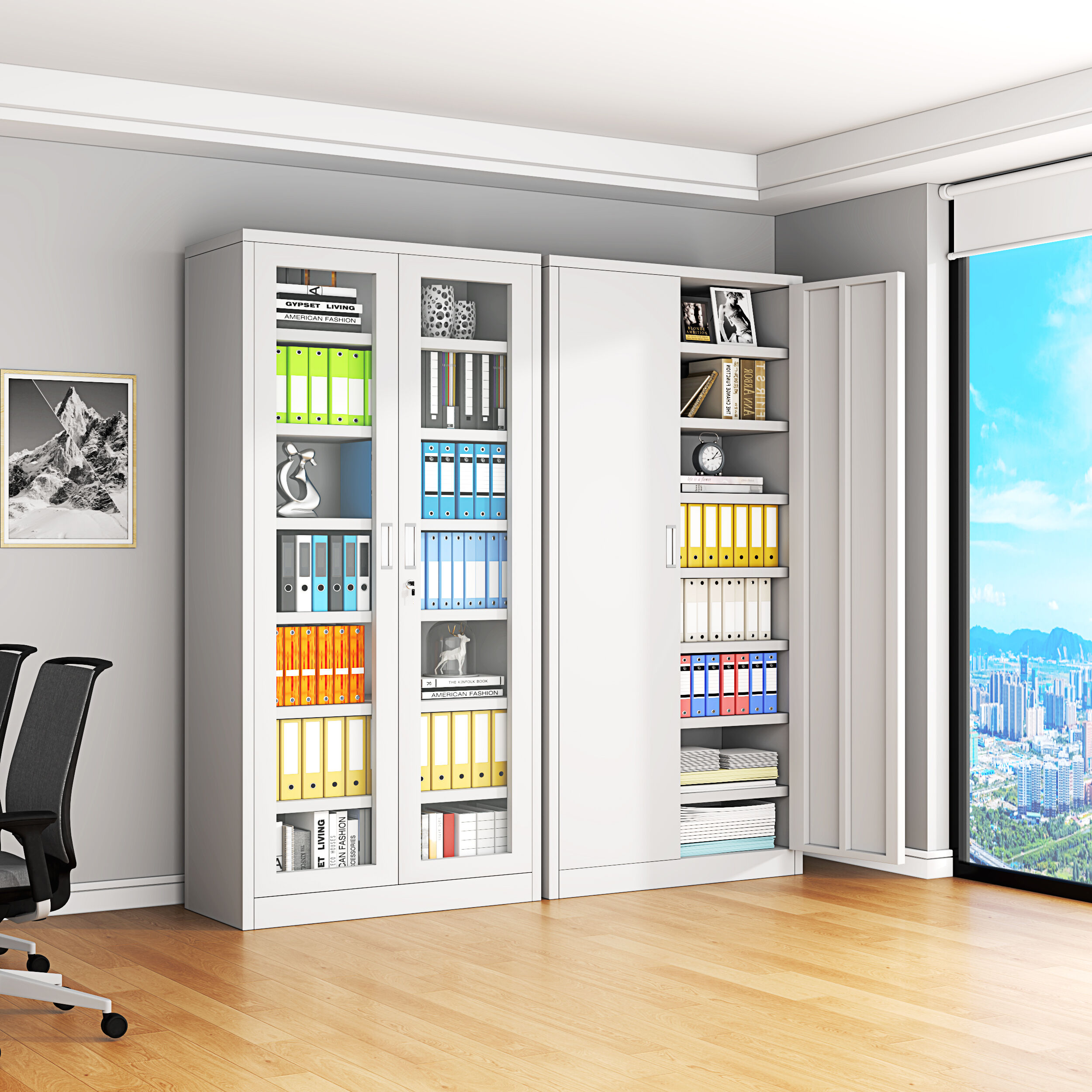
3. Key Technical Performance Standards
Surface Coating Physical/Chemical Properties
Coatings must pass several tests to ensure longevity:
- Hardness: ≥H (pencil hardness test) to resist scratches.
- Adhesion: Rated ≥Level 2 (cross-cut test) to prevent peeling.
- Impact Resistance: Withstands impact from a 40cm drop without cracking or peeling.
- Corrosion Resistance: Neutral salt spray test for 100 hours shows no blistering or rust beyond 3mm from scribe lines. Some high-end requirements extend to 120 hours.
Dimensional Tolerances & Precision
- Overall Dimensions: Deviation should generally be within ±2mm.
- Squareness: Deviation of adjacent edges ≤2mm; diagonal deviation ≤3mm for panels over 1000mm.
Load-Bearing & Mechanical Performance
- Shelf Load Tests: Shelves must withstand distributed loads (e.g., 50kg) with deflection ≤0.5% of span and no permanent deformation after unloading.
- Drawer Durability: Slides and drawers must endure frequent use—often tested for 40,000 open-close cycles without failure.
- Stability: Cabinets must not tip when doors and drawers are fully extended and loaded.
4. Environmental & Safety Considerations
- Indoor Air Quality: Coatings and materials must comply with limits on formaldehyde and volatile organic compounds (VOCs).
- Safety Design: Edges and corners should be rounded to avoid sharp edges; locking mechanisms must function smoothly and reliably.
- Recyclability: Steel is fully recyclable, supporting circular economy principles.
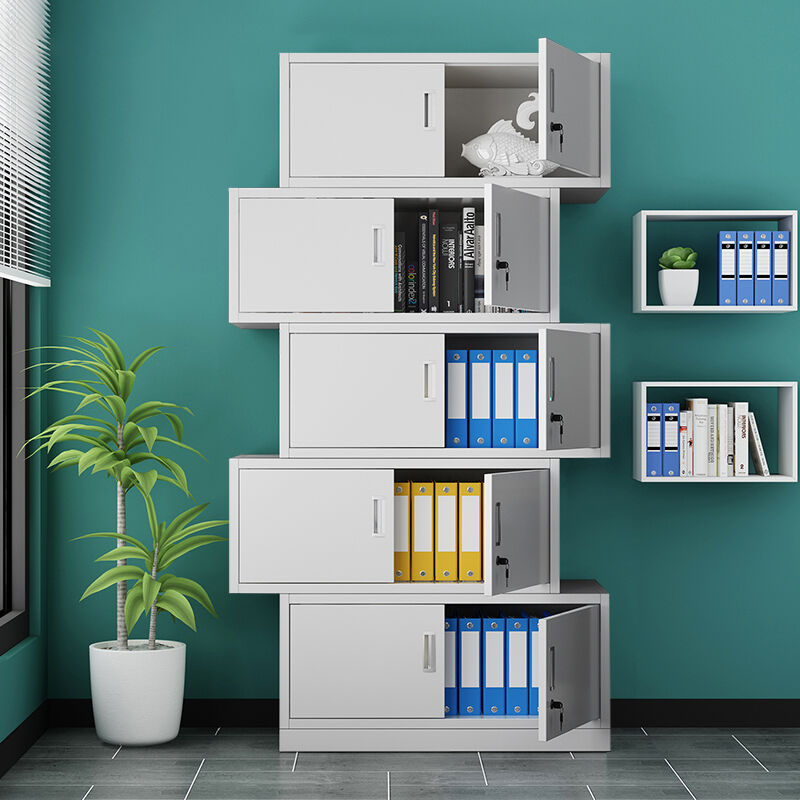
5. Certification & Compliance
Reputable manufacturers like Pulage provide products that comply with national standards such as:
- GB/T 13668-2015 (steel bookcases and data cabinets)
- GB/T 3325-2014 (metal furniture general technical requirements)
- QB/T 1097-2010 (steel filing cabinets)
We also supply third-party test reports from accredited labs to verify compliance with standards for materials, load-bearing capacity, safety, and environmental performance.
Pulage's Commitment to Quality
At Pulage, we don't just meet standards—we exceed them. Our production processes incorporate strict quality control at each stage, from material inspection to final assembly. By choosing Pulage, you invest in filing cabinets that offer:
- Long-Term Durability: Robust materials and precise engineering ensure our cabinets withstand daily use in busy offices.
- Environmental Responsibility: Eco-friendly coatings and recyclable materials reduce ecological impact.
- Safety & Reliability: Designed and tested to protect both users and stored documents.
Ready to experience the Pulage difference? Explore our range of standard and customizable steel filing cabinets—where quality is built into every detail. Visit our website or contact us today for a consultation!
Table of Contents
- Engineering Excellence: The Strict Standards Behind Pulage Steel Filing Cabinets
- 1. Material Selection: The Foundation of Durability
- 2. Manufacturing Processes: Precision and Care
- 3. Key Technical Performance Standards
- 4. Environmental & Safety Considerations
- 5. Certification & Compliance
- Pulage's Commitment to Quality