
 EN
EN
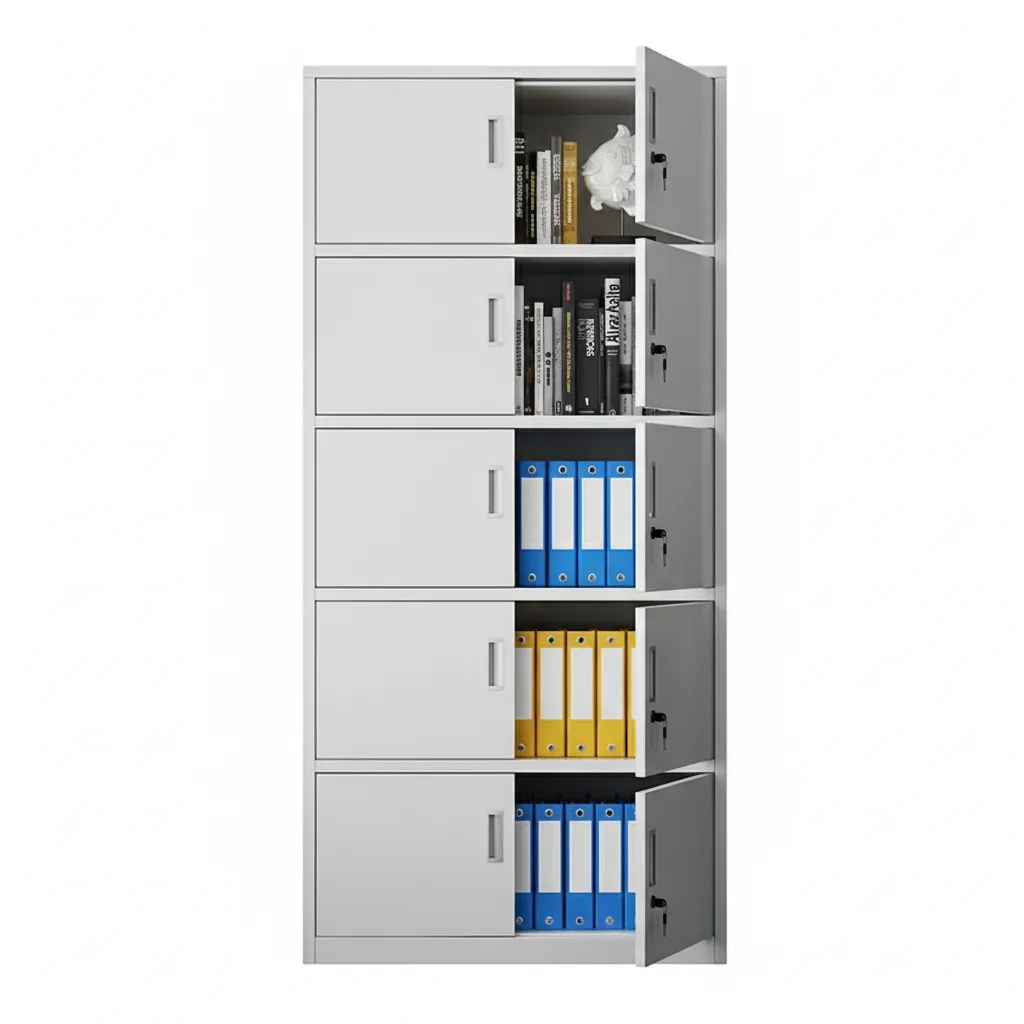
Commercial environments demand robust storage solutions that can withstand daily usage while protecting valuable documents and materials. Filing Cabinets serve as the backbone of office organization, but their durability varies significantly based on construction quality, materials, and design features. Understanding the key factors that influence longevity helps businesses make informed decisions when selecting storage systems that will provide years of reliable service. The investment in high-quality Filing Cabinets pays dividends through reduced replacement costs and enhanced workplace efficiency.
Material Construction and Steel Quality
Steel Gauge Thickness
The foundation of durable Filing Cabinets lies in the steel gauge thickness used throughout the construction. Premium commercial units typically utilize 18-gauge or thicker steel for the cabinet body, while lower-quality alternatives may use 20-gauge or thinner materials. Thicker steel provides superior resistance to denting, warping, and structural damage from heavy loads or accidental impacts. The difference becomes apparent over time, as thinner materials may develop permanent deformations that affect drawer operation and overall cabinet integrity.
Professional-grade Filing Cabinets often feature reinforced corners and stress points where additional steel thickness prevents failure under heavy usage. The drawer fronts and sides particularly benefit from robust construction, as these components experience the most frequent handling and weight stress. Manufacturers who prioritize durability typically specify their steel gauge prominently, while those using substandard materials may omit this crucial specification from their product descriptions.
Steel Treatment and Coating
Beyond thickness, the treatment and coating applied to steel Filing Cabinets significantly impacts their resistance to corrosion and wear. Quality manufacturers employ multi-stage preparation processes including degreasing, phosphating, and primer application before the final powder coating. This comprehensive treatment creates a durable barrier against moisture, scratches, and chemical exposure common in office environments. The powder coating process provides superior adhesion and durability compared to traditional paint finishes.
Electrostatic powder coating creates a uniform, chip-resistant surface that maintains its appearance despite daily use. The curing process bonds the coating at the molecular level, creating a finish that resists fading, chalking, and premature wear. Premium Filing Cabinets may feature specialized coatings designed for high-traffic environments, incorporating antimicrobial properties or enhanced scratch resistance for demanding commercial applications.
Hardware Components and Mechanisms
Drawer Slide Systems
The drawer slide mechanism represents one of the most critical components affecting Filing Cabinets longevity. Heavy-duty ball-bearing slides rated for substantial weight capacity ensure smooth operation even when fully loaded with documents. Premium slides incorporate sealed ball bearings that resist contamination from dust and debris, maintaining consistent performance throughout their service life. The slide extension capability also influences durability, as full-extension slides distribute weight more evenly and reduce stress on mounting points.
Commercial-grade Filing Cabinets typically feature progressive drawer slides that require minimal force to operate while providing positive stops at both open and closed positions. The mounting hardware must be engineered to handle repeated cycling without loosening or misalignment. Quality manufacturers specify the slide rating and testing standards, often including cycle testing results that demonstrate performance after thousands of operations.
Locking Mechanisms
Durable locking systems protect contents while withstanding frequent use and potential security threats. Filing Cabinets designed for commercial environments incorporate high-security cam locks or cylinder locks manufactured to commercial standards. The lock housing and mounting system must resist tampering attempts while maintaining smooth operation over years of daily use. Quality locks feature brass or stainless steel components that resist corrosion and wear better than plated alternatives.
Advanced locking systems may include master keying capabilities or electronic access control integration. The durability of these systems depends on the quality of the electronic components and their protection from environmental factors. Filing Cabinets with integrated locking mechanisms require careful consideration of the interaction between mechanical and electronic components to ensure long-term reliability in demanding commercial settings.
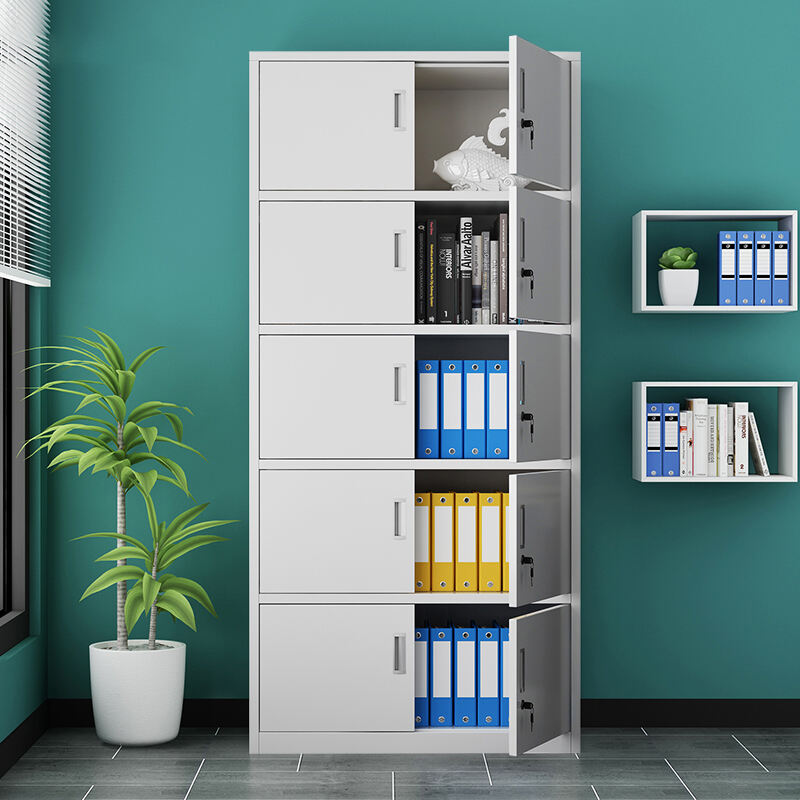
Design Features and Structural Engineering
Weight Distribution and Load Capacity
Proper weight distribution engineering prevents premature failure and maintains Filing Cabinets stability throughout their service life. The internal framework must support fully loaded drawers without sagging or structural deformation. Quality manufacturers conduct extensive load testing to verify their capacity ratings and ensure safe operation under maximum load conditions. The base design plays a crucial role in distributing weight evenly across the floor surface while maintaining stability.
Filing Cabinets engineered for commercial use incorporate anti-tip mechanisms that prevent dangerous tipping when multiple drawers are opened simultaneously. These safety features also contribute to durability by preventing stress concentrations that could cause structural damage. The drawer suspension system must accommodate varying loads while maintaining proper alignment and smooth operation regardless of the document distribution within each drawer.
Ventilation and Environmental Protection
Environmental factors significantly impact Filing Cabinets durability, making proper ventilation design essential for long-term performance. Adequate air circulation prevents moisture accumulation that could lead to corrosion or document damage. Quality cabinets incorporate discrete ventilation features that maintain security while allowing air movement. The internal design should facilitate cleaning and maintenance access without compromising structural integrity.
Filing Cabinets intended for harsh environments may require specialized sealing systems to protect against dust, moisture, or chemical exposure. These enhanced protection features must be balanced with accessibility and ventilation requirements. The gasket materials and sealing mechanisms must maintain their effectiveness throughout the cabinet's service life while accommodating thermal expansion and contraction cycles common in commercial buildings.
Manufacturing Quality and Assembly Standards
Welding and Joint Construction
The quality of welding and joint construction directly affects Filing Cabinets structural integrity and longevity. Professional manufacturing employs continuous welding techniques that create uniform, strong joints throughout the cabinet structure. Spot welding or intermittent joints may create weak points that fail under stress or repeated loading cycles. Quality manufacturers grind and finish welds to prevent sharp edges and ensure smooth surfaces that resist corrosion initiation.
Filing Cabinets designed for demanding commercial use may incorporate mechanical fastening systems in addition to welding for critical joints. These hybrid construction methods provide redundant strength and facilitate repair if necessary. The assembly process must maintain precise tolerances to ensure proper drawer alignment and smooth operation throughout the cabinet's service life. Quality control procedures verify joint integrity and overall assembly quality before shipment.
Quality Control and Testing Procedures
Comprehensive quality control programs ensure Filing Cabinets meet durability standards before reaching commercial users. Reputable manufacturers conduct extensive testing including drawer cycle testing, load capacity verification, and finish durability assessment. These testing procedures simulate years of normal use to identify potential failure modes and verify design adequacy. Documentation of testing results provides confidence in the product's expected performance and service life.
Filing Cabinets undergo final inspection procedures that verify proper assembly, finish quality, and functional operation. Random sampling and statistical quality control methods help maintain consistent production standards. Manufacturers who invest in comprehensive quality programs typically offer extended warranties that reflect their confidence in product durability and reliability.
Environmental Factors and Usage Conditions
Climate and Atmospheric Conditions
Commercial environments subject Filing Cabinets to varying temperature and humidity conditions that affect material performance and longevity. Steel components may experience thermal expansion and contraction cycles that stress joints and moving parts. Humidity fluctuations can accelerate corrosion processes, particularly in coastal or industrial environments where salt or chemical exposure compounds the problem. Quality cabinets incorporate design features that accommodate environmental variations without compromising performance.
Filing Cabinets installed in climate-controlled environments typically experience longer service lives compared to those in uncontrolled spaces. However, commercial-grade units should maintain functionality across a wide range of environmental conditions. The finish system and internal components must resist condensation formation and moisture-related deterioration. Proper ventilation design helps equalize internal and external conditions while protecting sensitive documents from environmental damage.
Usage Patterns and Maintenance Requirements
The frequency and manner of use significantly impact Filing Cabinets durability and service life. Heavy usage patterns require more robust construction and higher-quality components to maintain reliable operation. Proper user training regarding weight limits, drawer operation, and security procedures helps maximize cabinet longevity. Regular maintenance including cleaning, lubrication, and adjustment extends service life and prevents minor issues from developing into major problems.
Filing Cabinets benefit from periodic inspection and preventive maintenance programs that identify potential issues before they cause operational problems. The accessibility of maintenance points and availability of replacement parts influence the total cost of ownership. Manufacturers who provide detailed maintenance instructions and readily available service parts demonstrate commitment to long-term product support and customer satisfaction.
FAQ
What steel thickness should I look for in commercial Filing Cabinets
Commercial Filing Cabinets should feature 18-gauge steel or thicker for optimal durability. This thickness provides excellent resistance to denting and structural damage while supporting heavy document loads. Thicker steel also ensures drawer alignment remains true over years of use, preventing binding or operational issues that plague thinner alternatives.
How important are the drawer slides for Filing Cabinets longevity
Drawer slides are critical components that directly affect Filing Cabinets durability and user experience. Heavy-duty ball-bearing slides rated for 100-150 pounds ensure smooth operation even when fully loaded. Quality slides with sealed bearings resist contamination and maintain consistent performance throughout thousands of operating cycles, making them essential for commercial applications.
What maintenance do Filing Cabinets require for maximum durability
Filing Cabinets require minimal but regular maintenance including periodic cleaning, drawer slide lubrication, and lock mechanism service. Annual inspection of drawer alignment, hardware tightness, and finish condition helps identify issues early. Proper loading practices and user training significantly extend cabinet life by preventing overloading and misuse that could cause structural damage.
Do Filing Cabinets need special features for harsh commercial environments
Filing Cabinets in demanding environments benefit from enhanced corrosion protection, sealed construction, and upgraded hardware components. Industrial or coastal locations may require specialized coatings and gasket systems to prevent moisture intrusion. These enhanced features add initial cost but provide superior longevity in challenging environments where standard cabinets might fail prematurely.