
 EN
EN
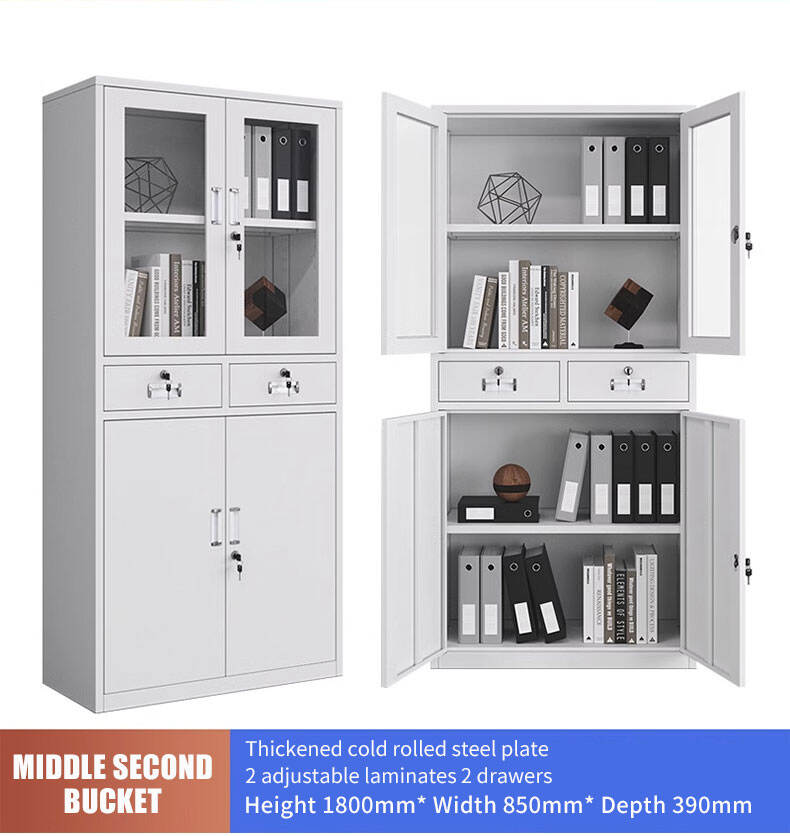
Selecting the right filing cabinets for shared office environments requires careful consideration of multiple factors that impact both functionality and user experience. Modern workplaces increasingly rely on collaborative spaces where multiple employees need access to important documents and storage solutions. The choice of filing cabinets can significantly influence productivity, organization, and overall office efficiency. Understanding the specific requirements of shared environments helps businesses make informed decisions that support their operational needs while maintaining security and accessibility standards.
Understanding Storage Requirements in Shared Office Spaces
Assessing Document Volume and Types
Shared office environments typically generate diverse document types that require different storage approaches. Legal documents, client files, project materials, and administrative paperwork each have unique storage needs that influence filing cabinet selection. Teams working collaboratively often create higher document volumes than individual workstations, making capacity planning essential for long-term storage success. Analyzing current document production rates and projected growth helps determine the appropriate number and size of filing cabinets needed for optimal organization.
Document retention policies also impact storage requirements, as some materials must be kept for specific periods while others require permanent archiving. Understanding these requirements ensures that selected filing cabinets can accommodate both active and archived materials effectively. Electronic document management systems may reduce physical storage needs, but many organizations still require substantial paper-based filing solutions for compliance and operational purposes.
Evaluating Space Constraints and Layout Considerations
Office layout plays a crucial role in determining suitable filing cabinet configurations for shared environments. Available floor space, ceiling height, and workflow patterns all influence the selection process. Vertical filing cabinets maximize storage capacity in limited floor space, while lateral models offer easier access for multiple users. Understanding traffic patterns and user accessibility needs helps optimize cabinet placement for maximum efficiency and minimal disruption to daily operations.
Furniture integration considerations also affect selection decisions, as filing cabinets should complement existing office aesthetics while providing necessary functionality. Modular systems allow for future expansion and reconfiguration as organizational needs evolve. Planning for growth ensures that initial investments in filing cabinets remain valuable as teams expand and storage requirements increase over time.
Security Features for Multi-User Access
Implementing Appropriate Locking Mechanisms
Security considerations become paramount when multiple employees require access to stored documents in shared environments. Different locking mechanisms offer varying levels of security and access control options. Key locks provide basic security but require key management protocols to prevent unauthorized access or lost keys. Combination locks eliminate key management issues but require secure code sharing among authorized users.
Electronic locking systems offer advanced security features including access logging, time-restricted access, and individual user codes. These systems provide detailed audit trails that help organizations track document access for compliance and security purposes. The choice of locking mechanism should align with organizational security policies and the sensitivity of stored materials while maintaining practical accessibility for authorized users.
Balancing Security with Accessibility
Shared office environments require careful balance between document security and user accessibility to maintain productivity while protecting sensitive information. Over-securing filing cabinets can create operational bottlenecks, while insufficient security may compromise confidential materials. Implementing tiered security approaches allows organizations to apply appropriate protection levels based on document classification and user authorization levels.
Access control policies should clearly define which employees can access specific filing cabinets and document categories. Regular review and updates of access permissions ensure that security measures remain effective as personnel changes occur. Training programs help employees understand proper security procedures and their role in maintaining document confidentiality in shared environments.
Durability and Construction Quality
Material Selection for High-Use Environments
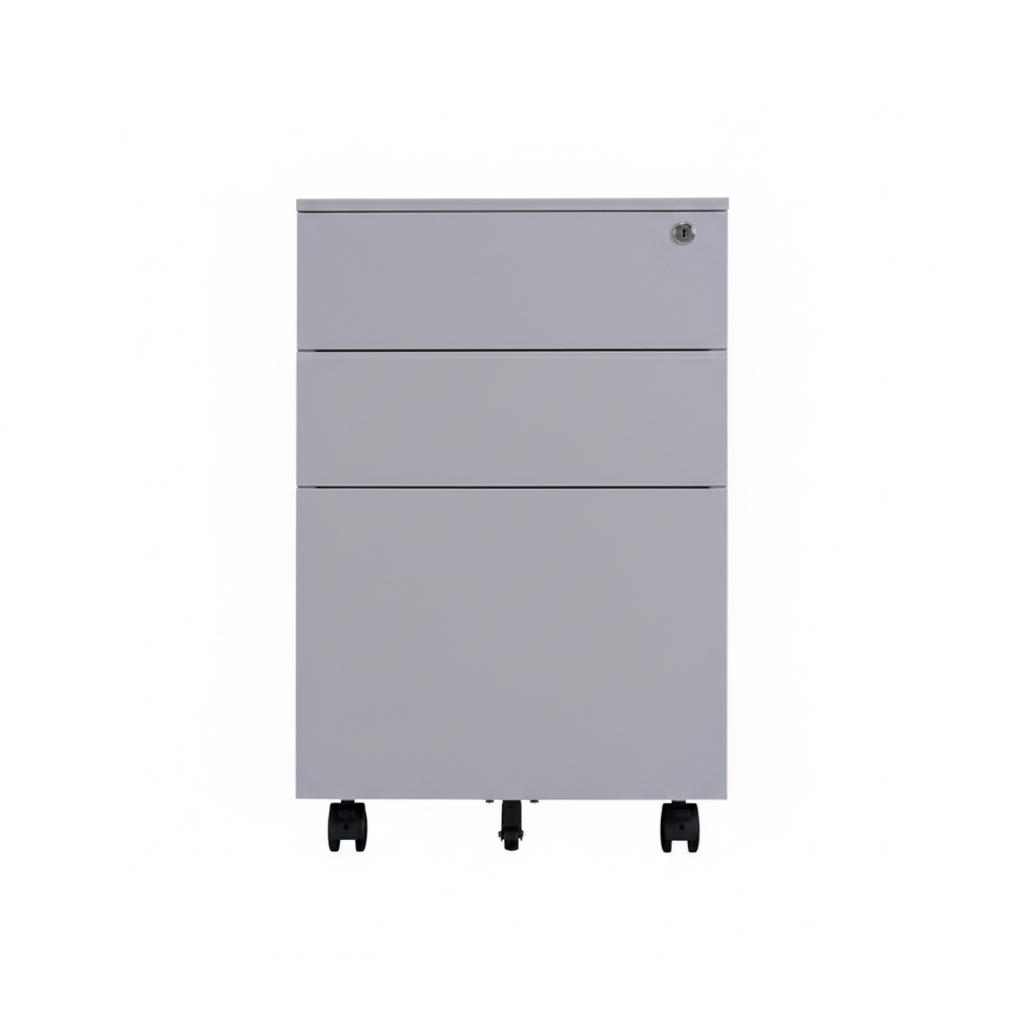
Shared office environments subject filing cabinets to higher usage rates than individual workstations, making durability a critical selection factor. Steel construction offers superior strength and longevity compared to particleboard or plastic alternatives. Heavy-gauge steel frames and reinforced drawer slides withstand frequent opening and closing cycles while maintaining smooth operation over extended periods.
Powder coating and corrosion-resistant finishes protect filing cabinets from wear and environmental factors common in busy office environments. Quality construction details such as welded joints, reinforced corners, and precision-fitted components indicate superior manufacturing standards that translate to longer service life. Investing in high-quality construction reduces replacement costs and maintenance requirements while ensuring consistent performance in demanding applications.
Weight Capacity and Structural Integrity
Filing cabinets in shared environments often reach maximum capacity due to collaborative document accumulation and multiple user access patterns. Understanding weight ratings and structural limitations prevents overloading that can damage drawer mechanisms and compromise safety. Full-extension drawer slides allow complete access to stored materials while supporting substantial weight loads without binding or failure.
Anti-tip mechanisms become essential safety features when filing cabinets are loaded to capacity and accessed by multiple users. These systems prevent dangerous tipping incidents that can cause injury and damage to both equipment and stored materials. Regular maintenance and inspection protocols help ensure that safety features remain functional throughout the cabinet's service life.
Organizational Systems and Accessibility
Implementing Efficient Filing Systems
Effective organization systems maximize the utility of filing cabinets in shared office environments where multiple users need quick access to specific documents. Standardized filing methods ensure consistency across all cabinets and enable any authorized employee to locate needed materials efficiently. Color-coding systems, alphabetical organization, and numerical filing schemes each offer distinct advantages depending on document types and usage patterns.
Labeling systems play crucial roles in maintaining organization and enabling rapid document retrieval in collaborative environments. Clear, consistent labeling prevents misfiling and reduces time spent searching for specific materials. Digital inventory systems can complement physical filing cabinets by providing searchable databases that reference physical storage locations for enhanced accessibility.
Optimizing User Experience and Workflow
Filing cabinets should integrate seamlessly into existing workflows to maximize productivity and user adoption in shared environments. Strategic placement near workstations reduces travel time and encourages proper filing practices. Drawer configuration options allow customization based on document sizes and types commonly used by specific teams or departments.
User training programs ensure that all employees understand proper filing procedures and can effectively utilize available storage systems. Regular maintenance schedules keep filing cabinets operating smoothly and prevent minor issues from becoming major operational disruptions. Feedback collection from users helps identify improvement opportunities and ensures that filing systems continue meeting evolving organizational needs.
Budget Considerations and Return on Investment
Analyzing Total Cost of Ownership
Budget planning for filing cabinets in shared environments extends beyond initial purchase prices to include long-term operational costs and replacement considerations. Quality filing cabinets represent significant investments that should be evaluated based on expected service life and maintenance requirements. Higher upfront costs often translate to lower total ownership expenses through reduced replacement frequency and maintenance needs.
Energy efficiency considerations may apply to electronic locking systems and climate-controlled storage requirements. Calculating potential productivity improvements from better organization and accessibility helps justify investment in premium filing cabinet solutions. Bulk purchasing opportunities and vendor relationships can provide cost advantages for organizations requiring multiple filing cabinets across shared environments.
Evaluating Long-term Value and Performance
Return on investment calculations should consider productivity improvements, reduced document loss, enhanced security, and improved workplace organization resulting from appropriate filing cabinet selection. Quality filing cabinets contribute to professional office appearance and employee satisfaction, factors that may influence client perceptions and staff retention. Warranty coverage and manufacturer support services add value by protecting investments and ensuring continued performance.
Scalability considerations ensure that initial filing cabinet selections remain valuable as organizations grow and evolve. Modular systems and compatible expansion options provide flexibility for future needs without requiring complete replacement of existing investments. Regular performance assessments help identify optimization opportunities and inform future purchasing decisions for additional filing cabinets.
FAQ
What size filing cabinets work best for shared office environments
Four-drawer vertical filing cabinets typically offer optimal capacity and accessibility for shared environments, providing substantial storage while maintaining reasonable accessibility for multiple users. Lateral filing cabinets work well when floor space allows, offering easier access for collaborative teams and better integration with existing office furniture layouts.
How many people can effectively share a single filing cabinet
Most filing cabinets can effectively serve 3-5 users in shared environments, depending on document volume and access frequency. Higher user counts may require multiple cabinets or larger capacity units to prevent overcrowding and maintain organization. Consider individual storage needs and peak usage periods when determining appropriate user-to-cabinet ratios.
What security features are essential for shared filing cabinets
Essential security features include reliable locking mechanisms, preferably with individual access control capabilities, and anti-tip safety systems for loaded cabinets. Consider electronic locks for environments requiring detailed access logging or frequent user changes. Fire-resistant construction may be necessary for critical document storage applications.
How do you maintain organization with multiple users accessing filing cabinets
Maintaining organization requires clear labeling systems, standardized filing procedures, and regular training for all users. Implement check-out systems for sensitive documents and establish accountability measures for proper filing practices. Regular audits and reorganization sessions help maintain system integrity and identify improvement opportunities.