
 EN
EN
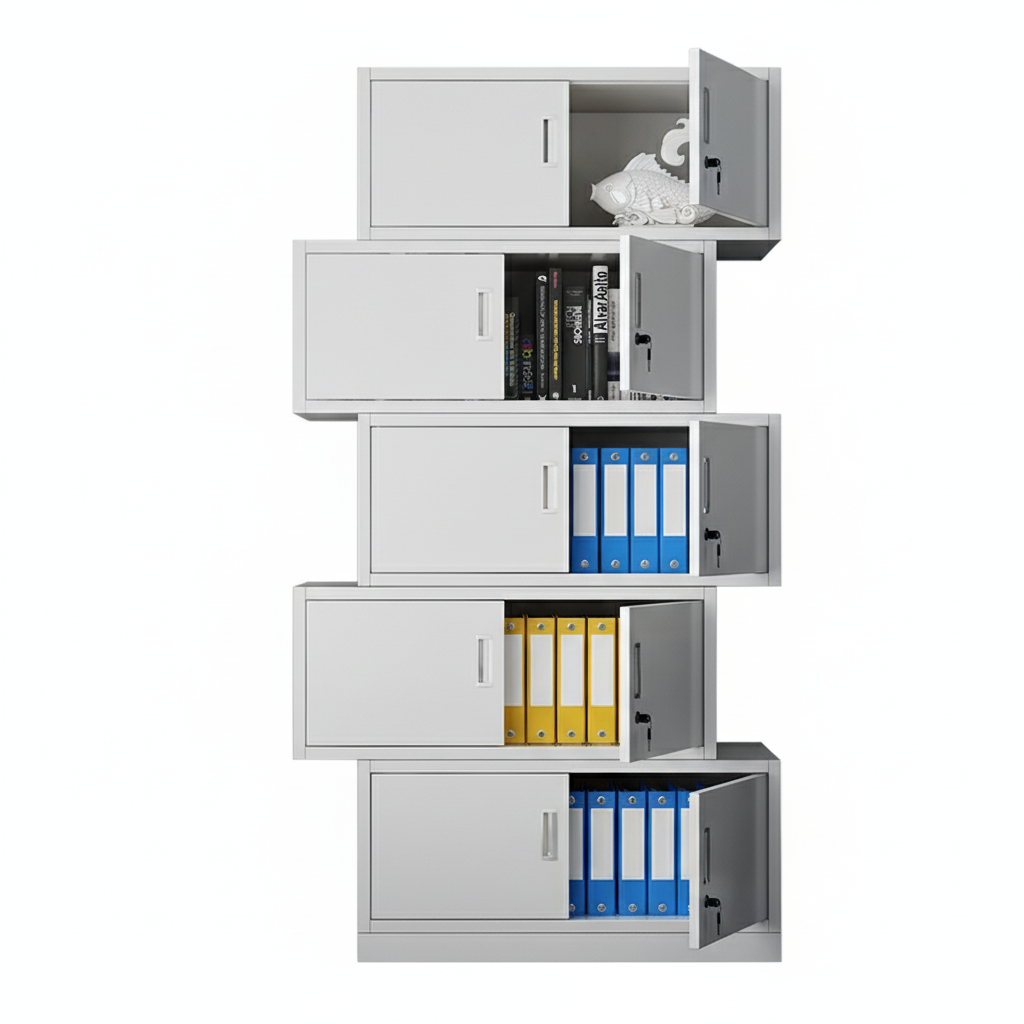
Modern administrative departments face increasing demands for organization, efficiency, and secure document management. Filing cabinets serve as the backbone of systematic office organization, providing structured storage solutions that streamline daily operations. These essential office fixtures transform chaotic paperwork into manageable, accessible systems that support productivity across all administrative functions. When properly implemented, filing cabinets create workflows that reduce time spent searching for documents, minimize errors, and establish professional standards that enhance overall departmental performance.
Strategic Document Organization Systems
Categorization Methods That Drive Efficiency
Effective filing cabinets enable administrative departments to implement sophisticated categorization systems that align with business processes. Professional organizations typically organize documents by department, project, client, or chronological order, depending on their operational needs. These storage solutions accommodate various filing methods, including alphabetical systems for client records, numerical systems for invoice processing, and subject-based organization for policy documents. The physical structure of filing cabinets supports these methodologies by providing dedicated spaces for different document types.
Administrative staff benefit significantly when filing cabinets are organized using consistent labeling systems and color-coding strategies. These visual management techniques reduce retrieval times and minimize misfiling errors that can disrupt workflow continuity. Modern filing cabinets often feature adjustable dividers and hanging folder systems that accommodate different document sizes while maintaining organizational integrity. The result is a systematic approach to document management that scales with departmental growth and changing administrative requirements.
Integration With Digital Workflows
Contemporary administrative departments increasingly operate hybrid systems where filing cabinets complement digital document management platforms. Physical storage remains essential for original contracts, legal documents, and regulatory compliance materials that require hard-copy retention. Filing cabinets serve as secure repositories for these critical documents while supporting digital workflow processes through organized backup systems. This integration ensures business continuity and regulatory compliance across multiple operational channels.
The synergy between physical filing cabinets and digital systems creates redundant safeguards that protect against data loss and support comprehensive audit trails. Administrative departments rely on this dual approach to maintain operational resilience while meeting diverse stakeholder requirements. Filing cabinets provide tangible access points for urgent document retrieval when digital systems experience downtime or technical difficulties, ensuring uninterrupted administrative operations.
Security and Compliance Infrastructure
Protecting Sensitive Administrative Information
Security considerations drive many filing cabinet selection decisions in administrative environments where confidential information requires protection from unauthorized access. Locking mechanisms, reinforced construction, and strategic placement protocols ensure that sensitive documents remain secure while maintaining accessibility for authorized personnel. Filing cabinets with advanced security features support compliance with privacy regulations and internal governance policies that govern document handling procedures.
Administrative departments often manage documents containing personal information, financial data, and proprietary business intelligence that requires multilevel security protocols. High-quality filing cabinets incorporate features such as individual drawer locks, master key systems, and fire-resistant construction that protect against various security threats. These protective measures enable administrative staff to maintain strict access controls while supporting efficient document workflows that meet operational demands.
Regulatory Compliance Support
Filing cabinets play crucial roles in supporting regulatory compliance initiatives that require systematic document retention and retrieval capabilities. Administrative departments must often maintain records for specific periods while ensuring immediate access during audits or regulatory reviews. Professional-grade filing cabinets provide the organizational infrastructure necessary to meet these requirements through structured storage systems that support comprehensive record-keeping protocols.
Compliance-focused filing cabinets often feature specialized components such as retention labels, archival-quality materials, and expansion capabilities that accommodate growing document volumes over mandatory retention periods. These features ensure that administrative departments can demonstrate due diligence in record management while maintaining operational efficiency throughout compliance cycles. The result is systematic document management that supports both daily operations and long-term regulatory requirements.
Workflow Optimization Through Strategic Placement
Spatial Design Considerations
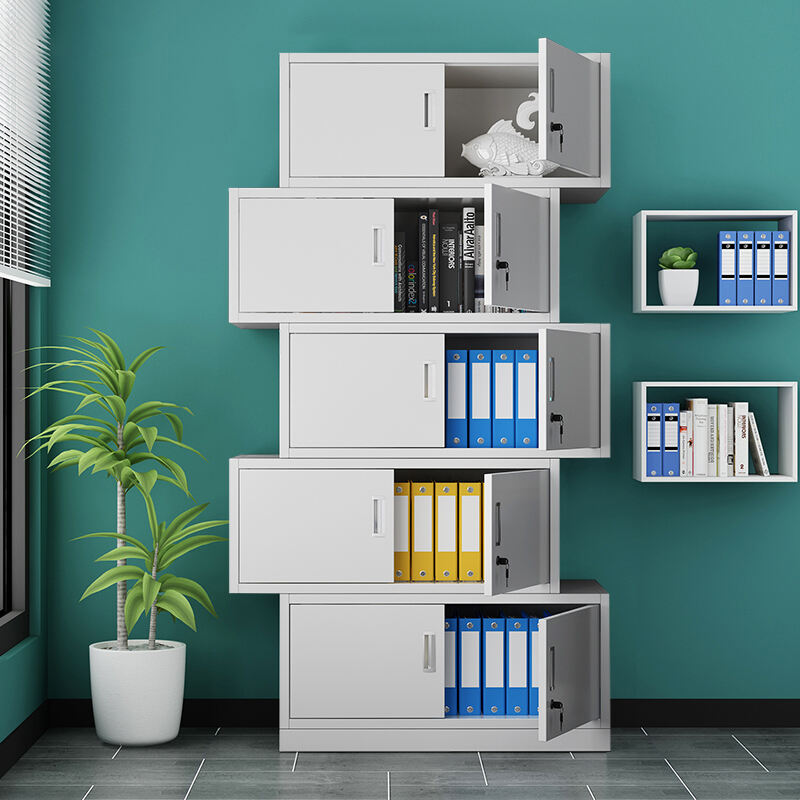
The strategic placement of filing cabinets within administrative workspaces significantly impacts workflow efficiency and staff productivity. Optimal positioning considers factors such as frequency of access, document types, and individual workstation requirements to create seamless operational flows. Filing cabinets positioned near high-traffic areas support collaborative workflows while maintaining security protocols for sensitive information. Administrative departments benefit when storage solutions integrate naturally into workspace designs without creating bottlenecks or accessibility barriers.
Ergonomic considerations influence filing cabinet placement decisions that affect daily administrative operations. Height accessibility, drawer operation clearances, and proximity to workstations determine how effectively staff can utilize these storage systems throughout their workday. Well-planned filing cabinet arrangements reduce physical strain while supporting efficient document handling processes that maintain productivity levels across extended periods.
Traffic Flow Management
Administrative departments with multiple staff members require filing cabinet arrangements that support simultaneous access without creating congestion or workflow conflicts. Strategic positioning creates natural pathways that allow multiple users to access different storage areas concurrently while maintaining organized retrieval processes. These arrangements consider peak usage periods and collaborative requirements that influence document access patterns throughout typical business operations.
Effective traffic flow management through filing cabinet placement reduces wait times and prevents operational bottlenecks that can disrupt administrative productivity. Professional workspace designs often incorporate zones dedicated to different filing cabinet functions, separating active daily-use storage from archival systems that require less frequent access. This segregation optimizes workflow efficiency while maintaining comprehensive document management capabilities across diverse administrative functions.
Technology Integration and Modern Applications
Smart Storage Solutions
Modern filing cabinets increasingly incorporate technological features that enhance administrative workflow efficiency through automated tracking and access control systems. Electronic locks, RFID tracking, and digital inventory management capabilities transform traditional storage into intelligent infrastructure that supports data-driven administrative operations. These technological integrations provide real-time visibility into document locations while maintaining security protocols that protect sensitive information.
Administrative departments leveraging smart filing cabinets benefit from automated audit trails, usage analytics, and predictive maintenance capabilities that optimize storage system performance. These features support proactive management approaches that identify potential issues before they impact workflow efficiency. The integration of technology with traditional filing cabinets creates hybrid solutions that combine physical security with digital convenience for comprehensive document management.
Connectivity With Administrative Software
Contemporary filing cabinets often integrate with document management software and administrative platforms to create seamless workflows between physical and digital storage systems. These connections enable cross-referencing capabilities that link physical document locations with digital indexes, supporting comprehensive search and retrieval processes. Administrative staff can quickly locate documents across multiple storage mediums while maintaining detailed records of document handling activities.
Software integration capabilities transform filing cabinets from passive storage into active components of administrative information systems. These connections support automated notifications, scheduled reviews, and compliance reporting that reduce manual administrative overhead while improving accuracy. The result is enhanced workflow efficiency that leverages both physical security and digital convenience to optimize administrative operations.
Cost-Effectiveness and Long-Term Value
Investment Return Analysis
Quality filing cabinets represent significant long-term investments that deliver measurable returns through improved administrative efficiency and reduced operational costs. The initial investment in professional-grade storage systems typically recovers through time savings, reduced document loss, and improved compliance outcomes that prevent costly regulatory issues. Administrative departments that invest in appropriate filing cabinets experience sustained productivity improvements that justify equipment costs over extended operational periods.
Comprehensive cost analysis reveals that filing cabinets contribute to administrative efficiency through multiple value streams including reduced search times, prevented document loss, and improved staff satisfaction. These benefits compound over time as organized systems reduce training requirements for new staff while supporting consistent operational procedures. Professional filing cabinets also maintain their functionality and appearance over decades with minimal maintenance, providing exceptional long-term value for administrative operations.
Scalability and Future Planning
Administrative departments require filing cabinet solutions that accommodate growth and changing operational requirements without necessitating complete system overhauls. Modular designs and expandable configurations ensure that storage systems can evolve with departmental needs while maintaining organizational consistency. This scalability prevents the disruption and expense associated with frequent storage system replacements as administrative requirements change.
Future-focused filing cabinet selections consider emerging technologies, changing compliance requirements, and evolving administrative practices that may impact storage needs. Flexible designs accommodate new document types, updated security requirements, and changing workflow patterns without requiring significant infrastructure modifications. This adaptability ensures that filing cabinet investments remain valuable assets throughout changing business environments and operational evolution.
FAQ
How do filing cabinets improve daily administrative productivity
Filing cabinets improve daily productivity by providing organized, accessible storage that reduces document search times and eliminates workflow disruptions caused by misplaced information. Systematic organization enables staff to quickly locate required documents while maintaining security protocols for sensitive materials. The structured approach supported by quality filing cabinets creates predictable workflows that enhance overall departmental efficiency and reduce time spent on document management activities.
What security features should administrative departments prioritize in filing cabinets
Administrative departments should prioritize locking mechanisms, fire resistance, and access control features that protect sensitive information while maintaining operational accessibility. Individual drawer locks, master key systems, and reinforced construction provide multilevel security appropriate for different document classifications. Additional features such as electronic access logs and tamper-evident seals support comprehensive security protocols that meet regulatory compliance requirements while enabling efficient document workflows.
How do filing cabinets integrate with modern digital document management systems
Filing cabinets integrate with digital systems by serving as secure physical repositories for original documents while supporting hybrid workflows that combine physical and electronic storage. Modern integration includes cross-referencing capabilities, automated inventory tracking, and synchronized access controls that create seamless document management across multiple platforms. This integration ensures business continuity while meeting diverse stakeholder requirements for both physical document access and digital workflow efficiency.
What factors determine the optimal filing cabinet configuration for administrative workflows
Optimal configuration depends on document volumes, access frequency, security requirements, and available workspace dimensions that influence storage system performance. Considerations include drawer capacity, locking mechanisms, placement accessibility, and expansion potential that align with current needs and future growth projections. Administrative departments should evaluate workflow patterns, compliance requirements, and staff accessibility needs to determine configurations that maximize operational efficiency while maintaining comprehensive document management capabilities.
Table of Contents
- Strategic Document Organization Systems
- Security and Compliance Infrastructure
- Workflow Optimization Through Strategic Placement
- Technology Integration and Modern Applications
- Cost-Effectiveness and Long-Term Value
-
FAQ
- How do filing cabinets improve daily administrative productivity
- What security features should administrative departments prioritize in filing cabinets
- How do filing cabinets integrate with modern digital document management systems
- What factors determine the optimal filing cabinet configuration for administrative workflows