
 EN
EN
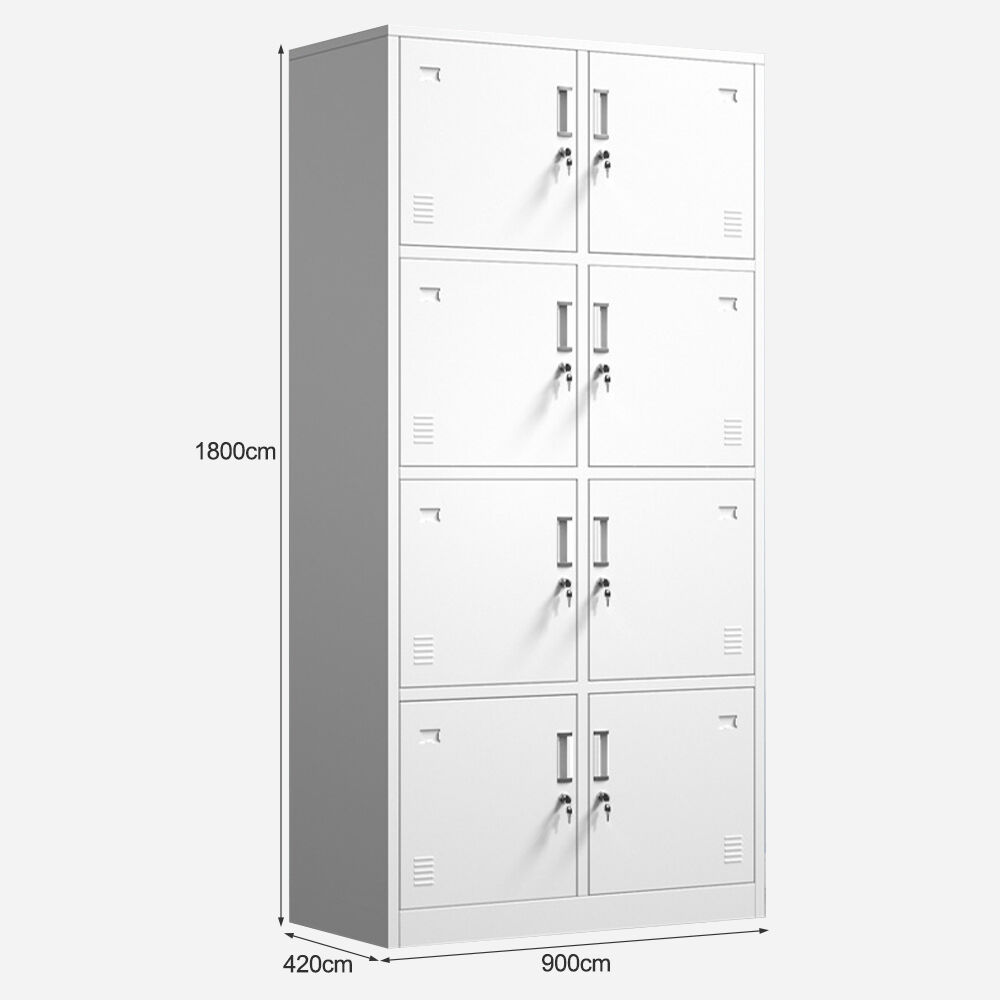
Commercial facilities across various industries have embraced metal lockers as essential storage solutions that combine durability, security, and versatility. These robust storage units have become indispensable in workplaces, educational institutions, healthcare facilities, and recreational centers due to their ability to withstand heavy daily use while maintaining organizational efficiency. Metal lockers offer superior protection for personal belongings and valuable items, making them the preferred choice for facility managers seeking reliable long-term storage solutions that can adapt to diverse operational requirements.
Superior Durability and Construction Materials
Steel Framework and Structural Integrity
Metal lockers constructed from high-grade steel provide exceptional structural integrity that surpasses alternative materials in commercial environments. The steel framework resists warping, cracking, and deterioration even under constant use by multiple users throughout extended operational periods. Advanced manufacturing processes ensure consistent wall thickness and reinforced corners that maintain shape and functionality for decades. Commercial-grade metal lockers typically feature welded seams and reinforced hinges that distribute stress evenly across the entire structure, preventing common failure points that plague other storage solutions.
The inherent strength of steel construction allows metal lockers to support substantial weight loads without compromising door alignment or internal storage capacity. This durability translates into reduced maintenance costs and fewer replacement cycles, making metal lockers a cost-effective investment for commercial facility operators. The robust construction also enables stacking configurations and modular arrangements that maximize storage density within limited floor space.
Corrosion Resistance and Surface Protection
Modern metal lockers incorporate advanced coating systems that provide exceptional corrosion resistance in diverse environmental conditions. Powder coating processes create durable surface finishes that resist moisture, chemicals, and physical wear while maintaining aesthetic appeal over extended periods. These protective coatings bond directly to the metal substrate at molecular levels, creating barriers against rust formation and surface degradation that commonly affect untreated steel products.
Specialized coating formulations address specific environmental challenges found in commercial facilities, including high humidity areas, chemical exposure zones, and outdoor installations. The multi-layer coating systems typically include primer layers for adhesion, color layers for appearance, and clear protective topcoats that resist scratches and stains. This comprehensive protection ensures metal lockers maintain professional appearance and functional integrity throughout their operational lifespan.
Enhanced Security Features and Access Control
Locking Mechanisms and Hardware Systems
Metal lockers integrate sophisticated locking mechanisms that provide multiple security levels appropriate for various commercial applications. Standard mechanical locks offer reliable security for general-purpose storage, while electronic locking systems enable advanced access control and user management capabilities. Combination locks eliminate key management concerns while providing convenient access for authorized users without requiring physical key distribution or replacement protocols.
Heavy-duty hinges and reinforced door frames resist tampering attempts and unauthorized access while maintaining smooth operation under frequent use. The precision-engineered hardware components undergo rigorous testing to ensure consistent performance and longevity. Cam locks, paddle locks, and digital locks can be integrated depending on specific security requirements and user preferences within the commercial facility environment.
Theft Prevention and Asset Protection
The solid construction and secure locking systems of metal lockers create effective deterrents against theft and unauthorized access to stored items. Reinforced steel walls resist cutting, drilling, and impact damage that might compromise security in alternative storage solutions. The enclosed design prevents casual observation of stored contents while maintaining convenient access for authorized users through controlled entry points.
Commercial facilities benefit from reduced liability concerns when providing secure storage options for employee belongings, visitor items, and valuable equipment. Metal lockers enable clear accountability for stored items while protecting facility operators from claims related to lost or stolen personal property. The visible security features also promote user confidence and encourage proper utilization of designated storage areas.
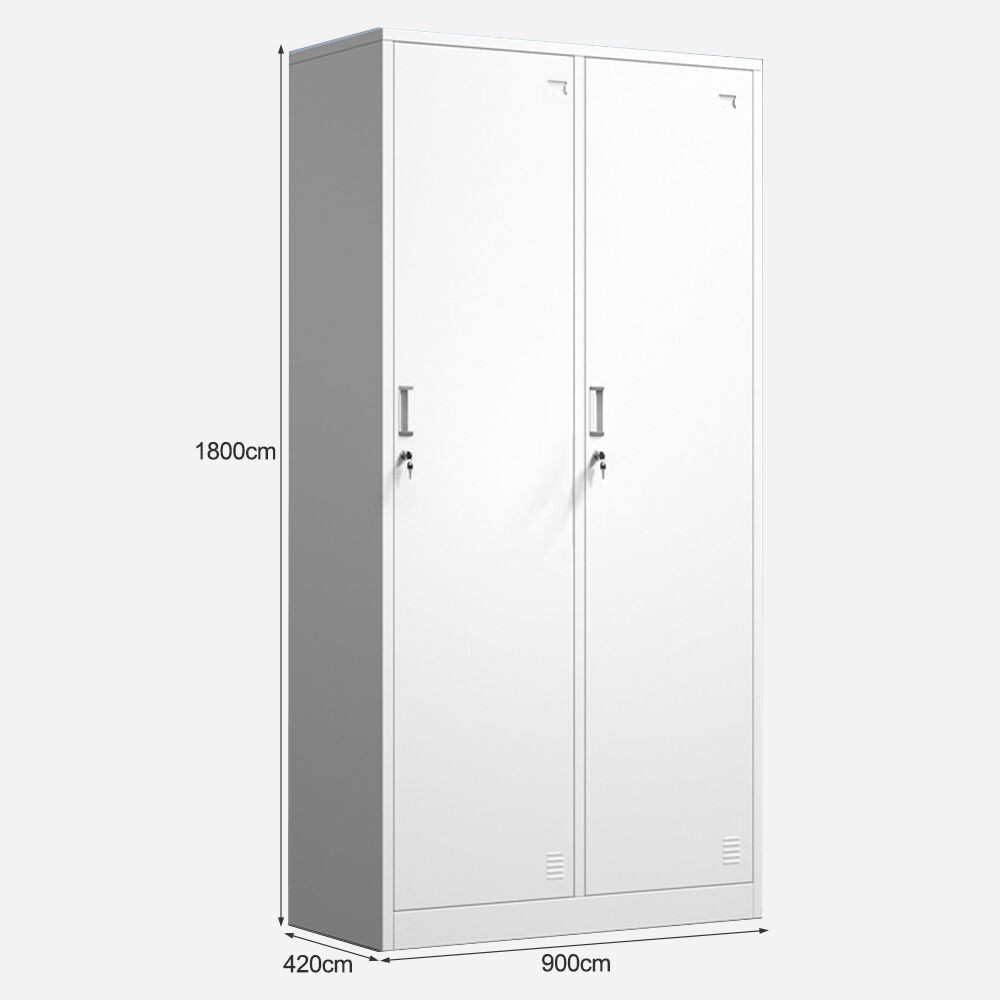
Versatile Applications Across Commercial Sectors
Workplace and Office Environments
Corporate offices and professional workplaces utilize metal lockers to support flexible work arrangements and hot-desking policies that require secure personal storage solutions. Employees can safely store laptops, documents, personal items, and professional materials without compromising workplace security or organizational efficiency. Metal lockers integrate seamlessly with modern office designs while providing essential functionality that supports productivity and employee satisfaction.
Open office layouts particularly benefit from metal lockers that offer privacy and security without requiring dedicated desk space for personal storage. The compact footprint and vertical storage capacity maximize efficient space utilization while maintaining professional aesthetics. Various size configurations accommodate different storage needs, from compact personal item storage to full-height units for coats, bags, and equipment.
Educational Institution Storage Solutions
Schools, universities, and training facilities rely on metal lockers to provide secure storage for students while maintaining organized learning environments. The durability of metal construction withstands the high-impact use common in educational settings where multiple users access lockers throughout daily schedules. Metal lockers resist vandalism attempts and maintain functionality despite frequent opening and closing cycles inherent in academic environments.
Educational metal lockers accommodate textbooks, supplies, electronic devices, and personal belongings while promoting responsibility and organization among students. The standardized dimensions and modular configurations enable efficient hallway layouts that maximize storage capacity within available space. Color-coding options and numbering systems facilitate easy identification and assignment management for administrative staff.
Maintenance Efficiency and Operational Benefits
Cleaning and Sanitation Protocols
Metal lockers support stringent cleaning and sanitation requirements essential in commercial facilities, particularly healthcare environments, food service areas, and public spaces. The smooth, non-porous surfaces resist bacterial growth and allow thorough disinfection using standard commercial cleaning products. Metal surfaces can withstand frequent sanitization protocols without degradation or damage to structural integrity or aesthetic appearance.
The seamless construction and welded joints eliminate crevices and gaps that might harbor contaminants or impede thorough cleaning procedures. Ventilation slots and drainage features prevent moisture accumulation that could promote mold growth or odor development. These design characteristics ensure metal lockers maintain hygienic conditions that support health and safety standards required in commercial operations.
Long-term Cost Effectiveness
The extended operational lifespan of metal lockers delivers exceptional return on investment compared to alternative storage solutions that require frequent replacement or extensive maintenance. Initial procurement costs are offset by decades of reliable service with minimal repair requirements and consistent performance. Metal lockers retain functionality and appearance throughout extended use periods, avoiding the gradual degradation common in plastic or wood alternatives.
Facility managers appreciate the predictable maintenance schedules and minimal repair costs associated with quality metal lockers. Standard maintenance involves periodic cleaning, lubrication of moving parts, and occasional lock adjustments rather than structural repairs or component replacements. This reliability enables accurate budgeting and reduces unexpected maintenance expenses that can impact operational efficiency.
Environmental Considerations and Sustainability
Recyclable Materials and Manufacturing Processes
Metal lockers constructed from steel contribute to sustainable facility management practices through their recyclable material composition and environmentally responsible manufacturing processes. Steel production increasingly incorporates recycled content while maintaining structural performance requirements. End-of-life metal lockers can be recycled completely, preventing waste accumulation and supporting circular economy principles within commercial facility operations.
Modern manufacturing facilities implement energy-efficient production methods and waste reduction strategies that minimize environmental impact during metal locker fabrication. Powder coating processes eliminate volatile organic compounds associated with liquid paint systems while providing superior finish quality and durability. These environmental considerations align with corporate sustainability goals and green building certification requirements increasingly important to commercial facility operators.
Energy Efficiency and Climate Control
The thermal properties of metal lockers support efficient climate control systems by maintaining consistent internal temperatures and preventing condensation formation that might affect stored items. Ventilation features promote air circulation while preventing humidity buildup that could damage electronics, documents, or clothing stored within the units. This climate stability reduces energy consumption required for environmental control systems.
Strategic placement of metal lockers can contribute to thermal mass benefits that help regulate indoor temperatures and reduce heating and cooling system workloads. The reflective properties of metal surfaces can be utilized to optimize lighting distribution and reduce artificial illumination requirements in storage areas. These energy efficiency benefits compound over operational lifespans to deliver measurable cost savings.
FAQ
What makes metal lockers more durable than plastic alternatives
Metal lockers provide superior durability through steel construction that resists impact damage, warping, and structural failure common in plastic units. The welded joints and reinforced framework maintain alignment and functionality under heavy use conditions that typically cause plastic lockers to crack or deform. Metal construction also enables higher weight capacity and maintains door operation smoothness throughout extended operational periods.
How do metal lockers support workplace security requirements
Metal lockers integrate multiple security features including robust locking mechanisms, tamper-resistant construction, and reinforced hardware that provide effective protection for stored items. The solid steel construction prevents unauthorized access through cutting or drilling while maintaining convenient operation for legitimate users. Electronic locking options enable access control integration and user management capabilities that support comprehensive facility security protocols.
What maintenance is required for commercial metal lockers
Metal lockers require minimal maintenance consisting primarily of regular cleaning with standard commercial products, periodic lubrication of hinges and locks, and occasional adjustment of door alignment. The powder-coated surfaces resist staining and wear while supporting thorough disinfection procedures. Preventive maintenance schedules typically involve annual inspections and minor adjustments rather than component replacement or structural repairs.
Can metal lockers be customized for specific commercial applications
Metal lockers offer extensive customization options including various sizes, configurations, colors, and hardware selections to meet specific commercial requirements. Ventilation patterns, internal accessories, and locking mechanisms can be tailored to particular applications such as healthcare facilities, educational institutions, or industrial environments. Modular designs enable flexible arrangements that maximize storage efficiency within available space constraints while maintaining aesthetic consistency with facility design themes.