
 EN
EN
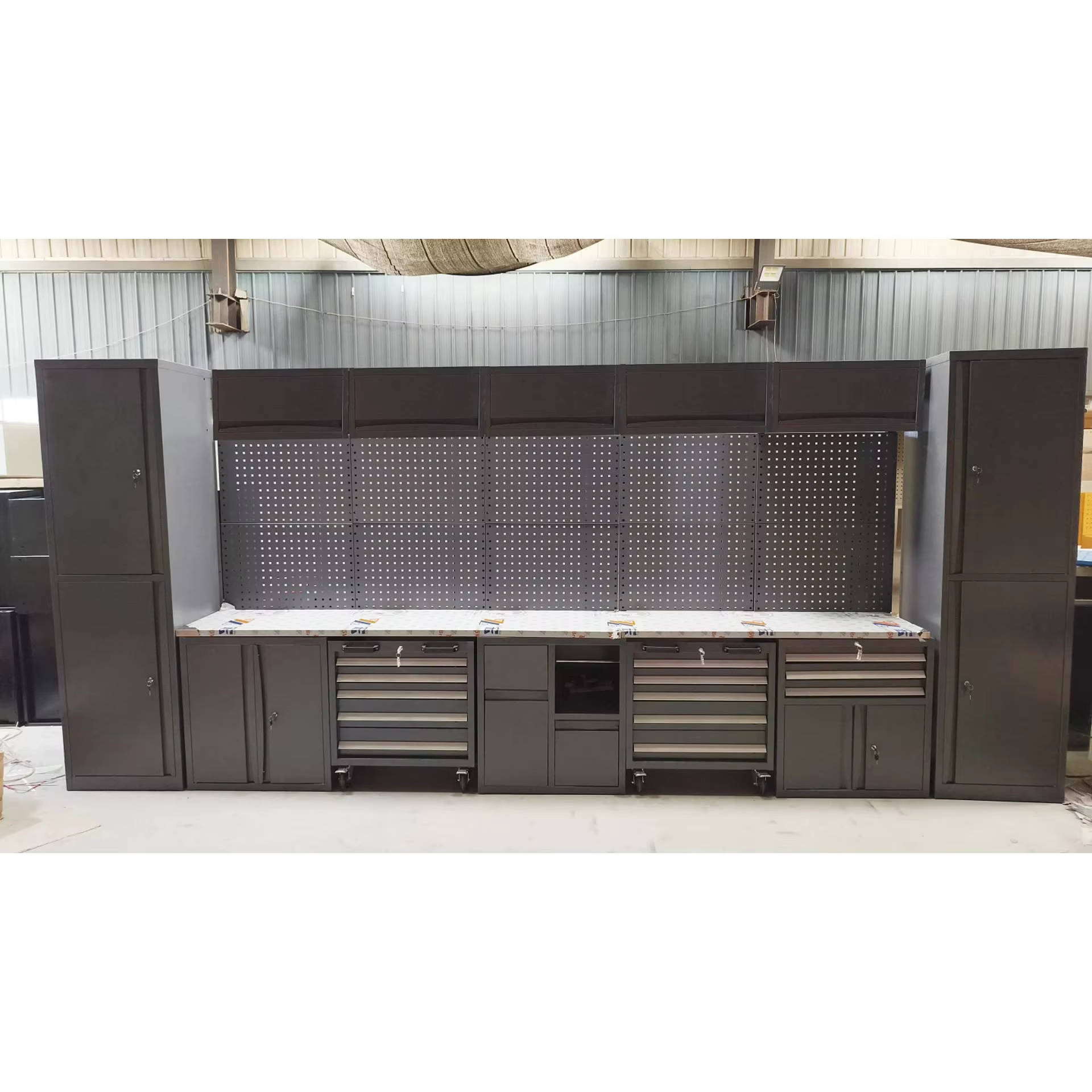
Effective tool storage plays a fundamental role in creating organized, productive workstations across industrial, commercial, and professional environments. When tools are properly organized and easily accessible, workers can focus on their tasks rather than searching for equipment, leading to improved efficiency and reduced downtime. Professional workstations equipped with comprehensive tool storage solutions demonstrate higher productivity rates and maintain better safety standards compared to disorganized spaces.
Modern workstations require systematic approaches to equipment organization that go beyond simple storage boxes or basic shelving units. The integration of specialized tool storage systems creates environments where every item has a designated place, reducing waste and improving workflow efficiency. These organized spaces contribute significantly to workplace safety by eliminating hazards associated with misplaced tools and cluttered work areas.
Essential Components of Effective Tool Storage Systems
Modular Cabinet Solutions
Modular cabinet systems represent the cornerstone of professional tool storage, offering versatility and scalability for diverse workplace requirements. These systems feature adjustable shelving, customizable drawer configurations, and robust construction designed to withstand heavy industrial use. The modular nature allows organizations to expand their storage capacity as tool inventories grow, making them cost-effective long-term investments.
Heavy-duty steel construction ensures durability while providing secure storage for valuable equipment and precision instruments. Modern modular systems incorporate advanced locking mechanisms, powder-coated finishes for corrosion resistance, and ergonomic design features that reduce strain during daily operations. The flexibility of these systems allows customization based on specific tool types, sizes, and access frequency requirements.
Drawer Organization Systems
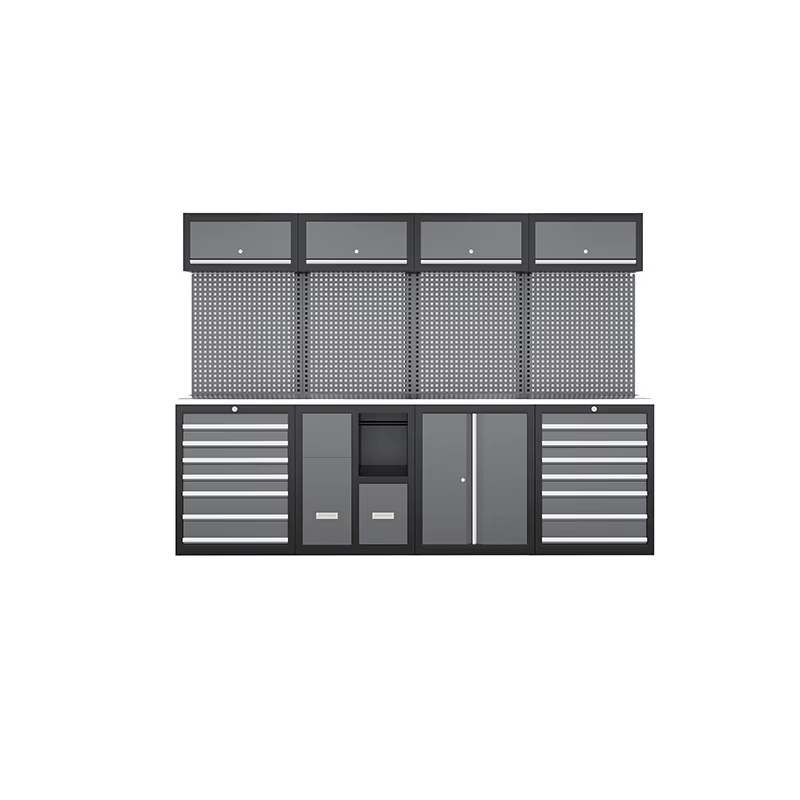
Drawer-based tool storage offers superior organization capabilities through compartmentalized storage solutions that keep items visible and easily accessible. Professional drawer systems feature full-extension slides, adjustable dividers, and soft-close mechanisms that protect both tools and storage units from damage. These systems excel in environments where quick tool identification and retrieval are critical for maintaining productivity.
The implementation of drawer organization systems transforms chaotic tool collections into methodical arrangements where every item occupies a specific location. This systematic approach reduces time spent searching for tools, minimizes loss or misplacement, and enables accurate inventory tracking. Quality drawer systems also incorporate weight distribution features that prevent tipping and ensure safe operation even when fully loaded.
Benefits of Organized Tool Storage for Workplace Productivity
Time Efficiency and Workflow Optimization
Implementing comprehensive tool storage solutions directly impacts workplace efficiency by reducing time spent locating equipment and materials. Studies indicate that organized workstations can improve productivity by up to thirty percent compared to disorganized environments. When workers can immediately access required tools, project completion times decrease while quality standards remain consistent.
Systematic tool storage creates predictable workflows where employees develop muscle memory for equipment locations, further accelerating task completion. This optimization becomes particularly valuable in high-volume production environments or time-sensitive service operations where every minute counts toward profitability and customer satisfaction.
Enhanced Safety and Risk Management
Proper tool storage significantly reduces workplace accidents and safety incidents by eliminating common hazards associated with disorganized workspaces. When tools are securely stored in designated locations, the risk of cuts, falls, or injuries from scattered equipment decreases substantially. Professional storage systems also protect sharp or dangerous tools from accidental contact while maintaining easy access for authorized personnel.
Organized tool storage supports compliance with occupational safety regulations and insurance requirements while reducing liability exposure for employers. Clean, organized workstations demonstrate professional standards that build customer confidence and support quality certifications in regulated industries.
Strategic Implementation of Tool Storage Solutions
Assessment and Planning Strategies
Successful tool storage implementation begins with comprehensive assessment of current equipment inventories, workspace limitations, and operational requirements. This analysis identifies specific storage needs, determines optimal placement locations, and establishes priorities for different tool categories. Professional assessment considers factors such as tool usage frequency, size variations, security requirements, and future expansion possibilities.
Effective planning also incorporates employee input regarding workflow patterns and accessibility preferences, ensuring that new tool storage systems enhance rather than disrupt established operational procedures. This collaborative approach increases adoption rates and maximizes return on storage system investments.
Integration with Existing Infrastructure
Modern tool storage systems must integrate seamlessly with existing workplace infrastructure while providing flexibility for future modifications. This integration considers electrical requirements for lighting or power tool charging stations, ventilation needs for chemical storage, and accessibility requirements that comply with workplace safety standards.
Professional installation ensures proper anchoring, level placement, and secure mounting that prevents accidents while maximizing storage capacity. Integration planning also addresses workflow patterns, ensuring that storage locations support efficient movement between workstations and minimize congestion during peak operational periods.
Industry Applications and Specialized Requirements
Manufacturing and Production Environments
Manufacturing facilities require robust tool storage solutions capable of withstanding harsh industrial conditions while providing quick access to specialized equipment. These environments benefit from heavy-duty steel construction, corrosion-resistant finishes, and modular designs that accommodate diverse tool types from precision measuring instruments to heavy machinery components.
Production environments also require tool storage systems that support inventory tracking, quality control procedures, and preventive maintenance schedules. Advanced storage solutions incorporate identification systems, checkout procedures, and documentation capabilities that ensure accountability and proper equipment maintenance.
Maintenance and Service Operations
Maintenance departments and service operations depend on tool storage systems that enable rapid response to equipment failures and service requests. These applications require mobile storage options, comprehensive organization capabilities, and secure storage for expensive diagnostic equipment and specialized tools.
Service-oriented tool storage must accommodate varied tool collections that change based on specific job requirements while maintaining organization standards that prevent loss or damage. Professional storage solutions for maintenance operations often incorporate tracking systems that monitor tool usage, maintenance schedules, and replacement requirements.
Technology Integration and Modern Features
Digital Tracking and Inventory Management
Contemporary tool storage incorporates digital technologies that enhance organization capabilities through automated inventory tracking, usage monitoring, and maintenance scheduling. These systems utilize RFID tags, barcode scanning, or digital displays that provide real-time information about tool locations, availability, and maintenance requirements.
Technology integration transforms traditional tool storage into intelligent systems that support data-driven decision making regarding equipment purchases, usage patterns, and operational efficiency. These capabilities prove particularly valuable in large organizations where tool inventories span multiple departments and locations.
Security and Access Control Features
Modern tool storage systems incorporate advanced security features that protect valuable equipment while maintaining appropriate access for authorized personnel. These features include electronic locks, access cards, biometric identification, and audit trails that document tool usage and return compliance.
Security integration also addresses theft prevention, accountability measures, and insurance requirements while supporting operational efficiency through streamlined access procedures. Professional security features balance protection with accessibility, ensuring that legitimate users can quickly access required tools without compromising security standards.
Return on Investment and Cost Considerations
Financial Benefits of Organized Tool Storage
Investment in professional tool storage delivers measurable financial returns through reduced tool replacement costs, improved productivity, and decreased downtime. Organizations typically recover storage system costs within twelve to eighteen months through savings generated by improved efficiency and reduced equipment loss.
Additional financial benefits include reduced insurance premiums due to improved safety records, lower training costs for new employees working in organized environments, and increased equipment lifespan resulting from proper storage conditions. These cumulative savings often exceed initial investment costs by significant margins over the useful life of storage systems.
Long-term Value and Durability
Quality tool storage systems provide decades of reliable service when properly maintained, making them excellent long-term investments for growing organizations. Heavy-duty construction, modular expansion capabilities, and standardized components ensure that storage systems adapt to changing requirements without requiring complete replacement.
Professional-grade tool storage maintains functionality and appearance over extended periods, supporting consistent organization standards that reinforce workplace culture and operational excellence. This durability provides predictable cost structures and eliminates frequent replacement expenses associated with inferior storage solutions.
FAQ
What factors should be considered when selecting tool storage for industrial workstations
When selecting tool storage for industrial applications, consider tool inventory size and types, workspace dimensions, security requirements, expansion possibilities, and integration with existing infrastructure. Heavy-duty construction, corrosion resistance, and modular design capabilities are essential for industrial environments. Additionally, evaluate access frequency, user ergonomics, and compliance with safety regulations to ensure optimal functionality and long-term value.
How does proper tool storage impact workplace safety and compliance
Proper tool storage significantly enhances workplace safety by eliminating hazards associated with scattered equipment, ensuring secure storage of dangerous tools, and maintaining clear walkways and work areas. Organized storage supports compliance with OSHA regulations, insurance requirements, and industry safety standards while reducing accident rates and liability exposure. Professional storage systems also facilitate safety training and emergency response procedures.
What maintenance requirements are typical for professional tool storage systems
Professional tool storage systems require minimal maintenance when properly installed and used within design specifications. Regular cleaning, periodic lubrication of moving parts, and inspection of locking mechanisms ensure continued functionality. Quality systems feature powder-coated finishes that resist corrosion and wear, reducing maintenance frequency. Drawer slides and hinges may require occasional adjustment, while modular components allow easy replacement of individual elements without system-wide disruption.
How can organizations measure the effectiveness of their tool storage investments
Organizations can measure tool storage effectiveness through productivity metrics such as task completion times, tool retrieval duration, and workplace accident rates. Additional measurements include tool replacement frequency, inventory accuracy, and employee satisfaction surveys. Digital tracking systems provide data on tool usage patterns, maintenance compliance, and cost savings, enabling data-driven evaluation of storage system performance and return on investment calculations.
Table of Contents
- Essential Components of Effective Tool Storage Systems
- Benefits of Organized Tool Storage for Workplace Productivity
- Strategic Implementation of Tool Storage Solutions
- Industry Applications and Specialized Requirements
- Technology Integration and Modern Features
- Return on Investment and Cost Considerations
-
FAQ
- What factors should be considered when selecting tool storage for industrial workstations
- How does proper tool storage impact workplace safety and compliance
- What maintenance requirements are typical for professional tool storage systems
- How can organizations measure the effectiveness of their tool storage investments