
 EN
EN
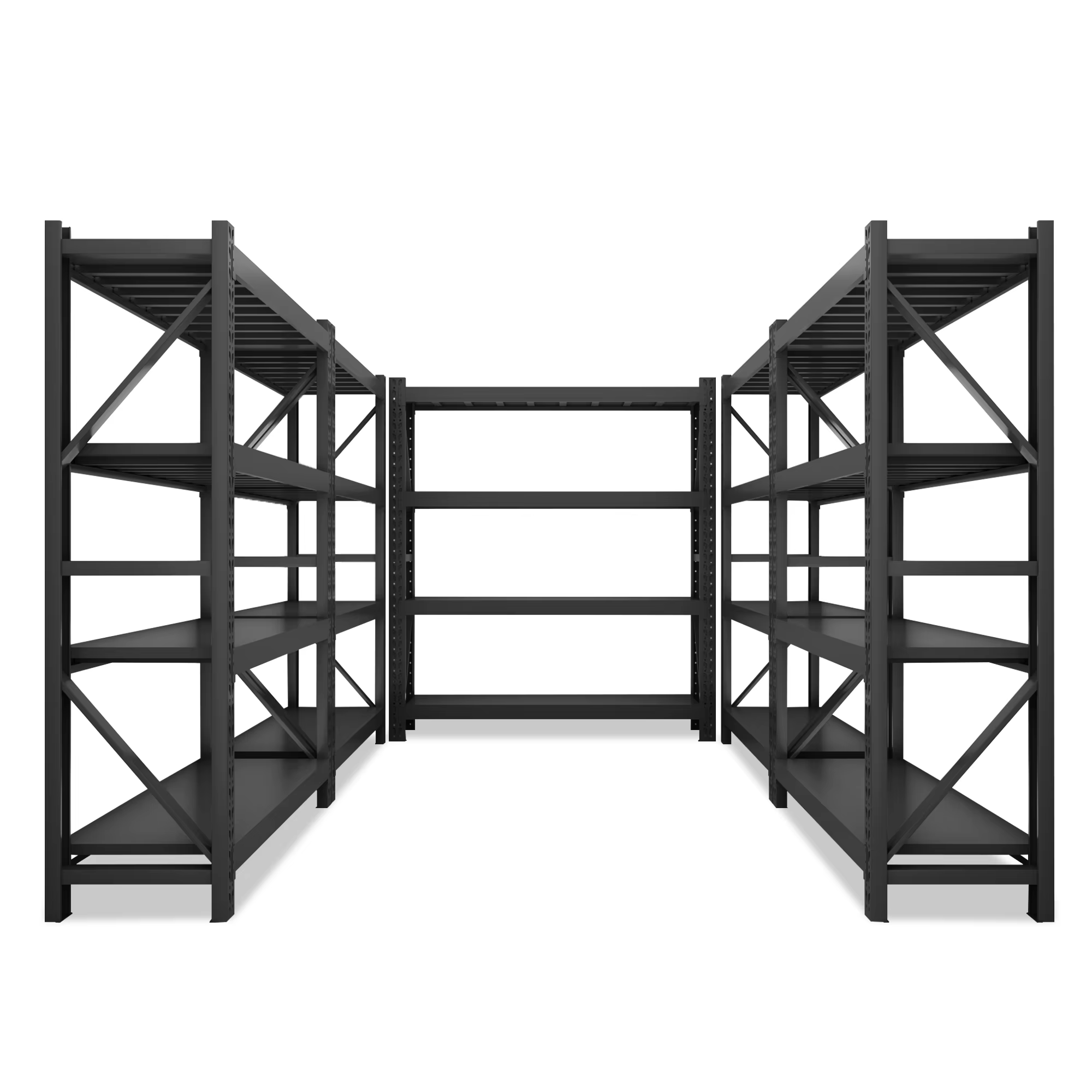
Modern warehouses and offices face increasing pressure to maximize storage efficiency while maintaining organized, accessible inventory systems. Stacking shelves have emerged as a cornerstone solution for businesses seeking to optimize their vertical space utilization and streamline operations. These versatile storage systems offer unprecedented flexibility in organizing everything from industrial components to office supplies, making them indispensable in today's space-conscious commercial environments. The strategic implementation of stacking shelves can transform cluttered storage areas into well-organized, highly functional spaces that support operational excellence and productivity gains.
Understanding the Fundamentals of Stacking Shelf Systems
Core Design Principles and Construction
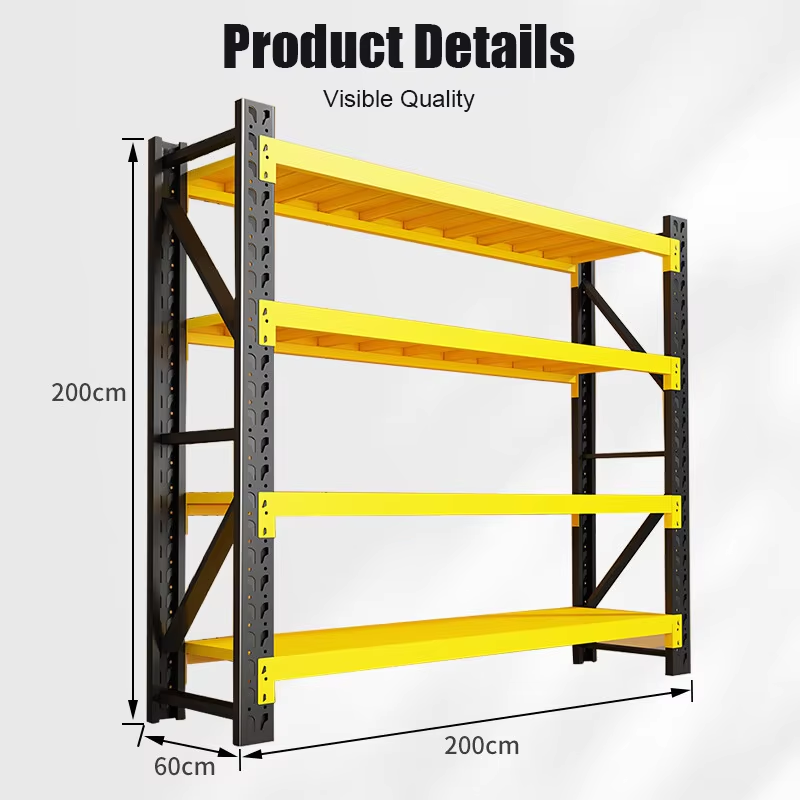
The effectiveness of stacking shelves lies in their modular construction and adaptable design framework. These systems typically feature robust steel frames with adjustable shelf positions, allowing users to customize compartment heights based on specific storage requirements. The engineering behind quality stacking shelves emphasizes load distribution and structural integrity, ensuring safe storage of heavy items while maintaining easy access for daily operations. Professional-grade systems incorporate reinforced joints and premium materials that withstand the rigors of industrial environments.
Advanced stacking shelves incorporate innovative features such as powder-coated finishes for corrosion resistance and anti-slip surfaces for enhanced safety. The modular nature of these systems enables businesses to start with basic configurations and expand vertically or horizontally as storage needs evolve. This scalability makes stacking shelves an intelligent long-term investment for growing organizations that anticipate changing inventory requirements.
Material Selection and Durability Considerations
The selection of appropriate materials plays a crucial role in determining the longevity and performance of stacking shelves. High-quality steel construction provides exceptional strength-to-weight ratios, enabling these systems to support substantial loads while remaining relatively lightweight for installation and reconfiguration. Cold-rolled steel components offer superior dimensional stability and surface finish quality compared to standard alternatives.
Environmental factors significantly influence material selection for stacking shelves installations. Facilities with high humidity levels benefit from galvanized or powder-coated surfaces that resist corrosion and maintain aesthetic appeal over extended periods. Temperature fluctuations and chemical exposure considerations also impact material choices, with specialized coatings and alloys available for demanding industrial applications.
Optimizing Warehouse Storage with Strategic Shelf Placement
Vertical Space Utilization Strategies
Effective warehouse optimization begins with comprehensive assessment of available vertical space and implementation of stacking shelves that maximize cubic footage utilization. Professional storage consultants recommend analyzing ceiling heights, overhead obstructions, and accessibility requirements before finalizing shelf configurations. Strategic placement of taller stacking shelves along perimeter walls creates additional floor space for operational activities while maintaining organized inventory access.
The implementation of zone-based storage strategies using stacking shelves enhances picking efficiency and reduces travel time for warehouse personnel. Fast-moving inventory positioned at optimal heights between waist and shoulder level improves ergonomics and reduces workplace injuries. Slower-moving items can be stored on higher shelves, with appropriate access equipment ensuring safety compliance while maximizing space utilization.
Load Distribution and Weight Management
Proper load distribution across stacking shelves prevents structural stress and ensures long-term system stability. Professional installation guidelines recommend placing heavier items on lower shelves to maintain optimal center of gravity and prevent top-heavy configurations that could compromise safety. Weight capacity calculations must account for both static loads and dynamic forces generated during loading and unloading operations.
Advanced stacking shelves feature reinforced deck construction and adjustable shelf spacing to accommodate varying load requirements. These systems enable precise weight distribution while maintaining accessibility for inventory rotation and stock management procedures. Regular load assessments and shelf adjustments ensure continued compliance with safety standards and optimal system performance.
Office Storage Solutions and Professional Organization
Document Management and File Organization
Office environments benefit significantly from well-designed stacking shelves that accommodate diverse document storage requirements and organizational systems. Modern offices generate substantial volumes of physical documents despite digital transformation initiatives, necessitating efficient filing and retrieval systems. Stacking shelves provide flexible solutions for storing binders, reference materials, and archived documents while maintaining professional appearances in client-facing areas.
The adjustable nature of quality stacking shelves enables customization for standard file boxes, oversized documents, and specialized storage containers. Open shelving designs facilitate quick visual identification of materials while closed systems with doors provide dust protection and enhanced aesthetics. Color-coding systems and labeling integration further improve organization efficiency and document retrieval times.
Equipment Storage and Supply Management
Professional offices require organized storage solutions for technology equipment, office supplies, and maintenance materials. Stacking shelves designed for office environments feature appropriate weight capacities for electronic equipment while providing ventilation and cable management solutions. These systems accommodate everything from backup computers and printers to cleaning supplies and emergency equipment.
Centralized supply storage using stacking shelves reduces procurement costs through bulk purchasing while maintaining inventory visibility and access control. Designated shelf areas for different supply categories prevent overordering and reduce waste through improved inventory tracking. Mobile stacking shelves enable flexible office layouts and temporary storage solutions for project-based work environments.
Installation Considerations and Safety Requirements
Structural Assessment and Foundation Requirements
Successful stacking shelves installation begins with thorough structural assessment of existing facilities and confirmation of adequate foundation support. Professional engineers evaluate floor loading capacities, especially in multi-story facilities where concentrated loads could exceed design specifications. Concrete floors typically provide excellent support for heavy-duty stacking shelves, while suspended floors may require additional reinforcement or load distribution measures.
Seismic considerations play important roles in areas prone to earthquake activity, requiring special anchoring systems and flexible connections for stacking shelves installations. Building codes often specify minimum safety factors and connection requirements for storage systems, particularly in commercial and industrial applications. Professional installation teams ensure compliance with local regulations while optimizing system performance and longevity.
Assembly Procedures and Quality Control
Proper assembly of stacking shelves requires attention to manufacturer specifications and quality control procedures that ensure structural integrity and operational safety. Professional installation teams follow systematic assembly processes that include component inspection, proper tool usage, and verification of connection torque specifications. These procedures prevent common installation errors that could compromise system performance or create safety hazards.
Quality stacking shelves include comprehensive installation documentation and detailed assembly instructions that guide proper construction procedures. Post-installation inspections verify shelf levelness, stability, and load capacity compliance before systems enter service. Regular maintenance schedules and inspection protocols help identify potential issues before they impact operations or safety performance.
Maintenance and Long-term Performance Optimization
Preventive Maintenance Protocols
Implementing comprehensive maintenance protocols extends the operational life of stacking shelves while ensuring continued safety and performance. Regular inspection schedules should include visual assessments of structural components, connection integrity, and surface condition evaluation. Professional maintenance teams identify early signs of wear, corrosion, or damage that could compromise system reliability or user safety.
Cleaning procedures for stacking shelves vary based on environmental conditions and stored materials, with industrial applications typically requiring more frequent maintenance than office environments. Proper cleaning techniques preserve protective coatings while removing contaminants that could accelerate deterioration. Lubrication of adjustable components ensures smooth operation and prevents premature wear of moving parts.
System Upgrades and Capacity Expansion
The modular design of modern stacking shelves enables systematic upgrades and capacity expansions that adapt to changing business requirements. Organizations can add vertical sections, install additional shelving levels, or integrate specialized accessories without complete system replacement. This flexibility provides excellent return on investment while supporting business growth and operational evolution.
Technology integration opportunities for stacking shelves include inventory tracking systems, automated retrieval mechanisms, and environmental monitoring equipment. These enhancements improve operational efficiency while providing valuable data for inventory management and space utilization optimization. Professional consultation helps identify upgrade opportunities that align with organizational objectives and budget constraints.
Cost-Benefit Analysis and Return on Investment
Initial Investment Considerations
The financial analysis of stacking shelves implementations requires comprehensive evaluation of initial costs, installation expenses, and long-term operational benefits. Quality systems represent significant upfront investments that deliver substantial returns through improved storage density, operational efficiency, and reduced labor requirements. Comparative analysis between basic and premium stacking shelves helps organizations select appropriate systems that balance performance requirements with budget constraints.
Financing options for large-scale stacking shelves installations include equipment leasing, bulk purchasing agreements, and phased implementation strategies that spread costs over multiple budget periods. Professional vendors often provide comprehensive quotations that include delivery, installation, and warranty coverage to simplify procurement processes and ensure accurate cost projections.
Operational Savings and Productivity Gains
Well-designed stacking shelves generate measurable operational savings through reduced inventory handling time, improved space utilization, and decreased facility requirements. Organizations typically experience immediate productivity improvements following installation as employees spend less time locating and retrieving stored items. These efficiency gains translate to reduced labor costs and improved customer service capabilities.
Long-term benefits of quality stacking shelves include reduced inventory shrinkage through better organization, lower insurance premiums due to improved safety records, and enhanced facility values through professional storage infrastructure. These indirect benefits often exceed direct operational savings while contributing to overall business competitiveness and growth potential.
FAQ
What weight capacity should I expect from commercial-grade stacking shelves?
Commercial-grade stacking shelves typically support between 500 to 2000 pounds per shelf level, depending on construction materials and design specifications. Heavy-duty industrial systems can accommodate even higher loads with proper installation and appropriate load distribution. Always consult manufacturer specifications and consider both static and dynamic loading conditions when determining capacity requirements for your specific application.
How do I determine the optimal shelf spacing for my storage requirements?
Optimal shelf spacing depends on the dimensions of stored items plus necessary clearance for safe handling and removal. Generally, allow 2-3 inches of clearance above stored items for easy access while minimizing wasted vertical space. Adjustable stacking shelves provide flexibility to modify spacing as storage requirements change, making them ideal for dynamic inventory environments.
Are stacking shelves suitable for earthquake-prone regions?
Quality stacking shelves can be safely installed in seismic zones when properly anchored and configured according to local building codes. Seismic-rated systems include specialized connections, flexible joints, and base anchoring systems that maintain structural integrity during ground motion events. Professional engineering consultation ensures compliance with regional safety requirements and optimal system performance.
What maintenance is required to keep stacking shelves in optimal condition?
Regular maintenance for stacking shelves includes monthly visual inspections, quarterly cleaning procedures, and annual structural assessments by qualified personnel. Check for loose connections, surface damage, and proper load distribution during routine inspections. Professional maintenance services can provide comprehensive assessments and preventive care programs that maximize system longevity and safety performance.
Table of Contents
- Understanding the Fundamentals of Stacking Shelf Systems
- Optimizing Warehouse Storage with Strategic Shelf Placement
- Office Storage Solutions and Professional Organization
- Installation Considerations and Safety Requirements
- Maintenance and Long-term Performance Optimization
- Cost-Benefit Analysis and Return on Investment
- FAQ