
 EN
EN
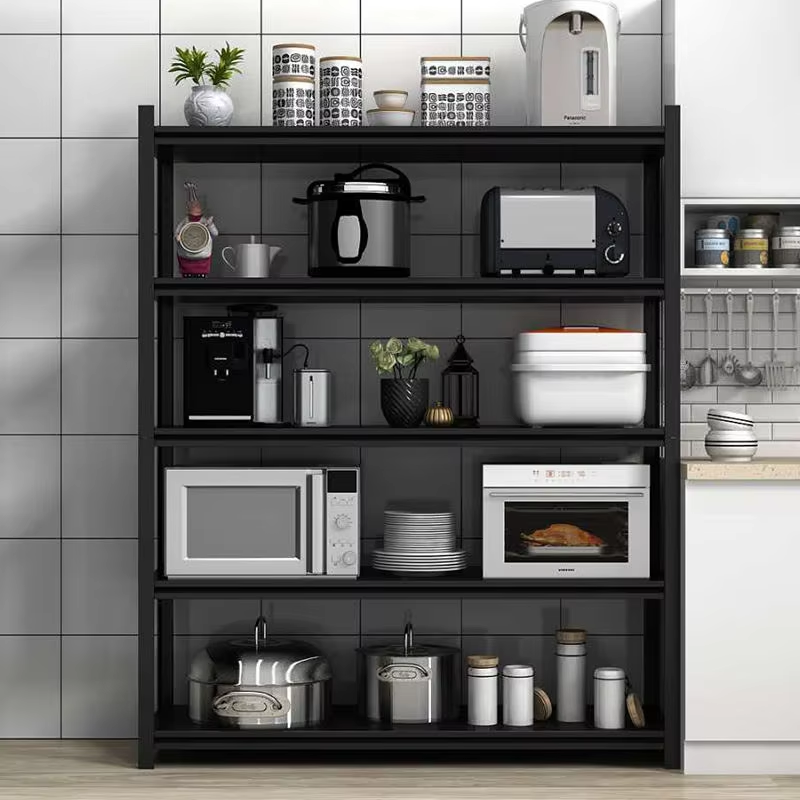
Sourcing high-quality stacking racks from reliable manufacturers requires careful consideration of multiple factors including material specifications, load capacity, and supplier credibility. These versatile storage solutions have become essential components in modern warehouses, distribution centers, and manufacturing facilities where efficient space utilization directly impacts operational profitability. The selection process involves evaluating technical requirements, understanding industry standards, and establishing partnerships with manufacturers who consistently deliver products that meet stringent quality benchmarks.
Understanding Manufacturing Standards for Storage Solutions
Material Quality Assessment
Professional manufacturers of stacking racks utilize premium-grade steel with specific tensile strength ratings to ensure structural integrity under heavy loads. The welding techniques employed must comply with international standards such as AWS D1.1 for structural welding, guaranteeing that joints maintain their strength throughout the product lifecycle. Surface treatments including powder coating or galvanization provide corrosion resistance, extending the operational lifespan of stacking racks in demanding industrial environments.
Quality control protocols implemented by reputable manufacturers include non-destructive testing methods such as magnetic particle inspection and ultrasonic testing to identify potential structural weaknesses before products reach customers. These comprehensive evaluation processes ensure that every unit meets the specified load ratings and safety requirements essential for industrial applications.
Load Capacity Certification
Reliable manufacturers provide detailed load capacity documentation that includes both static and dynamic weight ratings for their stacking racks. This information must be backed by engineering calculations and testing protocols that demonstrate compliance with relevant safety standards. The certification process involves subjecting sample units to stress tests that exceed normal operating conditions, providing confidence in the product's performance under real-world applications.
Documentation should include detailed specifications regarding weight distribution patterns, maximum stacking heights, and environmental considerations that may affect load capacity. Professional manufacturers maintain comprehensive records of testing procedures and results, making this information readily available to customers during the procurement process.
Evaluation Criteria for Manufacturer Selection
Production Facility Assessment
Evaluating the manufacturing capabilities of potential suppliers involves examining their production facilities, equipment quality, and workforce expertise. Modern fabrication equipment including CNC machining centers and automated welding systems indicates a manufacturer's commitment to precision and consistency in producing stacking racks. The facility layout should demonstrate efficient workflow management and quality control checkpoints throughout the manufacturing process.
Site visits or virtual facility tours provide valuable insights into the manufacturer's operational practices and quality management systems. Certifications such as ISO 9001 demonstrate adherence to internationally recognized quality management principles, while industry-specific certifications validate expertise in manufacturing storage solutions.
Supply Chain Management
Effective supply chain management ensures consistent material quality and on-time delivery of stacking racks. Manufacturers with established relationships with steel suppliers and comprehensive inventory management systems can better respond to customer requirements and market fluctuations. The ability to trace materials from source to finished product provides transparency and accountability throughout the manufacturing process.
Robust supply chain capabilities include contingency planning for material shortages, alternative supplier networks, and inventory management systems that support both standard and custom stacking rack configurations. These factors directly impact delivery schedules and product availability, making them critical considerations in manufacturer selection.
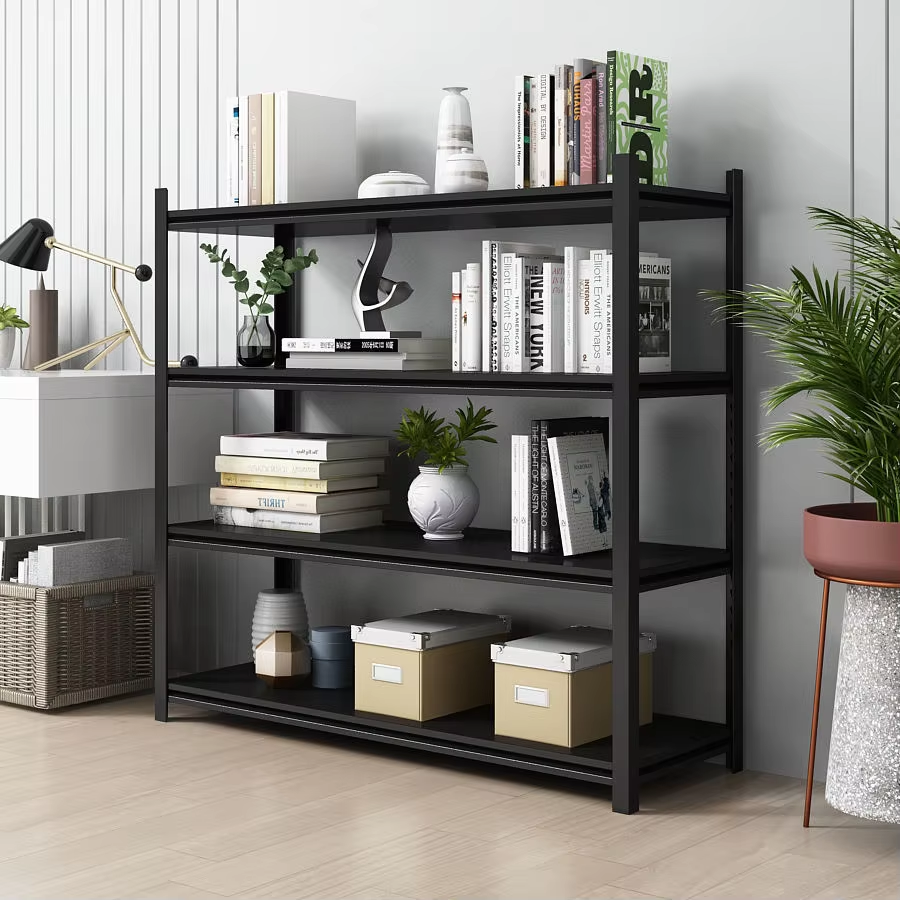
Technical Specifications and Customization Options
Design Flexibility
Leading manufacturers of stacking racks offer comprehensive customization options to meet specific application requirements. This includes adjustable shelf configurations, specialized mounting hardware, and dimensional modifications that optimize storage efficiency for particular product types. The engineering team's ability to provide technical support during the design phase ensures that custom solutions meet both functional and safety requirements.
Advanced manufacturers utilize computer-aided design software to create detailed drawings and renderings that help customers visualize proposed stacking rack configurations before production begins. This collaborative approach minimizes errors and ensures that the final product meets all specified requirements while maintaining structural integrity and safety standards.
Modular System Integration
Modern stacking racks often incorporate modular design principles that allow for future expansion and reconfiguration as operational needs evolve. Manufacturers who understand these requirements design products with standardized connection points and compatible accessories that facilitate system growth. This forward-thinking approach provides long-term value by accommodating changing storage requirements without requiring complete system replacement.
Integration capabilities extend to compatibility with material handling equipment such as forklifts, conveyor systems, and automated storage and retrieval systems. Manufacturers with experience in these applications can provide guidance on optimal configurations that enhance operational efficiency while maintaining safety standards.
Quality Assurance and Testing Protocols
Performance Validation
Comprehensive testing protocols employed by reputable manufacturers include static load testing, dynamic load testing, and fatigue testing to validate the performance characteristics of stacking racks under various operating conditions. These tests simulate real-world usage patterns and provide data that supports published load ratings and safety factors. The testing equipment and procedures must be calibrated and certified to ensure accuracy and reliability of results.
Performance validation extends beyond structural testing to include functionality assessments such as ease of assembly, adjustability mechanisms, and compatibility with material handling equipment. This holistic approach ensures that stacking racks not only meet safety requirements but also provide optimal user experience and operational efficiency.
Documentation and Traceability
Professional manufacturers maintain detailed documentation for each batch of stacking racks produced, including material certifications, welding records, and quality inspection results. This traceability system enables rapid identification and resolution of any quality issues that may arise during product use. The documentation package provided to customers should include assembly instructions, load capacity charts, and maintenance recommendations.
Digital record-keeping systems facilitate quick access to historical data and enable manufacturers to identify trends or patterns that may indicate opportunities for product improvement. This continuous improvement approach demonstrates commitment to quality and customer satisfaction while supporting long-term product reliability.
Cost Analysis and Value Engineering
Total Cost of Ownership
Evaluating the total cost of ownership for stacking racks involves considering initial purchase price, installation costs, maintenance requirements, and expected service life. While lower-priced options may appear attractive initially, they often result in higher long-term costs due to premature failure, increased maintenance needs, or safety incidents. Reputable manufacturers provide transparent pricing that reflects the true value of their products including engineering support, quality materials, and comprehensive testing.
Value engineering analysis helps identify opportunities to optimize stacking rack designs for specific applications while maintaining required performance characteristics. This collaborative process between manufacturer and customer can result in cost savings without compromising quality or safety standards.
Return on Investment
High-quality stacking racks contribute to improved warehouse efficiency through better space utilization, reduced product damage, and enhanced safety performance. These operational benefits translate to measurable return on investment through reduced labor costs, improved inventory management, and decreased insurance premiums. Manufacturers who understand these value propositions can provide data and case studies that demonstrate the financial benefits of investing in quality storage solutions.
The durability and reliability of well-manufactured stacking racks result in lower replacement frequencies and reduced downtime for maintenance or repairs. This predictable performance supports more accurate budgeting and planning for facility operations while maintaining consistent service levels for customers.
Supplier Relationship Management
Communication and Support
Establishing effective communication channels with stacking rack manufacturers ensures smooth project execution and ongoing support throughout the product lifecycle. Responsive customer service teams who understand both technical specifications and application requirements can provide valuable assistance during selection, installation, and operation phases. Regular communication helps identify potential issues early and facilitates proactive solutions that minimize operational disruptions.
Technical support capabilities should include engineering consultation, installation guidance, and troubleshooting assistance when needed. Manufacturers who invest in comprehensive support infrastructure demonstrate commitment to customer success beyond the initial sale, fostering long-term partnerships that benefit both parties.
Warranty and Service Programs
Comprehensive warranty programs reflect manufacturer confidence in their stacking racks and provide customers with protection against defects or premature failure. The warranty terms should clearly define coverage periods, included services, and procedures for claiming warranty support. Extended warranty options may be available for critical applications where downtime costs are particularly high.
Service programs that include preventive maintenance recommendations, spare parts availability, and technical training help customers maximize the value and lifespan of their stacking rack investments. These programs often include regular inspections and performance assessments that identify potential issues before they impact operations.
FAQ
What certifications should I look for when selecting stacking rack manufacturers
Look for ISO 9001 quality management certification, which demonstrates adherence to international quality standards. Additionally, seek manufacturers with industry-specific certifications such as RMI (Rack Manufacturers Institute) membership, which indicates compliance with storage equipment industry standards. Welding certifications according to AWS standards and facility certifications for safety management systems also indicate professional manufacturing practices.
How do I verify the load capacity ratings for stacking racks
Request detailed engineering documentation that includes test reports, calculations, and certification from independent testing laboratories. Reputable manufacturers provide comprehensive load capacity charts that specify both uniformly distributed loads and concentrated loads. The documentation should include safety factors and testing protocols used to validate the published ratings, ensuring compliance with relevant industry standards.
What factors affect the lead time for custom stacking rack orders
Lead times depend on design complexity, material availability, production capacity, and current order backlog at the manufacturing facility. Custom stacking racks typically require additional time for engineering review, drawing approval, and specialized fabrication processes. Manufacturers with efficient project management systems and adequate production capacity can provide more accurate delivery schedules and better accommodate urgent requirements.
How can I ensure consistent quality across multiple stacking rack orders
Establish detailed specifications that include material grades, welding standards, surface treatments, and dimensional tolerances. Implement incoming inspection procedures that verify compliance with these specifications for each shipment. Work with manufacturers who maintain statistical process control systems and can provide quality documentation for each production batch, ensuring consistency across multiple orders and delivery dates.