
 EN
EN
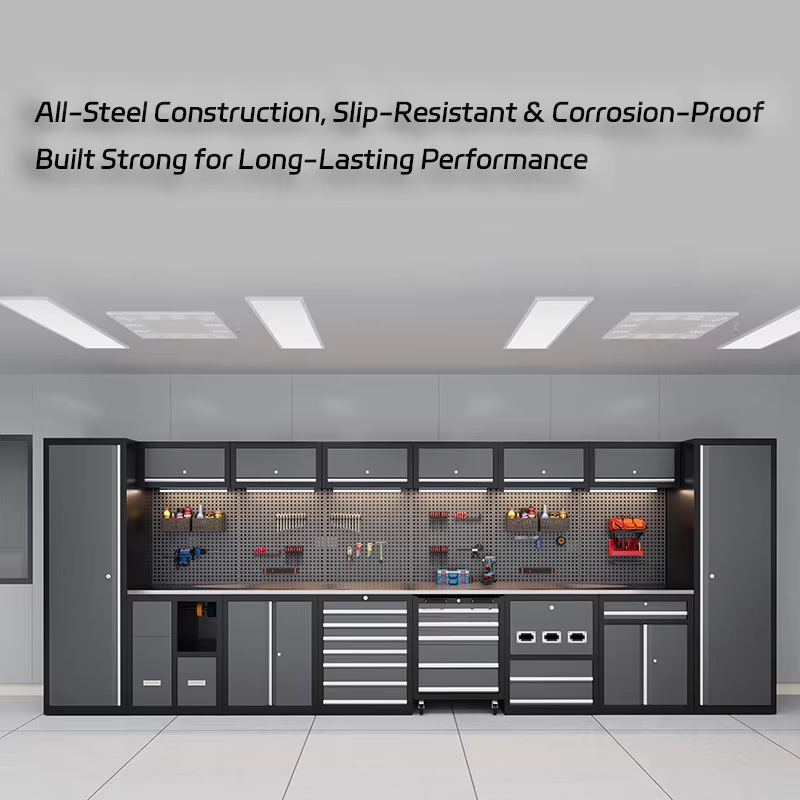
Workshop safety management represents one of the most critical aspects of industrial operations, with proper tool storage serving as the cornerstone of accident prevention and operational efficiency. Professional workshops across manufacturing, automotive, and construction industries recognize that inadequate tool storage directly contributes to workplace injuries, equipment damage, and significant productivity losses. When tools are scattered, improperly stored, or difficult to access, workers face increased risks of cuts, falls, and equipment-related accidents that could have been easily prevented through systematic storage solutions.
The relationship between organized tool storage and workplace safety extends far beyond simple organization principles. Research conducted by occupational safety organizations consistently demonstrates that workplaces with structured storage systems experience up to 60% fewer tool-related incidents compared to environments where tools are stored haphazardly. This dramatic reduction in accidents stems from improved visibility, reduced handling time, and elimination of hazardous searching behaviors that often lead to injuries. Modern industrial facilities increasingly invest in comprehensive tool storage solutions as part of their broader safety management strategies.
Fundamental Principles of Safe Tool Storage Systems
Strategic Organization and Accessibility
Effective tool storage begins with strategic organization that prioritizes both accessibility and safety protocols. Professional workshops implement systematic approaches where frequently used tools occupy easily accessible positions, while specialized or hazardous equipment receives secure storage with appropriate safety measures. This organizational strategy reduces the time workers spend searching for tools, minimizing exposure to potential hazards and maintaining consistent workflow patterns. The principle of accessibility ensures that workers can retrieve and return tools without awkward reaching, climbing, or maneuvering that increases accident risks.
Advanced tool storage systems incorporate visual management techniques that allow immediate identification of missing or misplaced tools. Shadow boards, color-coded storage areas, and clearly labeled compartments create an environment where tool storage becomes intuitive and self-maintaining. These visual cues help workers quickly identify when tools are out of place, encouraging immediate corrective action that prevents tools from becoming safety hazards scattered throughout the workspace.
Segregation of Hazardous and Standard Tools
Professional tool storage systems implement strict segregation protocols that separate hazardous tools from standard equipment based on safety risk assessments. Sharp cutting tools, electrical equipment, and chemical applicators require specialized storage compartments with additional safety features such as locking mechanisms, cushioned interiors, and protective barriers. This segregation approach prevents accidental contact with dangerous tools and ensures that workers consciously engage appropriate safety procedures when accessing high-risk equipment.
The segregation principle extends to power tools and hand tools, with different storage requirements based on size, weight, and operational characteristics. Heavy tools need robust support systems that prevent falling hazards, while delicate precision instruments require protective storage that maintains calibration and prevents damage. Implementing proper segregation reduces the likelihood of tool damage, maintains equipment longevity, and creates clear safety protocols for different tool categories.
Impact of Disorganized Tool Storage on Workplace Safety
Direct Injury Risks and Accident Patterns
Disorganized tool storage creates numerous direct pathways to workplace injuries that experienced safety managers work diligently to eliminate. Loose tools on work surfaces become projectiles during equipment operation, sharp tools left exposed create cutting hazards, and improperly stored heavy tools can fall and cause serious injuries. Statistical analysis of workplace accidents reveals that approximately 25% of tool-related injuries stem directly from improper storage practices rather than tool operation itself.
The most common injury patterns associated with poor tool storage include cuts from exposed blades, bruises and fractures from falling tools, and back injuries from improper lifting when retrieving tools from inadequate storage locations. Workers forced to search through cluttered tool areas frequently sustain puncture wounds from hidden sharp objects or strain injuries from awkward positioning required to access improperly stored equipment. These predictable injury patterns demonstrate the critical importance of implementing systematic tool storage solutions.
Operational Inefficiencies and Hidden Safety Costs
Beyond immediate injury risks, disorganized tool storage creates operational inefficiencies that compound safety hazards through increased worker stress, rushing behaviors, and compromised attention to safety protocols. Workers spending excessive time searching for tools often develop rushing behaviors to compensate for lost productivity, leading to increased accident rates and reduced adherence to safety procedures. Time pressure created by inefficient tool storage frequently causes workers to skip important safety checks or use inappropriate substitute tools that increase hazard exposure.
The hidden costs of poor tool storage extend to equipment damage, replacement expenses, and reduced tool lifespan caused by improper storage conditions. When tools suffer damage from inadequate storage, workers may continue using compromised equipment that poses additional safety risks. Damaged tools require more force to operate effectively, increasing worker fatigue and the likelihood of accidents caused by tool failure or unexpected behavior during use.
Essential Components of Professional Tool Storage Solutions
Modular Storage Systems and Flexibility
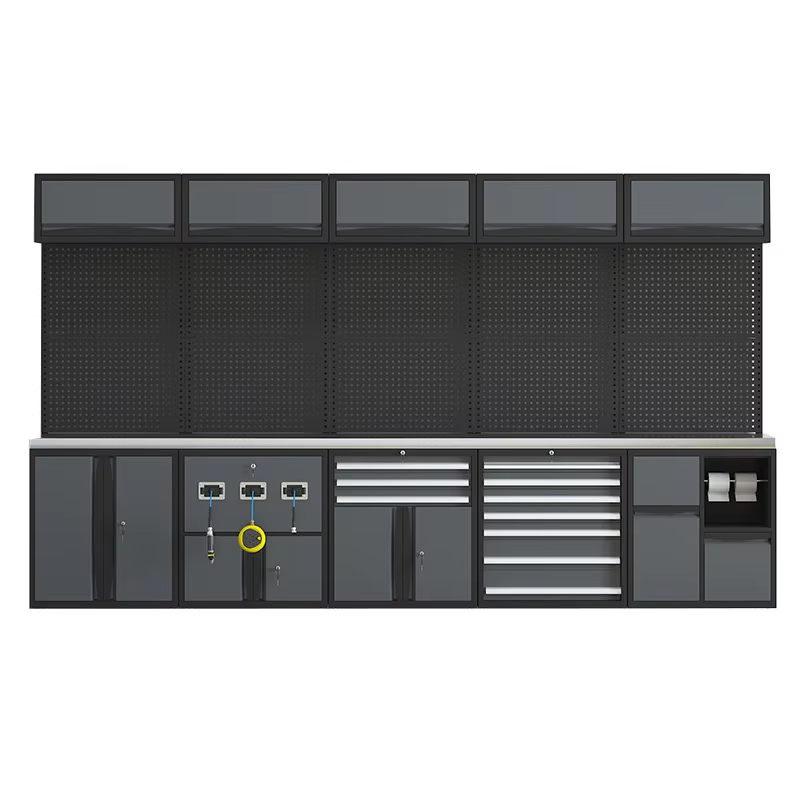
Professional workshop environments benefit significantly from modular tool storage systems that adapt to changing equipment needs and workspace configurations. Modular designs allow workshops to expand, reconfigure, or specialize storage areas without complete system replacement, ensuring that safety standards maintain consistency even as operational requirements evolve. These flexible systems accommodate different tool sizes, shapes, and safety requirements while maintaining organized accessibility that supports safe working practices.
The modular approach to tool storage enables workshops to implement specialized storage solutions for different work areas or project types without creating isolated storage islands that compromise overall organization. Interconnected modular units maintain visual consistency and organizational logic that helps workers navigate tool storage systems intuitively, reducing the cognitive load associated with tool retrieval and return procedures that can distract from safety awareness.
Security and Access Control Features
Advanced tool storage systems incorporate security and access control features that prevent unauthorized tool access while maintaining efficient workflow for authorized personnel. Locking mechanisms, keycard access systems, and tool checkout procedures create accountability frameworks that ensure tools receive appropriate handling and storage. These security measures particularly benefit workshops with valuable or dangerous tools that require restricted access based on training levels or authorization status.
Access control features also provide valuable data about tool usage patterns, maintenance schedules, and potential safety issues related to specific equipment. Digital access systems can track when tools are removed and returned, identify overdue returns that might indicate lost or damaged equipment, and generate reports about tool storage compliance that support continuous safety improvement initiatives.
Integration with Overall Workshop Safety Management
Tool Storage as Part of Comprehensive Safety Protocols
Effective tool storage systems function as integral components of comprehensive workshop safety management programs rather than standalone organizational solutions. Integration with broader safety protocols ensures that tool storage practices align with emergency procedures, maintenance schedules, and safety training programs that create cohesive safety cultures. This integrated approach helps workers understand how proper tool storage contributes to overall workplace safety rather than viewing it as an isolated requirement.
The integration process involves connecting tool storage procedures with incident reporting systems, safety audits, and continuous improvement programs that identify opportunities for enhanced safety performance. Regular evaluation of tool storage effectiveness in preventing accidents provides valuable feedback that guides system improvements and ensures that storage solutions continue meeting evolving safety requirements as workshops grow and change.
Training and Cultural Development
Successful implementation of professional tool storage systems requires comprehensive training programs that help workers understand the safety rationale behind organizational requirements. Training programs that explain the connection between proper tool storage and accident prevention create buy-in that supports consistent compliance with storage procedures. Workers who understand how tool storage contributes to their personal safety and the safety of colleagues demonstrate higher levels of engagement with organizational systems.
Cultural development around tool storage involves recognizing and rewarding exemplary storage practices, addressing storage compliance issues promptly, and continuously reinforcing the importance of organized tool management. Leadership commitment to tool storage standards demonstrates organizational priorities and creates accountability frameworks that support long-term success in maintaining safe, organized workshop environments.
Technology and Innovation in Modern Tool Storage
Smart Storage Systems and Digital Integration
Contemporary tool storage solutions increasingly incorporate smart technology features that enhance safety monitoring and operational efficiency beyond traditional organizational benefits. Digital inventory systems track tool locations in real-time, automated alerts notify supervisors about overdue returns, and usage analytics identify patterns that might indicate safety concerns or maintenance needs. These technological enhancements create data-driven approaches to tool storage management that support proactive safety interventions.
Smart storage systems also integrate with broader facility management platforms, connecting tool storage data with maintenance schedules, safety inspections, and operational planning systems. This integration provides comprehensive visibility into how tool storage practices impact overall workshop safety performance and enables data-driven decisions about system improvements or expansions that enhance safety outcomes.
Ergonomic Design and Worker Health Considerations
Modern tool storage design emphasizes ergonomic principles that reduce physical stress and promote healthy working postures during tool retrieval and storage activities. Height-adjustable storage systems, angled storage compartments, and easy-grip handles minimize reaching, bending, and lifting motions that contribute to musculoskeletal injuries. Ergonomic design considerations ensure that tool storage practices support worker health rather than creating additional physical stress that compounds safety risks.
The ergonomic approach to tool storage extends to visual design elements that reduce eye strain and cognitive load associated with tool identification and selection. High-contrast labeling, intuitive organization logic, and adequate lighting integration help workers navigate storage systems efficiently without developing visual fatigue that might compromise attention to safety details during subsequent work activities.
FAQ
How does proper tool storage directly reduce workplace accidents
Proper tool storage reduces workplace accidents by eliminating common hazard sources such as loose tools that can fall or become projectiles, exposed sharp edges that cause cuts, and cluttered work areas that lead to trips and falls. Organized storage systems ensure tools are secured when not in use, easily accessible without dangerous reaching or climbing, and properly maintained to prevent tool failure during operation. Studies show that workplaces with systematic tool storage experience significantly fewer tool-related injuries compared to disorganized environments.
What are the key features to look for in a professional tool storage system
Professional tool storage systems should include modular design for flexibility, robust construction to handle heavy tools safely, secure locking mechanisms for valuable or dangerous equipment, and clear organization systems with visual management features. Additional important features include ergonomic design that prevents strain during access, segregated storage for different tool types, and integration capabilities with existing workshop management systems. The best systems also provide easy maintenance access and expansion possibilities as tool collections grow.
How often should tool storage systems be evaluated for safety compliance
Tool storage systems should undergo formal safety evaluations at least quarterly, with informal daily and weekly checks integrated into routine workplace inspections. Monthly assessments should focus on storage system condition, organization compliance, and identification of emerging safety concerns. Annual comprehensive reviews should evaluate system effectiveness, expansion needs, and integration with evolving safety protocols. Any significant workplace changes, new tool acquisitions, or safety incidents should trigger immediate storage system evaluation and potential modifications.
What role does employee training play in effective tool storage safety management
Employee training serves as the foundation for effective tool storage safety management by ensuring workers understand proper storage procedures, safety rationales, and their individual responsibilities in maintaining organized systems. Comprehensive training programs should cover tool identification, proper storage techniques, safety protocols for different tool types, and procedures for reporting storage-related safety concerns. Regular refresher training reinforces good habits and addresses evolving safety requirements, while new employee orientation must include thorough tool storage training before independent work authorization.