
 EN
EN
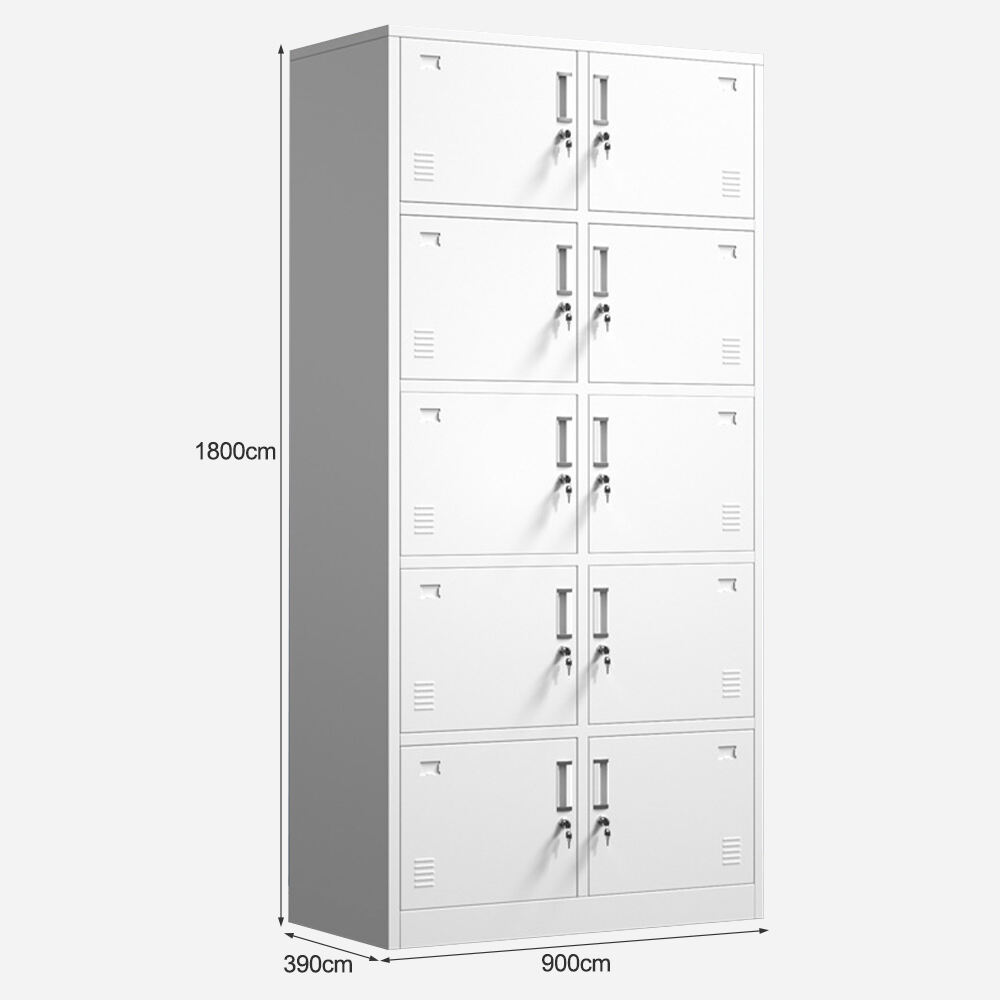
Commercial environments demand storage solutions that can withstand years of heavy use while maintaining both functionality and appearance. When selecting storage systems for schools, offices, gyms, or industrial facilities, understanding which durable locker materials provide the best long-term value becomes crucial for facility managers and procurement specialists. The choice of material directly impacts maintenance costs, replacement frequency, and overall user satisfaction throughout the product's lifecycle.
Steel Construction Excellence
Cold-Rolled Steel Advantages
Cold-rolled steel represents the gold standard among durable locker materials for commercial applications. This manufacturing process creates a smoother surface finish while increasing the steel's strength and dimensional accuracy. The cold-rolling technique compresses the metal under tremendous pressure, resulting in enhanced structural integrity that resists warping and maintains precise tolerances over extended periods. Commercial facilities benefit from this material's exceptional resistance to impact damage, making it ideal for high-traffic environments where lockers face constant use.
The inherent strength of cold-rolled steel allows manufacturers to create thinner gauge materials without sacrificing durability. This optimization reduces overall weight while maintaining structural performance, facilitating easier installation and potential cost savings in shipping. Additionally, the smooth surface finish achieved through cold-rolling provides an excellent foundation for various coating systems, ensuring superior paint adhesion and long-lasting aesthetic appeal in commercial settings.
Galvanized Steel Protection
Galvanization adds another layer of protection to already robust steel construction, making it one of the most durable locker materials available for harsh environments. The zinc coating applied during galvanization creates a sacrificial barrier that prevents rust formation even when the surface experiences minor scratches or wear. This self-healing characteristic proves invaluable in commercial applications where lockers encounter frequent contact with metal objects, keys, and other potentially damaging items.
Hot-dip galvanizing provides superior corrosion resistance compared to electroplating methods, ensuring decades of reliable service in moisture-prone environments. Schools with swimming pools, industrial facilities with high humidity, or outdoor installations benefit significantly from galvanized steel's protective properties. The zinc coating also serves as an excellent primer base for powder coating systems, creating a multi-layered defense against environmental factors that typically degrade lesser materials.
Advanced Coating Systems
Powder Coating Durability
Modern powder coating technology transforms already durable locker materials into virtually maintenance-free storage solutions for commercial environments. Unlike traditional liquid paints, powder coatings create a thick, uniform finish that resists chipping, scratching, and fading under normal commercial use. The electrostatic application process ensures complete coverage of complex surfaces, including corners, edges, and recessed areas where traditional coatings might fail over time.
The curing process for powder coatings involves high-temperature baking that creates cross-linked polymer chains, resulting in a finish significantly harder than conventional paint systems. This enhanced durability translates to reduced maintenance costs and extended service life in demanding commercial applications. Color stability under fluorescent lighting and UV exposure makes powder-coated durable locker materials particularly suitable for educational facilities and office environments where aesthetic consistency matters.
Antimicrobial Coating Technologies
Healthcare facilities, food service establishments, and educational institutions increasingly specify antimicrobial coatings as essential features of durable locker materials. These specialized coatings incorporate silver ion technology or copper-based compounds that actively inhibit bacterial and fungal growth on locker surfaces. The antimicrobial properties remain effective throughout the coating's lifespan, providing continuous protection without requiring special maintenance procedures or cleaning protocols.
Testing standards such as JIS Z 2801 and ISO 22196 validate the effectiveness of antimicrobial coatings, providing facility managers with documented proof of performance. These coatings work synergistically with traditional powder coating systems, maintaining all the durability benefits while adding crucial hygiene protection. Commercial facilities implementing antimicrobial durable locker materials often report reduced cleaning frequency and improved user confidence in shared storage facilities.
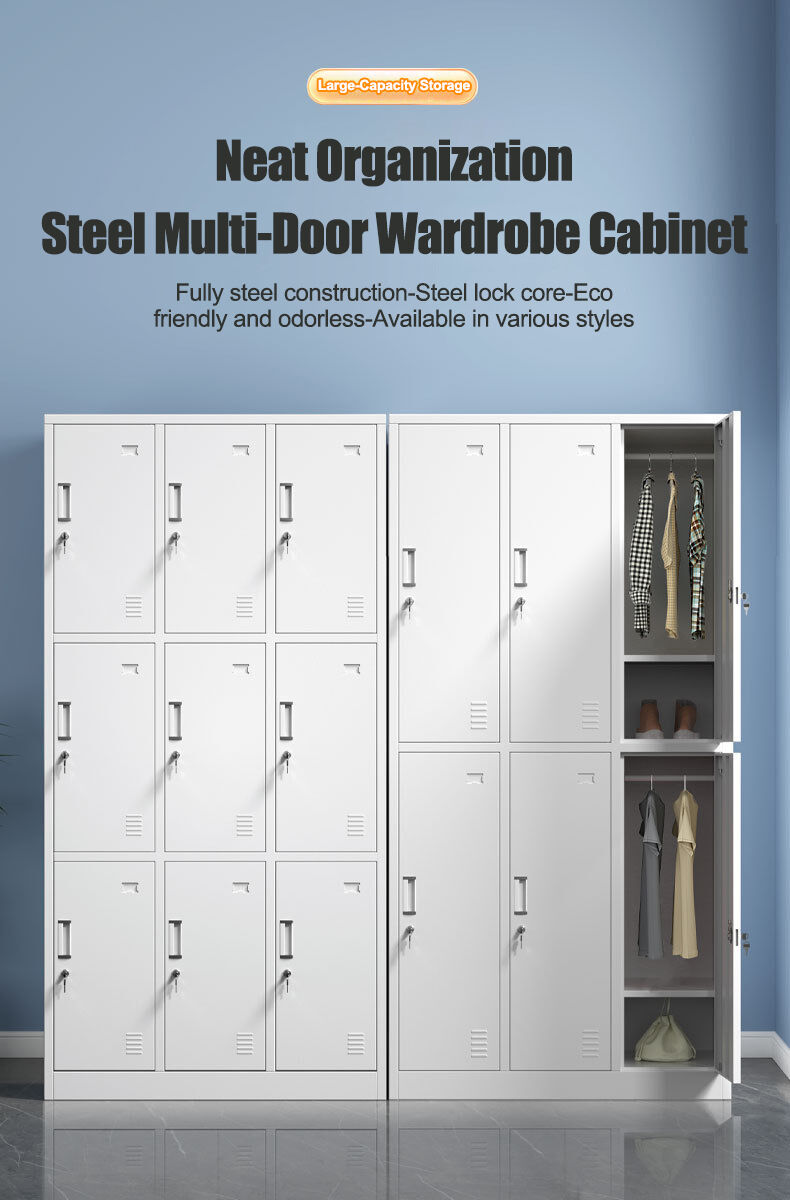
Alternative Material Options
High-Density Polyethylene Performance
High-density polyethylene represents an innovative approach to creating durable locker materials that excel in specific commercial environments. This thermoplastic polymer offers exceptional resistance to chemicals, moisture, and impact damage while maintaining dimensional stability across wide temperature ranges. Unlike metal alternatives, HDPE lockers never rust, dent, or require repainting, making them ideal for swimming pool areas, outdoor installations, or facilities using aggressive cleaning chemicals.
The solid construction of HDPE durable locker materials eliminates the hollow spaces found in traditional metal designs, preventing the accumulation of debris, moisture, or pest infestations. This characteristic proves particularly valuable in food service environments where hygiene standards demand easily cleanable surfaces without hidden contamination risks. Additionally, HDPE's natural lubricity reduces wear at hinge points and latch mechanisms, extending hardware life and minimizing maintenance requirements.
Phenolic Resin Composite Strength
Phenolic resin composite materials combine the best characteristics of natural wood fibers with synthetic polymer binding agents to create exceptionally durable locker materials for commercial applications. The manufacturing process involves impregnating kraft paper or fabric layers with phenolic resin, then compressing and curing the assembly under high temperature and pressure. This process creates a dense, uniform material with excellent dimensional stability and impact resistance.
The resulting composite demonstrates superior resistance to scratching, chemical attack, and moisture absorption compared to traditional wood products. Phenolic durable locker materials maintain their structural integrity even when exposed to steam, high humidity, or frequent cleaning with industrial-strength disinfectants. The material's natural antimicrobial properties, combined with its non-porous surface, make it particularly suitable for healthcare facilities, laboratories, and clean room environments where contamination control is paramount.
Environmental Resistance Factors
Moisture and Humidity Protection
Commercial facilities in humid climates or moisture-prone environments require durable locker materials specifically engineered to withstand prolonged exposure to water vapor and occasional direct moisture contact. Traditional materials often fail prematurely when subjected to conditions found in swimming pool facilities, locker rooms, or coastal installations where salt air creates additional corrosion challenges. Modern material science has developed several solutions that address these environmental stresses while maintaining structural integrity over decades of service.
Vapor barrier technologies integrated into locker construction prevent moisture infiltration that could compromise internal components or create conditions conducive to mold and mildew growth. Sealed seam construction techniques eliminate potential entry points for moisture while maintaining the material's breathability to prevent condensation buildup. These design features work in conjunction with appropriate material selection to ensure durable locker materials perform consistently regardless of environmental conditions.
Temperature Cycling Endurance
Commercial installations often experience significant temperature variations throughout daily and seasonal cycles, placing thermal stress on storage systems that can lead to premature failure in inadequately designed products. Durable locker materials must accommodate thermal expansion and contraction without developing stress fractures, loose connections, or dimensional distortions that compromise functionality. Material selection and construction techniques both play crucial roles in achieving long-term thermal stability.
Coefficient of thermal expansion matching between different components prevents the development of internal stresses that could lead to premature failure. For example, steel door frames must expand at rates compatible with steel door panels to maintain proper fit and alignment across temperature ranges. Similarly, hardware mounting systems require design considerations that accommodate thermal movement without creating loose or binding conditions that affect daily operation.
Maintenance and Lifecycle Considerations
Cleaning Protocol Compatibility
Facility maintenance teams require durable locker materials that remain compatible with existing cleaning protocols and chemical systems already in use throughout their commercial properties. This compatibility ensures consistent maintenance procedures while avoiding the need for specialized training, equipment, or cleaning products that increase operational complexity and costs. Material selection should consider both routine cleaning requirements and periodic deep sanitization procedures that may involve stronger chemical solutions.
Surface characteristics such as porosity, texture, and chemical resistance directly impact cleaning effectiveness and frequency requirements. Smooth, non-porous surfaces facilitate routine cleaning while resisting stain penetration and bacterial colonization. However, completely smooth surfaces may show fingerprints and smudges more readily than slightly textured alternatives. The optimal balance depends on specific facility requirements and maintenance capabilities available to facility management teams.
Repair and Replacement Efficiency
Long-term cost effectiveness of durable locker materials depends not only on initial durability but also on repairability when damage does occur. Modular construction techniques that allow replacement of individual components without affecting adjacent units provide significant advantages in commercial installations where minimizing downtime is crucial. Standardized fasteners, hinges, and latch mechanisms facilitate repair procedures while ensuring replacement parts remain available throughout the product's service life.
Component accessibility for maintenance and repair procedures affects both the speed and cost of necessary interventions. Hidden fasteners may provide aesthetic advantages but complicate routine maintenance tasks such as hinge adjustment or latch replacement. Design considerations that balance appearance with maintenance accessibility often determine the total cost of ownership for commercial storage installations over their intended service life.
Specification and Selection Criteria
Load-Bearing Capacity Requirements
Commercial applications demand durable locker materials capable of supporting substantial loads without structural deformation or failure over extended periods. Educational facilities, employee break rooms, and industrial changing areas often experience loading conditions far exceeding residential applications, requiring careful evaluation of material strength characteristics and construction methods. Static load requirements must account for maximum intended loads plus safety factors appropriate for commercial liability considerations.
Dynamic loading from door operation, impact events, and seismic activity places additional stress on locker systems that static calculations alone cannot predict. Fatigue resistance becomes crucial for hardware mounting points and structural connections that experience repeated loading cycles throughout the product's service life. Testing protocols such as ANSI/BIFMA standards provide standardized methods for evaluating performance under simulated commercial use conditions.
Security Integration Features
Modern commercial facilities increasingly require integration between physical storage systems and electronic security infrastructure, demanding durable locker materials that accommodate advanced locking mechanisms without compromising structural integrity. Electronic locks, RFID access control, and biometric systems require precise mounting tolerances and environmental protection that traditional locker construction methods may not provide. Material selection must consider both current security requirements and future upgrade possibilities.
Physical security considerations extend beyond locking mechanisms to include resistance to forced entry attempts and vandalism. Heavy-gauge construction using appropriate durable locker materials provides inherent security benefits, while design features such as concealed hinges and reinforced latch areas enhance protection against unauthorized access. Balancing security requirements with accessibility needs for emergency situations requires careful consideration of local building codes and facility-specific security protocols.
FAQ
Which locker material provides the best value for high-traffic commercial environments
Cold-rolled steel with powder coating typically offers the optimal balance of durability, cost-effectiveness, and maintenance requirements for most high-traffic commercial applications. This combination provides excellent impact resistance, corrosion protection, and aesthetic longevity while remaining competitively priced compared to alternative materials. The proven track record of steel construction in demanding environments, combined with modern coating technologies, delivers reliable long-term performance with predictable maintenance schedules.
How do antimicrobial coatings affect the longevity of locker materials
Antimicrobial coatings enhance rather than compromise the durability of locker materials by preventing microbial degradation that can weaken surfaces over time. These specialized coatings work continuously to inhibit bacterial and fungal growth without requiring additional maintenance procedures. The antimicrobial properties remain effective throughout the coating's lifespan, providing ongoing protection while maintaining all the durability benefits of the underlying coating system.
What environmental factors most significantly impact locker material durability
Moisture exposure, temperature cycling, and chemical contact represent the most significant environmental challenges for durable locker materials in commercial applications. Coastal environments add salt air corrosion concerns, while industrial facilities may involve exposure to process chemicals or cleaning agents. Proper material selection based on specific environmental conditions ensures optimal performance and prevents premature failure from environmental stresses.
Can different locker materials be mixed within the same installation
While technically possible, mixing different durable locker materials within the same installation creates maintenance complexity and aesthetic inconsistency that typically outweighs any potential benefits. Different materials require different cleaning procedures, replacement schedules, and repair techniques that complicate facility management. Standardizing on a single material system optimized for the specific application usually provides better long-term results and operational efficiency.
Table of Contents
- Steel Construction Excellence
- Advanced Coating Systems
- Alternative Material Options
- Environmental Resistance Factors
- Maintenance and Lifecycle Considerations
- Specification and Selection Criteria
-
FAQ
- Which locker material provides the best value for high-traffic commercial environments
- How do antimicrobial coatings affect the longevity of locker materials
- What environmental factors most significantly impact locker material durability
- Can different locker materials be mixed within the same installation