
 EN
EN
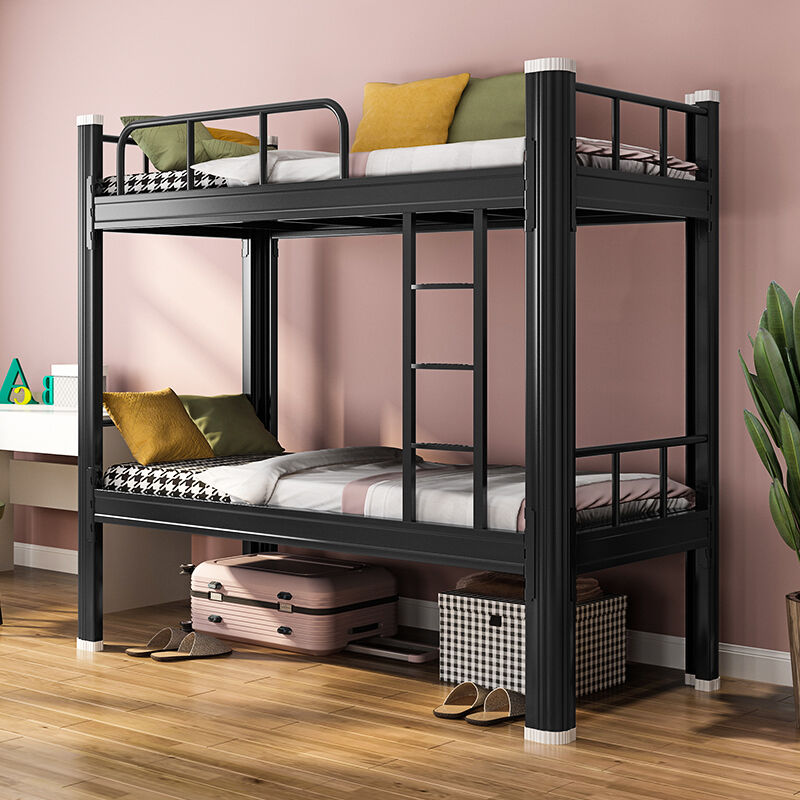
Large-scale workforce housing presents unique challenges that require careful planning and strategic equipment selection. When accommodating hundreds or thousands of workers, every decision impacts operational efficiency, safety standards, and long-term cost management. Among the most critical considerations, selecting appropriate dormitory beds stands as a fundamental requirement that affects worker satisfaction, space utilization, and facility maintenance costs. Organizations must balance durability, comfort, space efficiency, and budget constraints while ensuring compliance with occupational housing regulations and safety standards.
Understanding Workforce Housing Requirements
Regulatory Compliance and Safety Standards
Workforce housing facilities must adhere to strict regulatory frameworks that govern occupational safety, building codes, and worker welfare standards. These regulations typically specify minimum space requirements per occupant, structural safety requirements for sleeping arrangements, and fire safety protocols. Dormitory beds must meet specific weight-bearing capacities, often requiring certification for commercial or industrial use rather than residential applications. Understanding these requirements prevents costly retrofitting and ensures worker safety throughout the facility's operational lifespan.
Fire safety regulations particularly impact bed selection, as materials must meet flame-resistance standards and emergency egress requirements. Many jurisdictions require beds to be positioned with specific clearances from walls, windows, and exit routes. Additionally, structural integrity standards mandate that dormitory beds withstand regular use by multiple occupants over extended periods, necessitating heavy-duty construction that exceeds typical residential furniture specifications.
Space Optimization Strategies
Maximizing accommodation capacity while maintaining livable conditions requires sophisticated space planning approaches. Dormitory beds serve as the primary space-defining element, directly impacting room layouts, traffic flow patterns, and overall facility efficiency. Bunk bed configurations typically double sleeping capacity within existing square footage, making them essential for large-scale operations where real estate costs significantly impact project viability.
Strategic bed placement must account for natural lighting, ventilation systems, and privacy considerations. Workers require adequate personal space for belongings, daily routines, and psychological comfort. Effective dormitory beds contribute to space optimization through integrated storage solutions, standardized dimensions that facilitate modular room designs, and configurations that support efficient cleaning and maintenance protocols.
Material Selection and Durability Considerations
Metal Frame Construction Benefits
Heavy-duty metal construction provides superior durability compared to wooden alternatives, particularly in high-occupancy environments where beds experience constant use and potential abuse. Steel frames resist warping, cracking, and structural degradation that commonly affects wooden dormitory beds in industrial settings. Metal construction also offers superior weight-bearing capacity, essential for accommodating diverse worker populations and preventing structural failures that could result in injuries or liability issues.
Steel dormitory beds demonstrate excellent resistance to pest infestations, moisture damage, and chemical exposure that may occur in industrial workforce housing environments. The material's non-porous surface facilitates thorough cleaning and sanitization procedures, crucial for maintaining hygiene standards in shared living spaces. Additionally, metal frames provide superior fire resistance compared to wooden alternatives, contributing to overall facility safety and insurance compliance requirements.
Finish and Coating Technologies
Advanced powder coating technologies extend the lifespan of metal dormitory beds while reducing maintenance requirements and improving aesthetic appeal. High-quality powder coatings resist scratching, chipping, and corrosion that typically plague painted surfaces in high-use environments. These protective finishes also facilitate easier cleaning and sanitization, essential capabilities for maintaining hygiene standards in workforce housing facilities.
Electrostatically applied powder coatings create uniform, durable surfaces that withstand repeated cleaning with industrial-strength disinfectants and cleaning solutions. The coating process also allows for color customization that supports facility branding or organizational requirements while maintaining professional appearances that enhance worker morale and facility reputation.
Design Features for Enhanced Functionality
Structural Reinforcement Elements
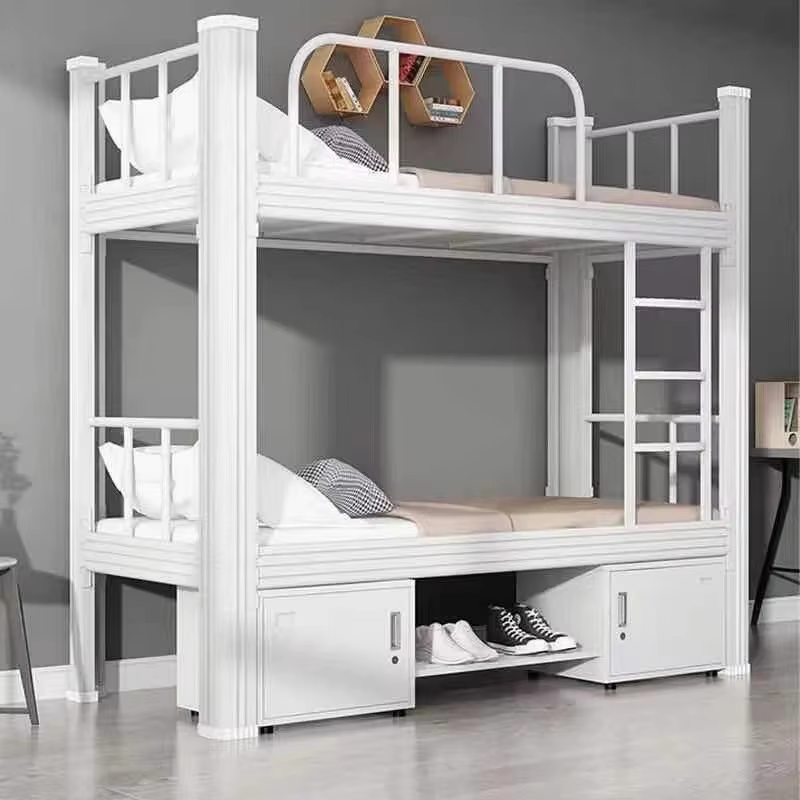
Professional-grade dormitory beds incorporate structural reinforcement features that distinguish them from residential furniture applications. Cross-bracing systems, reinforced corner joints, and heavy-gauge steel tubing provide exceptional stability and longevity under continuous use conditions. These engineering improvements prevent wobbling, squeaking, and gradual structural deterioration that compromise safety and user satisfaction in large-scale housing operations.
Advanced welding techniques and precision manufacturing processes ensure consistent quality across large furniture orders, essential for maintaining uniform standards throughout extensive workforce housing facilities. Structural reinforcements also support higher weight capacities, accommodating diverse worker populations and reducing the risk of bed failures that could result in injuries, insurance claims, or operational disruptions.
Assembly and Installation Considerations
Efficient assembly processes significantly impact project timelines and labor costs when furnishing large-scale workforce housing facilities. Quality dormitory beds feature intuitive assembly designs with clearly marked components, comprehensive instruction materials, and minimal specialized tool requirements. Standardized hardware and connection systems facilitate rapid installation while ensuring consistent structural integrity across multiple units.
Modular design approaches allow for efficient shipping, storage, and assembly coordination that minimizes project delays and reduces logistical complications. Professional-grade beds often incorporate features like numbered components, color-coded hardware, and simplified connection systems that enable non-specialized personnel to complete assembly tasks while maintaining quality standards and safety requirements.
Cost Analysis and Long-Term Value
Initial Investment Considerations
While high-quality dormitory beds require larger initial investments compared to basic alternatives, the long-term financial benefits justify premium pricing through reduced replacement costs, decreased maintenance requirements, and improved operational efficiency. Calculating total cost of ownership reveals that durable metal construction provides superior value over extended operational periods, particularly in high-turnover workforce environments.
Bulk purchasing opportunities for large-scale projects often provide significant cost advantages that offset individual unit pricing concerns. Manufacturers typically offer volume discounts, extended warranties, and customization options for substantial orders, making premium dormitory beds more accessible for large workforce housing projects while ensuring consistent quality and delivery schedules.
Maintenance and Replacement Costs
Preventive maintenance requirements and replacement frequencies significantly impact long-term operational costs in workforce housing facilities. High-quality dormitory beds with robust construction and superior finishes require minimal maintenance interventions, reducing labor costs and operational disruptions associated with furniture repairs and replacements. Regular inspection and basic maintenance procedures can extend bed lifespans significantly beyond manufacturer warranties.
Calculating replacement cycles based on bed quality reveals substantial cost differences over multi-year operational periods. Premium dormitory beds typically provide service lives of ten years or more under normal use conditions, while lower-quality alternatives may require replacement within two to four years. These replacement cycles compound operational costs through procurement processes, assembly labor, disposal fees, and temporary accommodation disruptions during furniture changeovers.
Safety and Comfort Optimization
Ergonomic Design Elements
Worker comfort and sleep quality directly impact productivity, safety performance, and retention rates in workforce housing operations. Dormitory beds must provide adequate support, appropriate sizing for diverse populations, and ergonomic features that promote restful sleep despite shared living conditions. Platform designs with proper support systems prevent mattress sagging and ensure consistent comfort levels throughout extended use periods.
Ladder design and placement significantly impact safety and accessibility, particularly for upper bunk occupants. Quality dormitory beds incorporate wide-step ladders, secure handholds, and strategic placement that facilitates safe access while minimizing disturbance to lower bunk occupants. These design considerations become particularly important in facilities housing older workers or individuals with physical limitations that could affect climbing abilities.
Ventilation and Air Circulation
Proper air circulation around sleeping areas prevents moisture buildup, reduces odors, and maintains healthy sleeping environments in shared dormitory spaces. Well-designed dormitory beds incorporate openings, slats, or perforated elements that promote airflow while maintaining structural integrity. These ventilation features become essential in facilities with limited HVAC capacity or in climates where natural ventilation supplements mechanical systems.
Strategic spacing between bed levels and integration with room ventilation systems enhance air circulation effectiveness while preventing heat buildup that can compromise sleep quality and overall comfort. Professional-grade dormitory beds often feature design elements that work synergistically with facility ventilation systems to maintain optimal sleeping environments throughout diverse seasonal conditions and occupancy levels.
Installation and Project Management
Logistics and Delivery Coordination
Large-scale workforce housing projects require sophisticated logistics coordination to ensure timely delivery, efficient storage, and systematic installation of hundreds or thousands of dormitory beds. Professional furniture suppliers typically provide project management services that coordinate delivery schedules with construction timelines, minimize storage requirements, and facilitate efficient installation processes that prevent project delays.
Packaging optimization reduces shipping costs and storage space requirements while protecting bed components during transportation and on-site storage periods. Quality dormitory beds feature packaging designs that facilitate easy handling, clear component identification, and minimal waste generation that supports sustainable project management practices and reduces disposal costs.
Quality Control and Inspection Processes
Implementing systematic quality control procedures ensures consistent bed quality and prevents operational problems that could affect worker satisfaction and facility reputation. Professional inspection processes verify structural integrity, finish quality, and component completeness before installation, preventing costly delays and ensuring compliance with project specifications and safety requirements.
Documentation procedures and warranty management become particularly important for large-scale dormitory bed installations, where individual unit tracking and maintenance records support long-term operational efficiency. Quality suppliers provide comprehensive documentation, installation support, and warranty services that facilitate professional facility management and ensure continued performance throughout extended operational periods.
Vendor Selection and Procurement Strategies
Supplier Evaluation Criteria
Selecting appropriate suppliers for large-scale dormitory bed procurement requires comprehensive evaluation of manufacturing capabilities, quality control systems, and project support services. Qualified suppliers demonstrate experience with commercial-grade furniture manufacturing, maintain quality certifications relevant to workplace furniture applications, and provide references from similar workforce housing projects that validate their capabilities and reliability.
Financial stability and production capacity assessments ensure suppliers can fulfill large orders within required timeframes while maintaining consistent quality standards throughout the production process. Established suppliers typically offer superior warranty terms, replacement part availability, and ongoing support services that protect long-term operational interests and provide recourse for quality issues that may emerge over time.
Contract Terms and Risk Management
Comprehensive contract terms protect project interests while establishing clear performance expectations and quality standards for dormitory bed procurement. Professional contracts address delivery schedules, quality specifications, warranty terms, and remediation procedures that ensure supplier accountability and provide recourse for performance issues that could impact project success or operational efficiency.
Risk management strategies include backup supplier identification, quality assurance procedures, and contingency planning that address potential supply chain disruptions or quality issues. These proactive approaches prevent project delays and cost overruns while ensuring consistent dormitory bed availability throughout facility construction and initial occupancy periods.
FAQ
What weight capacity should dormitory beds support for workforce housing applications
Professional-grade dormitory beds for workforce housing should support minimum weight capacities of 400-500 pounds per sleeping surface to accommodate diverse worker populations and personal belongings safely. Heavy-duty metal construction typically exceeds these requirements, providing safety margins that prevent structural failures and ensure compliance with occupational safety regulations. Higher weight capacities also support longer service lives and reduce liability risks associated with bed failures.
How do bulk purchasing agreements affect dormitory bed pricing and delivery schedules
Bulk purchasing agreements for large-scale workforce housing projects typically provide 15-30% cost reductions compared to individual unit pricing while ensuring priority production scheduling and coordinated delivery timelines. Professional suppliers offer volume discounts, extended payment terms, and project management services that streamline procurement processes and reduce administrative costs. Large orders also qualify for customization options and enhanced warranty terms that provide additional value for substantial investments.
What assembly time requirements should be planned for large dormitory bed installations
Professional installation teams typically require 30-45 minutes per bunk bed unit for complete assembly, including unpacking, component verification, and quality checks. Large-scale projects benefit from assembly line approaches where specialized teams focus on specific tasks, reducing individual bed assembly time to 20-25 minutes while maintaining quality standards. Project schedules should include additional time for delivery coordination, storage management, and final inspection processes that ensure systematic installation completion.
How do dormitory beds impact facility maintenance and operational costs over time
High-quality dormitory beds with robust construction and superior finishes typically require minimal maintenance interventions, reducing annual maintenance costs to less than 2% of initial purchase prices. Regular inspection and basic cleaning procedures can extend bed lifespans to 10-15 years under normal use conditions, while lower-quality alternatives may require replacement within 3-5 years. Quality beds also reduce operational disruptions associated with repairs, replacements, and worker complaints related to comfort and safety issues.
Table of Contents
- Understanding Workforce Housing Requirements
- Material Selection and Durability Considerations
- Design Features for Enhanced Functionality
- Cost Analysis and Long-Term Value
- Safety and Comfort Optimization
- Installation and Project Management
- Vendor Selection and Procurement Strategies
-
FAQ
- What weight capacity should dormitory beds support for workforce housing applications
- How do bulk purchasing agreements affect dormitory bed pricing and delivery schedules
- What assembly time requirements should be planned for large dormitory bed installations
- How do dormitory beds impact facility maintenance and operational costs over time