
 EN
EN
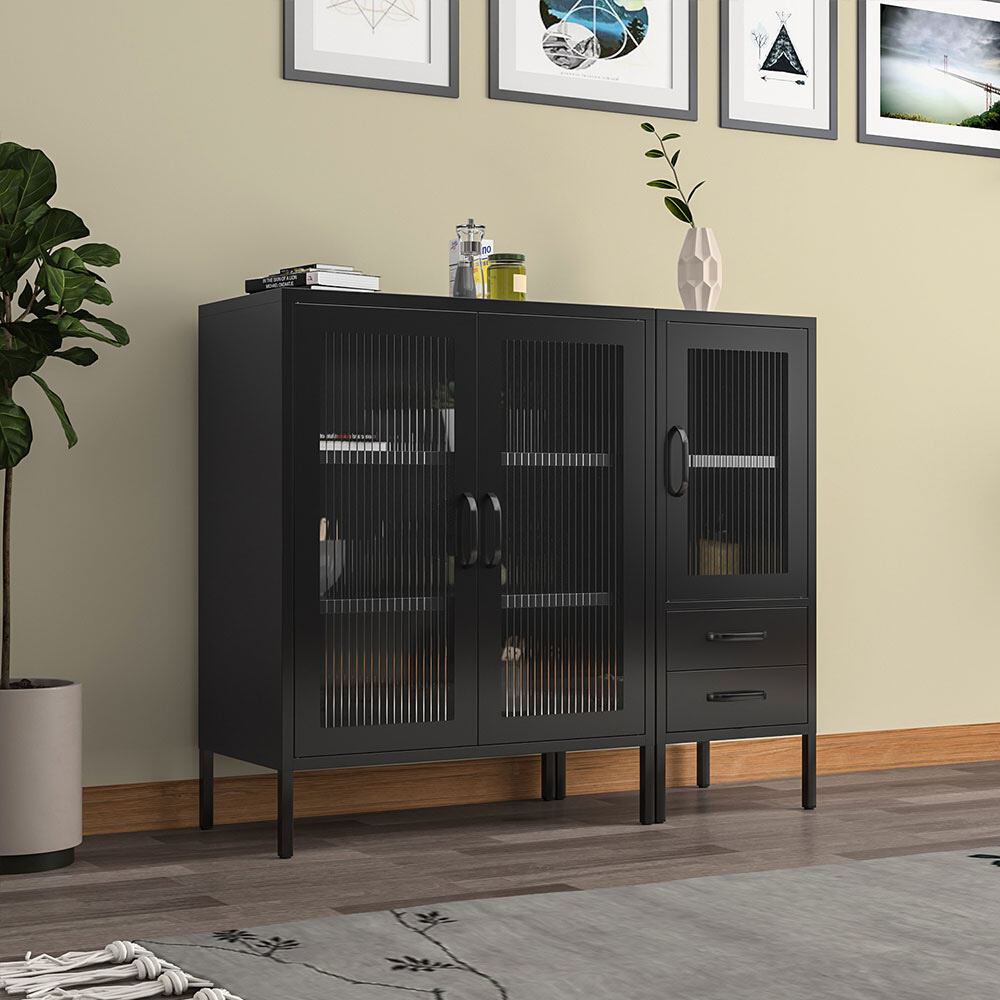
Modern workplaces face increasing challenges in maintaining organized and efficient operations, particularly when it comes to inventory management systems. Whether in manufacturing facilities or corporate offices, the ability to track, store, and access materials and documents directly impacts productivity and profitability. Storage cabinets serve as fundamental infrastructure components that enable businesses to establish systematic approaches to inventory control while maximizing available space utilization. These essential organizational tools provide the foundation for streamlined workflows and improved operational efficiency across diverse industrial and commercial environments.
Foundation Principles of Inventory Organization Systems
Systematic Classification and Categorization
Effective inventory management begins with establishing clear classification systems that allow for intuitive organization and rapid retrieval of items. Storage cabinets provide dedicated spaces for different categories of materials, enabling businesses to implement hierarchical organization structures. This systematic approach reduces time spent searching for specific items and minimizes the risk of inventory loss or misplacement. Professional-grade storage solutions offer adjustable shelving configurations that accommodate varying item sizes and quantities while maintaining visual accessibility.
The implementation of standardized labeling systems within storage cabinet frameworks enhances identification processes and supports consistent inventory tracking protocols. Color-coded systems and alphanumeric organization schemes can be seamlessly integrated with cabinet layouts to create intuitive navigation pathways. These organizational strategies become particularly valuable in high-volume environments where multiple team members require access to shared inventory resources.
Security and Access Control Integration
Modern storage cabinets incorporate advanced security features that protect valuable inventory while maintaining controlled access for authorized personnel. Locking mechanisms, including traditional key systems and digital access controls, ensure sensitive materials remain secure while supporting accountability tracking. This security integration becomes essential when managing high-value components, confidential documents, or regulated materials that require restricted access protocols.
Access control systems integrated with storage cabinets enable businesses to maintain detailed logs of inventory interactions and usage patterns. These tracking capabilities support compliance requirements and provide valuable data for optimizing inventory levels and identifying usage trends. The combination of physical security and digital monitoring creates comprehensive protection frameworks that safeguard assets while maintaining operational transparency.
Industrial Applications and Manufacturing Support
Production Line Integration and Workflow Optimization
Manufacturing environments require specialized storage solutions that support just-in-time production methodologies and minimize material handling inefficiencies. Industrial storage cabinets positioned strategically throughout production areas reduce worker movement and enable rapid access to frequently used components and tools. This proximity-based approach to inventory positioning directly correlates with improved production cycle times and reduced operational costs.
The durability requirements for industrial storage cabinets exceed those of standard office applications, demanding robust construction materials and enhanced load-bearing capabilities. Heavy-duty steel construction with reinforced shelving systems accommodates the weight and dimensional requirements of manufacturing components while maintaining long-term structural integrity. These specialized storage solutions withstand the challenging conditions common in industrial environments, including temperature fluctuations, humidity variations, and exposure to industrial cleaning processes.
Quality Control and Compliance Management
Manufacturing quality control processes rely heavily on organized storage systems that maintain material traceability and prevent contamination or degradation. Dedicated storage cabinets for quality control samples, testing materials, and calibration standards ensure these critical items remain properly preserved and easily accessible for inspection activities. The controlled environment provided by enclosed storage systems protects sensitive materials from environmental factors that could compromise their integrity.
Regulatory compliance requirements in manufacturing often mandate specific storage protocols for documentation, testing records, and certification materials. Specialized storage cabinets with climate control features and tamper-evident security measures support these compliance obligations while maintaining organized record-keeping systems. The ability to demonstrate proper storage and handling procedures through well-documented cabinet organization systems becomes crucial during regulatory audits and certification reviews.
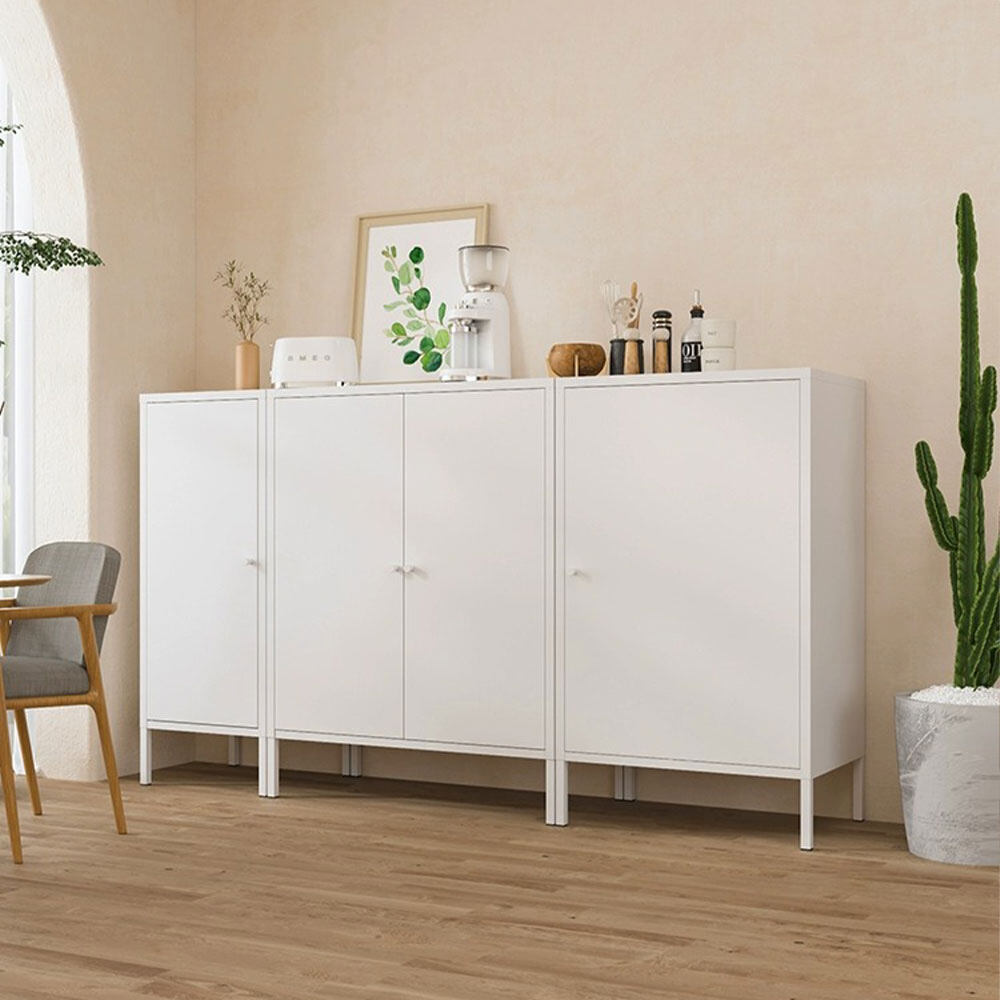
Office Environment Optimization and Document Management
Digital-Physical Integration Strategies
Contemporary office environments require storage solutions that bridge the gap between digital and physical document management systems. Storage cabinets equipped with integrated technology features, such as RFID tracking or barcode systems, enable seamless connection between physical inventory and digital databases. This integration supports real-time inventory tracking and automated updating of digital records when items are accessed or relocated.
The transition toward paperless operations has not eliminated the need for physical document storage, particularly for legal documents, contracts, and archived materials that require physical preservation. Modern office storage cabinets provide secure environments for these critical documents while supporting efficient retrieval systems that complement digital workflows. Climate-controlled storage options protect sensitive documents from environmental damage while maintaining accessibility for periodic review or legal requirements.
Space Utilization and Ergonomic Considerations
Office space optimization demands storage solutions that maximize vertical space utilization while maintaining ergonomic accessibility for daily operations. Adjustable shelving systems within storage cabinets accommodate changing storage requirements and enable customization based on specific departmental needs. This flexibility becomes particularly valuable in dynamic office environments where organizational structures and storage requirements evolve over time.
Ergonomic design principles integrated into storage cabinet layouts reduce physical strain and improve user experience during routine inventory interactions. Appropriate shelf heights, accessible door mechanisms, and clear sight lines contribute to user comfort and operational efficiency. These human-centered design considerations become increasingly important as organizations prioritize employee wellness and workplace safety in their facility planning initiatives.
Technology Integration and Smart Storage Solutions
Automated Inventory Tracking Systems
Advanced storage cabinets now incorporate sophisticated tracking technologies that automate inventory monitoring and provide real-time visibility into stock levels and usage patterns. RFID-enabled storage solutions eliminate manual counting processes and reduce human error in inventory tracking activities. These automated systems generate detailed reports on inventory movement, consumption rates, and reorder requirements, supporting data-driven decision-making processes.
Integration with enterprise resource planning systems enables storage cabinets to function as intelligent nodes within broader inventory management networks. This connectivity supports automated reordering processes, predictive maintenance scheduling, and comprehensive analytics that optimize inventory investment and reduce carrying costs. The evolution toward intelligent storage systems represents a significant advancement in operational efficiency and strategic inventory management capabilities.
Environmental Monitoring and Preservation
Specialized storage cabinets equipped with environmental monitoring capabilities protect sensitive inventory from temperature, humidity, and contamination risks that could compromise material quality or safety. These monitoring systems provide continuous oversight of storage conditions and generate alerts when parameters exceed acceptable ranges. This proactive approach to environmental control prevents inventory damage and supports quality assurance protocols across various industries.
The integration of environmental controls within storage cabinet systems becomes particularly critical for pharmaceutical, electronic, and chemical inventory management applications. Precise climate control, air filtration systems, and contamination prevention measures ensure stored materials maintain their intended properties and remain suitable for their designated applications. These advanced preservation capabilities support regulatory compliance and minimize inventory loss due to environmental factors.
Cost-Benefit Analysis and Return on Investment
Operational Efficiency Improvements
Implementing comprehensive storage cabinet systems generates measurable improvements in operational efficiency through reduced search times, minimized inventory loss, and streamlined material handling processes. Time-motion studies consistently demonstrate significant reductions in labor hours required for inventory-related activities when organized storage systems are properly implemented. These efficiency gains translate directly into cost savings and improved productivity metrics across organizational departments.
The standardization of storage protocols through dedicated cabinet systems reduces training requirements for new employees and minimizes errors related to material handling and inventory management. Consistent organization schemes enable cross-training opportunities and provide operational continuity during personnel changes. These human resource benefits contribute to the overall return on investment calculation for storage infrastructure improvements.
Long-Term Asset Protection and Durability
High-quality storage cabinets represent long-term investments that protect valuable inventory assets while providing decades of reliable service. The initial investment in professional-grade storage solutions is offset by reduced replacement costs, decreased inventory loss, and improved asset utilization rates. Durable construction materials and professional manufacturing standards ensure these storage systems maintain their functionality and appearance throughout extended service periods.
The modularity and adaptability of modern storage cabinet systems provide flexibility for future expansion and reorganization activities without requiring complete system replacement. This scalability factor enhances the long-term value proposition and supports evolving business requirements. The ability to reconfigure storage layouts and adjust capacity as needed protects the initial investment while accommodating organizational growth and changing operational demands.
FAQ
What types of materials can be safely stored in industrial storage cabinets
Industrial storage cabinets are designed to accommodate a wide variety of materials including tools, spare parts, components, chemicals, documents, and safety equipment. The specific storage capacity depends on the cabinet's construction materials, load ratings, and any specialized features such as ventilation or chemical resistance. It's important to verify that the cabinet specifications match the requirements of the materials being stored, particularly for hazardous or sensitive items that may require specific environmental controls or safety features.
How do locking mechanisms on storage cabinets enhance inventory security
Locking mechanisms on storage cabinets provide multiple levels of security including unauthorized access prevention, inventory accountability, and asset protection. Modern locking systems range from traditional key locks to electronic access controls that can track usage patterns and maintain access logs. These security features are particularly valuable for high-value inventory, controlled substances, or sensitive documents that require restricted access. The choice of locking mechanism should align with the security requirements and compliance obligations of the specific application.
What maintenance requirements should be considered for storage cabinet systems
Regular maintenance for storage cabinet systems includes periodic cleaning, lock mechanism lubrication, shelf adjustment verification, and structural integrity inspection. The frequency and scope of maintenance activities depend on the operating environment and usage intensity. Industrial applications may require more frequent maintenance due to harsh environmental conditions, while office applications typically have minimal maintenance requirements. Establishing a preventive maintenance schedule helps ensure long-term functionality and prevents costly repairs or premature replacement needs.
How can storage cabinets be integrated with existing inventory management software
Modern storage cabinets can be integrated with inventory management software through various technologies including RFID systems, barcode scanners, and IoT sensors that automatically track inventory movement and update digital records. This integration enables real-time inventory visibility, automated reorder alerts, and comprehensive reporting capabilities. The level of integration depends on the specific software platform and the technology features available in the storage cabinet system. Professional installation and configuration services are often recommended to ensure seamless connectivity and optimal performance.
Table of Contents
- Foundation Principles of Inventory Organization Systems
- Industrial Applications and Manufacturing Support
- Office Environment Optimization and Document Management
- Technology Integration and Smart Storage Solutions
- Cost-Benefit Analysis and Return on Investment
-
FAQ
- What types of materials can be safely stored in industrial storage cabinets
- How do locking mechanisms on storage cabinets enhance inventory security
- What maintenance requirements should be considered for storage cabinet systems
- How can storage cabinets be integrated with existing inventory management software