
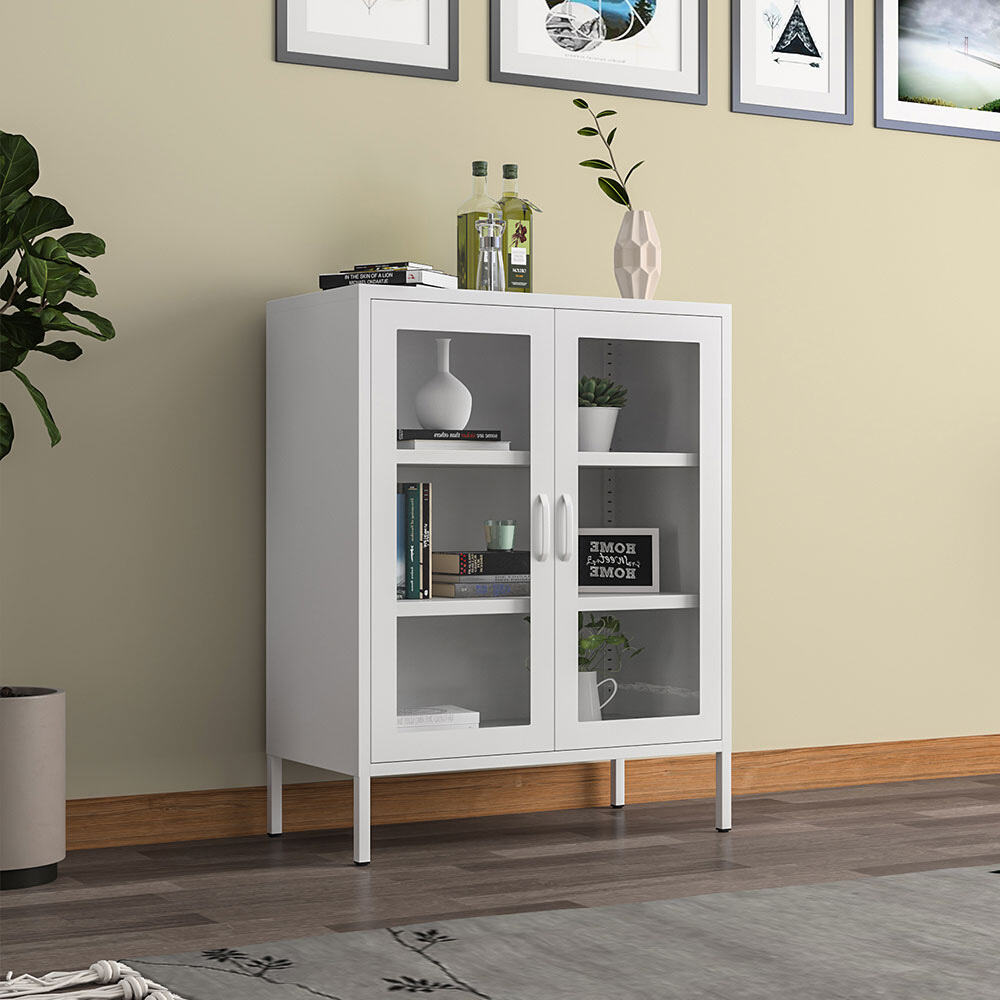
Selecting the appropriate storage solution for industrial or commercial environments requires careful consideration of durability, functionality, and space optimization. Modern facilities demand storage systems that can withstand heavy loads, resist corrosion, and provide efficient organization of tools, equipment, and materials. The right storage cabinet becomes a critical component in maintaining workplace efficiency and safety standards across various industries.
Understanding Industrial Storage Requirements
Load Capacity and Weight Distribution
Industrial environments typically require storage solutions capable of supporting substantial weight loads without compromising structural integrity. Heavy-duty storage cabinets must accommodate everything from small components to large machinery parts. The weight capacity becomes particularly crucial in manufacturing facilities, warehouses, and automotive shops where equipment and materials vary significantly in size and weight. Proper weight distribution across shelving ensures long-term stability and prevents premature wear or failure.
When evaluating load capacity requirements, consider both the immediate storage needs and future expansion possibilities. An industrial heavy duty steel rack system should provide sufficient overhead capacity to handle unexpected storage demands. This forward-thinking approach prevents the need for premature replacement and ensures optimal return on investment.
Environmental Resistance and Durability
Commercial and industrial environments expose storage systems to various challenging conditions including moisture, temperature fluctuations, chemical exposure, and physical impacts. Steel construction offers superior resistance to these environmental factors compared to alternative materials. Quality steel storage solutions feature protective coatings that prevent rust and corrosion, extending the operational lifespan significantly.
The durability factor becomes even more critical in specialized environments such as laboratories, food processing facilities, or outdoor storage areas. These locations require storage cabinets that maintain structural integrity while resisting specific environmental challenges unique to their operational requirements.
Material Construction and Design Features
Steel Gauge and Manufacturing Quality
The thickness of steel used in construction directly impacts the storage cabinet's strength and longevity. Higher gauge steel provides superior resistance to denting, warping, and structural failure under heavy loads. Professional-grade storage solutions typically utilize reinforced steel construction with strategic support elements that distribute weight evenly across the frame structure.
Manufacturing quality encompasses welding techniques, joint construction, and overall assembly precision. Premium storage cabinets feature continuous welding rather than spot welding, creating stronger connections that resist separation under stress. The attention to manufacturing detail directly correlates with the cabinet's ability to maintain structural integrity throughout years of heavy use.
Adjustable Shelving Systems
Flexibility in storage configuration allows facilities to adapt their organization systems as operational needs change. Adjustable shelving enables customization of compartment heights to accommodate different item sizes efficiently. This adaptability proves particularly valuable in dynamic work environments where inventory and equipment requirements evolve regularly.
The adjustability mechanism should operate smoothly while maintaining secure positioning under load. Quality adjustable systems feature reinforced shelf brackets and multiple height options that accommodate diverse storage requirements without compromising stability or safety.
Space Optimization and Layout Considerations
Vertical Storage Maximization
Efficient use of vertical space becomes increasingly important as facility costs rise and available floor space becomes limited. Tall storage cabinets maximize storage capacity within existing footprints, allowing facilities to store more items without expanding their physical space. This vertical approach proves particularly beneficial in warehouses, garages, and commercial storage facilities where ceiling height exceeds standard office dimensions.
When implementing vertical storage solutions, consider accessibility requirements for frequently used items. The most commonly accessed materials should remain within comfortable reaching height, while seasonal or infrequently used items can occupy higher positions. This strategic arrangement improves operational efficiency while maximizing space utilization.
Modular Configuration Options
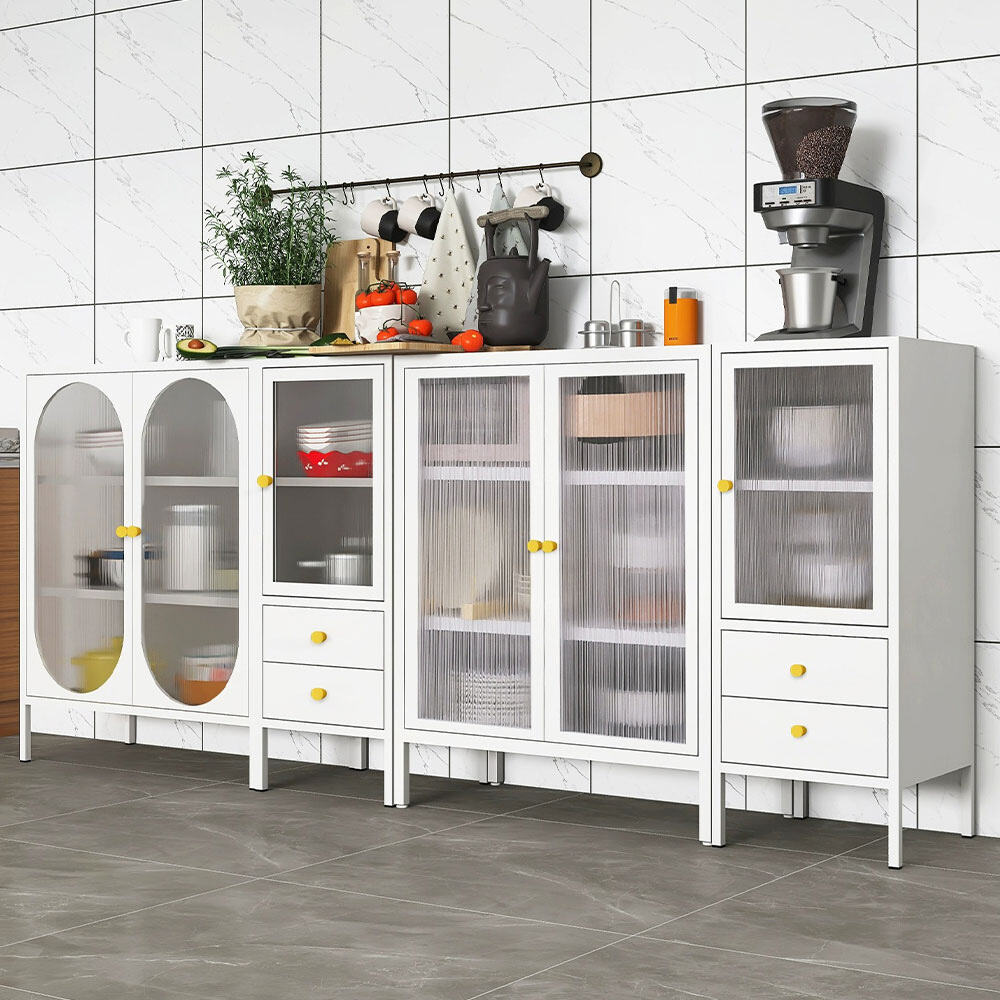
Modular storage systems allow facilities to create customized configurations that match their specific operational requirements. Individual units can be combined to create larger storage arrays or used independently for specialized applications. This flexibility enables businesses to start with basic storage needs and expand their systems as requirements grow.
The modular approach also facilitates relocation and reconfiguration when facility layouts change. Units can be disassembled, moved, and reassembled in new configurations without requiring complete replacement, providing long-term value and adaptability.
Safety Features and Compliance Standards
Stability and Anti-Tip Mechanisms
Industrial storage cabinets must incorporate safety features that prevent tipping, especially when loaded with heavy items or when multiple drawers are opened simultaneously. Anti-tip mechanisms and reinforced base construction ensure stability under various loading conditions. These safety features become particularly important in high-traffic areas where personnel regularly access stored materials.
Proper anchoring systems allow secure attachment to walls or floors, providing additional stability in environments subject to vibration or movement. This anchoring capability proves essential in facilities with overhead cranes, heavy machinery, or frequent forklift traffic that could potentially destabilize freestanding storage units.
Regulatory Compliance Requirements
Different industries maintain specific regulatory requirements for storage systems, particularly those handling hazardous materials, food products, or pharmaceuticals. Compliance with OSHA, FDA, or industry-specific regulations may dictate particular construction materials, ventilation requirements, or security features. Understanding these requirements before selection prevents costly retrofitting or replacement later.
Fire safety codes also influence storage cabinet selection in many commercial and industrial applications. Some environments require fire-resistant construction or specific clearance distances from heat sources. Ensuring compliance with local fire codes protects both personnel and property while avoiding potential regulatory violations.
Cost Analysis and Return on Investment
Initial Investment Versus Long-Term Value
While high-quality industrial storage cabinets require greater initial investment compared to basic alternatives, the long-term value proposition typically favors premium construction. Durable steel construction reduces replacement frequency, minimizes maintenance requirements, and provides consistent performance throughout extended operational periods. This reliability translates to lower total cost of ownership over the cabinet's lifespan.
The enhanced organization capabilities of quality storage systems also contribute to operational efficiency improvements. Reduced time spent locating tools and materials, improved inventory management, and enhanced workplace organization create measurable productivity gains that offset initial investment costs.
Maintenance and Operational Considerations
Premium storage cabinets require minimal maintenance when properly selected and installed. Steel construction with quality finishes resists wear and maintains appearance without frequent refinishing or replacement. The reduced maintenance requirements translate to lower ongoing operational costs and minimized downtime for storage system servicing.
Operational considerations include ease of cleaning, resistance to staining, and compatibility with existing facility maintenance procedures. Storage systems that integrate seamlessly with established maintenance routines reduce administrative burden and ensure consistent upkeep throughout their operational life.
FAQ
What weight capacity should I look for in an industrial storage cabinet?
Industrial storage cabinets should typically support at least 200-400 pounds per shelf, with total unit capacities ranging from 2000-5000 pounds depending on your specific needs. Consider both current storage requirements and future expansion when selecting capacity ratings. Heavy-duty applications may require even higher capacities, so evaluate your heaviest items and plan accordingly.
How do I determine the right size storage cabinet for my facility?
Measure your available floor space and ceiling height, then consider your inventory volume and growth projections. Account for clearance space around the cabinet for safe access and operation. Vertical storage often provides better space efficiency than horizontal expansion, so prioritize taller units when ceiling height permits. Also consider door swing clearance and aisle width requirements for safe operation.
What maintenance is required for steel storage cabinets?
Quality steel storage cabinets require minimal maintenance beyond regular cleaning and periodic inspection of moving parts. Clean surfaces with appropriate industrial cleaners, check shelf brackets and adjustable components for proper tightness, and inspect for any signs of damage or wear. Lubricate hinges and locking mechanisms annually to ensure smooth operation. Address any scratches or chips in protective coatings promptly to prevent corrosion.
Are adjustable shelves worth the additional cost?
Adjustable shelving systems provide significant value through improved flexibility and space utilization. They allow optimization of storage space for different item sizes and enable reconfiguration as storage needs change. While the initial cost may be higher, the ability to adapt the storage system to changing requirements typically provides excellent return on investment and extends the useful life of the cabinet system.