
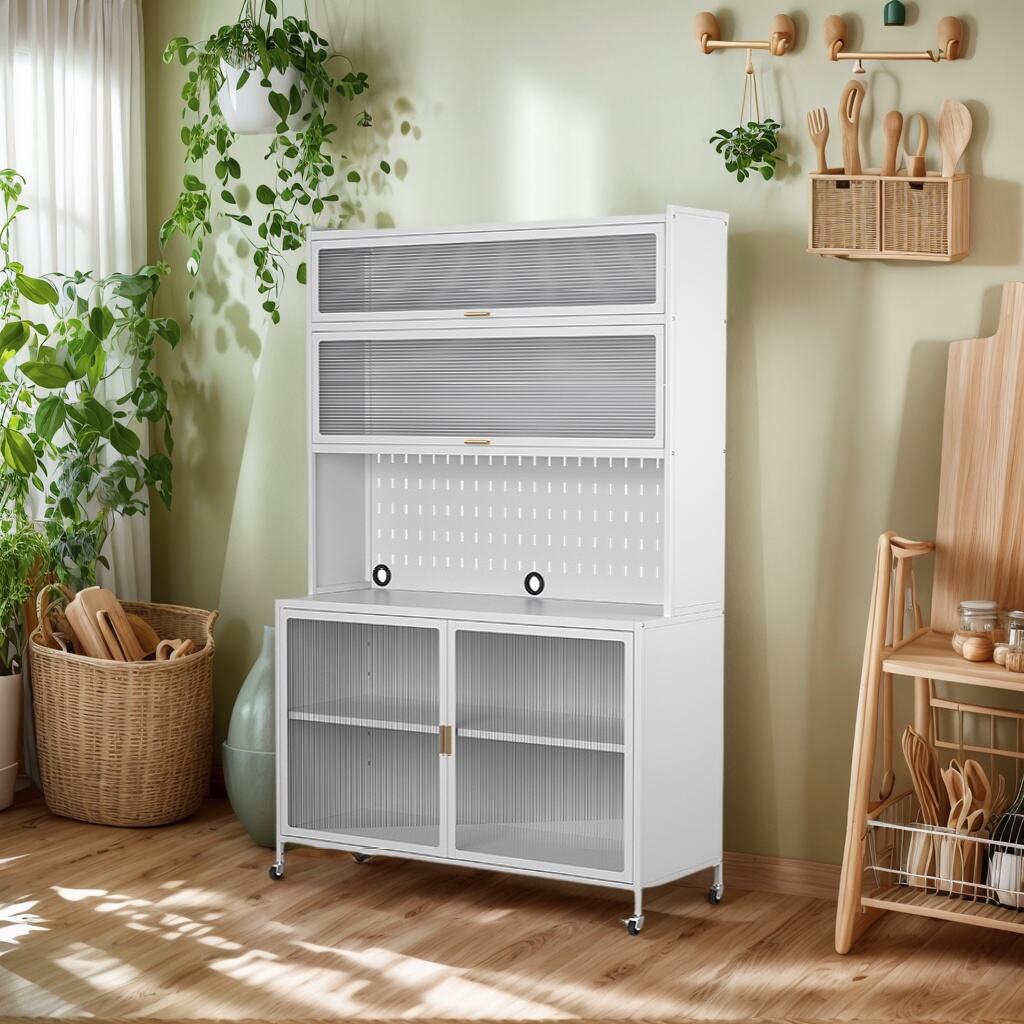
In today's dynamic work environments, storage solutions must adapt to diverse operational needs and spatial constraints. Professional workspaces demand flexible, durable, and efficient organizational systems that can evolve with changing requirements. This adaptability is where modular steel cabinets excel, offering unprecedented customization capabilities that transform conventional storage approaches across industrial, commercial, and specialized work environments.
The evolution of workspace storage has moved far beyond traditional fixed cabinets and rigid organizational systems. Modern professionals require solutions that accommodate varying tool sizes, equipment specifications, and workflow patterns. Steel construction provides the structural integrity necessary for heavy-duty applications while maintaining the flexibility to reconfigure components as operational demands shift. This combination of durability and adaptability positions steel modular systems as essential infrastructure for contemporary work environments.
Design Flexibility and Configuration Options
Drawer Unit Variations
The foundation of customizable storage lies in drawer unit versatility. Professional-grade systems offer multiple drawer depths, widths, and weight capacities to accommodate diverse storage requirements. Shallow drawers excel at organizing small components, fasteners, and precision instruments, while deeper units handle larger tools, equipment, and bulk materials. This graduated approach ensures optimal space utilization regardless of inventory composition.
Advanced drawer systems incorporate telescoping slides rated for substantial weight loads, ensuring smooth operation even when fully loaded with heavy tools or equipment. The ability to specify individual drawer dimensions within a single cabinet unit maximizes storage efficiency and creates intuitive organization patterns. Professional installations often combine various drawer configurations to create comprehensive storage ecosystems tailored to specific operational workflows.
Door and Access Solutions
Access methodology significantly impacts workspace efficiency and security requirements. Swing door configurations provide wide-opening access ideal for larger items, while sliding mechanisms optimize space usage in constrained environments. Roll-up doors offer vertical space efficiency, particularly valuable in facilities with overhead clearance limitations or when cabinet tops serve as additional work surfaces.
Locking mechanisms can be specified individually or integrated into master key systems for comprehensive security management. Electronic access controls enable audit trails and time-based restrictions, crucial for facilities managing controlled tools or sensitive materials. The integration of these access solutions with existing security infrastructure ensures seamless operational integration without compromising workspace security protocols.
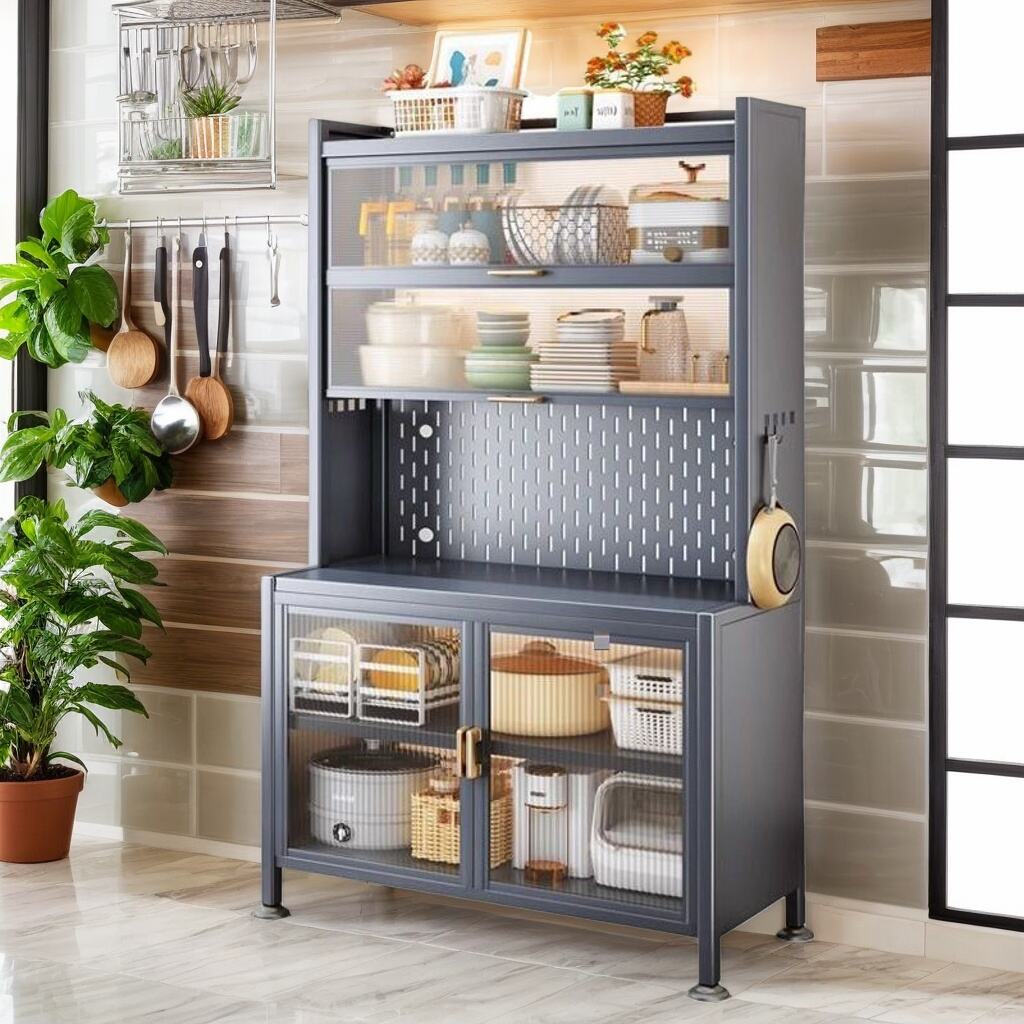
Workspace-Specific Customization Strategies
Industrial Manufacturing Environments
Manufacturing facilities require modular steel cabinets engineered for extreme durability and chemical resistance. Powder-coated finishes protect against corrosive substances, while reinforced construction withstands the physical demands of industrial operations. Custom internal dividers and foam inserts protect precision instruments and maintain tool organization despite high-vibration environments.
Height adjustability becomes critical in manufacturing settings where workers of varying statures access the same storage systems. Modular designs accommodate ergonomic requirements through adjustable shelf positioning and drawer height configurations. This adaptability reduces workplace injuries and improves operational efficiency by ensuring optimal access angles for all personnel.
Automotive Service Centers
Automotive environments demand specialized storage solutions for tools, parts, and diagnostic equipment. Custom internal layouts accommodate everything from precision measuring instruments to heavy impact tools. Specialized drawer liners protect sensitive electronics while providing secure retention during transport or facility reorganization.
Mobile configurations with heavy-duty casters enable workspace reconfiguration based on service requirements. Locking mechanisms secure valuable diagnostic equipment while allowing rapid deployment when needed. The integration of power outlets and cable management systems transforms storage units into mobile workstations, extending functionality beyond simple organization.
Advanced Customization Features
Internal Organization Systems
Sophisticated internal organization maximizes storage density while maintaining accessibility. Modular divider systems create custom compartments tailored to specific tool collections or component inventories. Adjustable partitions accommodate changing storage requirements without requiring complete system replacement, providing long-term value and operational flexibility.
Specialized foam inserts can be custom-cut to match exact tool profiles, ensuring secure retention and immediate identification of missing items. Color-coding systems enhance visual organization, while transparent drawer fronts enable quick inventory assessment without opening drawers. These features combine to create highly efficient storage ecosystems that improve productivity and reduce time spent searching for tools or materials.
Environmental Adaptations
Environmental factors significantly influence customization requirements. Moisture-sensitive environments require sealed construction and specialized gaskets to protect stored items. Temperature-controlled facilities may need insulated storage compartments for materials requiring specific thermal conditions. These environmental considerations must be integrated during the design phase to ensure long-term performance and content protection.
Ventilation systems can be incorporated into larger cabinet configurations to prevent moisture accumulation and maintain optimal storage conditions. Drainage systems protect against liquid infiltration, while specialized coatings resist chemical exposure in laboratory or industrial cleaning environments. These environmental adaptations ensure storage system longevity while protecting valuable stored contents.
Implementation and Installation Considerations
Space Planning and Layout Optimization
Effective implementation begins with comprehensive space analysis and workflow assessment. Storage systems must integrate seamlessly with existing infrastructure while providing room for future expansion. Modular designs enable phased implementation, allowing organizations to develop storage capabilities gradually as operational needs evolve or budgets permit.
Traffic pattern analysis ensures storage placement enhances rather than impedes workflow efficiency. Strategic positioning of frequently accessed items at optimal heights and locations reduces physical strain and improves productivity. The modular nature of steel cabinet systems enables ongoing optimization as workflow patterns change or operational requirements evolve.
Integration with Existing Infrastructure
Successful customization requires careful integration with existing electrical, mechanical, and security systems. Power distribution for integrated lighting or electronic locks must be planned during initial installation to avoid disruptive retrofitting. Network connectivity for electronic access controls or inventory management systems requires coordination with IT infrastructure planning.
Seismic considerations in earthquake-prone regions require specialized anchoring systems that maintain cabinet accessibility while ensuring structural safety. Fire suppression system integration ensures storage solutions do not interfere with safety equipment while potentially incorporating fire-resistant materials for critical storage applications. These infrastructure considerations are essential for comprehensive customization that meets all operational and safety requirements.
FAQ
What weight capacity should I expect from modular steel cabinet systems
Professional-grade modular steel cabinets typically support 100-150 pounds per drawer with heavy-duty slides rated for full extension under load. Cabinet units can support 2000-3000 pounds total capacity when properly anchored and configured. Weight distribution across multiple drawers ensures optimal performance and longevity of the storage system.
How do modular systems accommodate future expansion needs
Modular designs enable horizontal and vertical expansion through standardized connection interfaces and compatible component sizing. Additional cabinet units integrate seamlessly with existing installations, while internal configurations can be modified using interchangeable drawer units and organizational components. This scalability protects initial investments while accommodating operational growth.
What maintenance requirements should be expected with steel cabinet systems
Steel cabinet systems require minimal maintenance beyond periodic cleaning and occasional lubrication of moving parts. Powder-coated finishes resist corrosion and scratching, while quality drawer slides maintain smooth operation for years under normal usage. Annual inspection of locking mechanisms and adjustable components ensures continued optimal performance.
Can electronic access controls be retrofitted to existing mechanical systems
Many modular cabinet systems accommodate electronic lock retrofitting through standardized mounting interfaces and pre-wired configurations. Electronic upgrades typically require power supply installation and network connectivity for advanced features like audit trails and remote access management. Professional installation ensures proper integration with existing security infrastructure.