
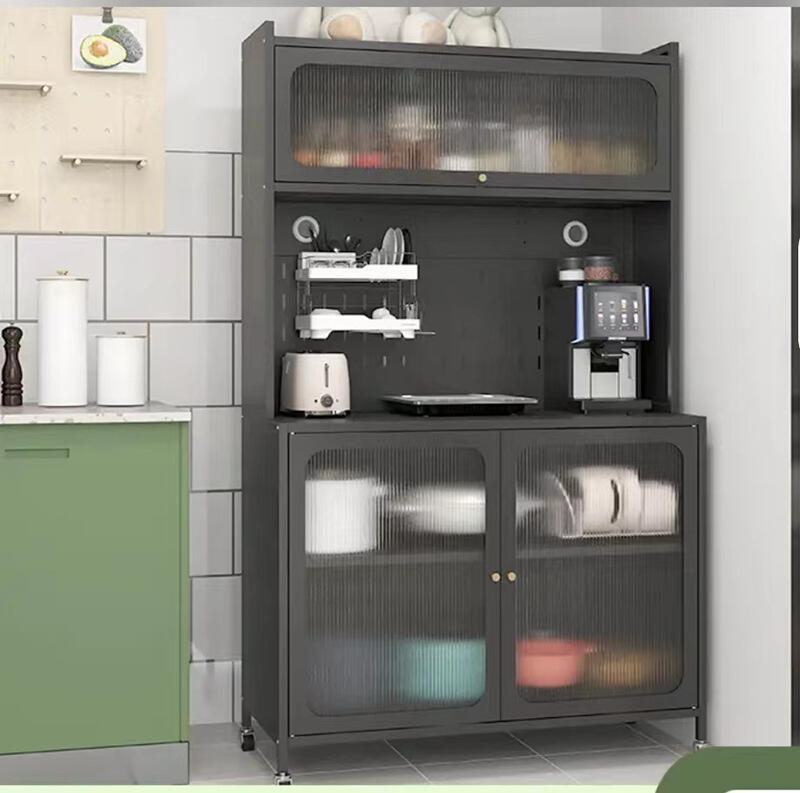
The evolution of steel cabinets has transformed these utilitarian storage solutions into sophisticated design elements that seamlessly blend functionality with aesthetic appeal. Modern steel cabinets are no longer confined to industrial settings or basement storage areas; they have become integral components of contemporary office spaces, residential interiors, and commercial environments. Today's designers are reimagining these robust storage solutions by incorporating innovative materials, sleek finishes, and cutting-edge manufacturing techniques that elevate steel cabinets from mere storage containers to statement pieces that enhance any space's overall design narrative.
Contemporary Minimalist Aesthetics
Clean Lines and Geometric Precision
The minimalist movement has profoundly influenced modern steel cabinet design, emphasizing clean lines, geometric precision, and uncluttered surfaces. Contemporary manufacturers are focusing on creating cabinets with seamless edges, hidden hardware, and smooth transitions between panels. This approach eliminates visual distractions and creates a sense of calm sophistication that complements modern interior design philosophies. The geometric precision inherent in steel fabrication allows designers to achieve perfectly aligned surfaces and sharp angles that would be difficult to accomplish with other materials.
Modern steel cabinets often feature flush-mounted doors with concealed hinges and integrated handles that maintain the clean aesthetic without compromising functionality. The precision manufacturing processes enable consistent gaps between panels and doors, creating uniform visual rhythms that contribute to the overall minimalist appeal. These design elements work together to create storage solutions that appear almost architectural in their simplicity and elegance.
Neutral Color Palettes and Monochromatic Schemes
Contemporary design trends favor neutral color palettes that allow steel cabinets to integrate seamlessly with various interior styles. Modern powder coating technologies enable manufacturers to achieve sophisticated color variations beyond traditional gray and black finishes. Popular contemporary colors include warm whites, soft grays, charcoal tones, and even subtle earth tones that complement natural materials like wood and stone. These neutral palettes ensure that steel cabinets serve as versatile backdrop elements rather than dominant focal points.
Monochromatic color schemes have gained significant popularity in modern office and residential environments. Designers are creating cohesive storage systems where multiple cabinets share identical finishes but vary in size and configuration. This approach creates visual harmony while maintaining functional flexibility, allowing users to expand their storage systems over time without disrupting the established aesthetic continuity.
Advanced Surface Treatments and Finishes
Textured and Tactile Surfaces
The latest trends in steel cabinet design embrace textured surfaces that add visual interest and tactile appeal to otherwise smooth metal surfaces. Advanced manufacturing techniques now enable the creation of subtle textures that range from fine grain patterns to more pronounced geometric textures. These surface treatments not only enhance the visual appeal but also serve practical purposes by reducing fingerprint visibility and providing better grip surfaces for handles and doors.
Brushed steel finishes have evolved beyond traditional horizontal brush patterns to include multidirectional textures, crosshatch patterns, and even organic-inspired surface treatments. These sophisticated textures catch and reflect light in interesting ways, creating dynamic visual effects that change throughout the day as lighting conditions vary. The interplay between texture and light adds depth and dimensionality to steel cabinet surfaces, making them more visually engaging than flat, untextured alternatives.
Hybrid Material Integration
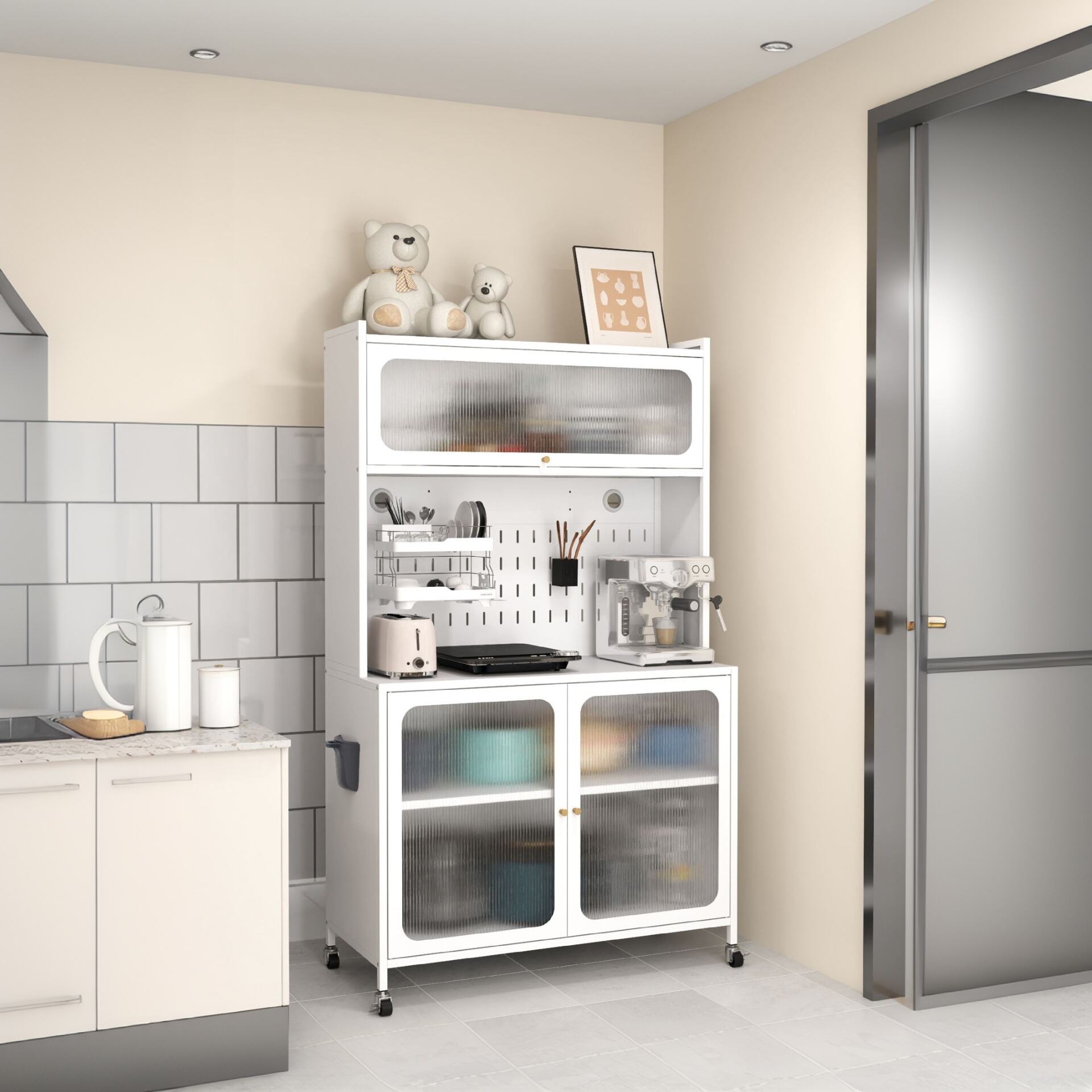
Contemporary steel cabinets increasingly incorporate complementary materials that enhance both aesthetic appeal and functional performance. Wood accents, glass panels, and composite materials are being strategically integrated to create visually striking contrasts and tactile variety. These hybrid designs leverage the structural strength of steel while introducing warmer, more organic elements that soften the industrial aesthetic and make the cabinets more approachable in residential and hospitality settings.
Glass panel inserts have become particularly popular in modern steel cabinet designs, providing visual transparency that allows users to locate stored items without opening doors. Frosted, tinted, and textured glass options offer varying levels of privacy while maintaining the clean, contemporary aesthetic. Wood trim elements, whether natural or engineered, add warmth and natural beauty that balances the cool precision of steel construction.
Smart Integration and Technology Features
Digital Access and Security Systems
Modern steel cabinets are increasingly incorporating advanced digital access systems that replace traditional mechanical locks with sophisticated electronic alternatives. Biometric scanners, RFID card readers, and smartphone-controlled access systems are becoming standard features in high-end commercial applications. These technologies not only enhance security but also provide detailed access logs and user management capabilities that are essential in professional environments where document security and compliance are paramount.
The integration of these digital systems requires careful consideration of power management, user interface design, and system reliability. Modern manufacturers are developing elegant solutions that incorporate charging capabilities, wireless connectivity, and intuitive user interfaces without compromising the clean aesthetic lines that define contemporary steel cabinet design. Battery backup systems ensure continued functionality during power outages, while wireless connectivity enables remote monitoring and management capabilities.
Modular and Adaptive Design Systems
The trend toward flexible workspace design has driven the development of modular steel cabinet systems that can be easily reconfigured as needs change. These systems feature standardized connection interfaces that allow individual units to be combined, separated, or rearranged without tools or permanent modifications. This adaptability is particularly valuable in dynamic work environments where storage requirements frequently evolve due to organizational changes or project-specific needs.
Adaptive internal organization systems represent another significant trend in modern steel cabinet design. Adjustable shelving systems, removable dividers, and customizable compartment configurations allow users to optimize storage efficiency for their specific requirements. These systems often incorporate quick-release mechanisms and tool-free adjustment capabilities that enable rapid reconfiguration without requiring maintenance personnel or specialized equipment.
Sustainable Design and Manufacturing Practices
Eco-Friendly Materials and Production Methods
Environmental consciousness is driving significant changes in steel cabinet manufacturing, with companies adopting sustainable practices throughout the production process. Recycled steel content has become a standard specification, with many manufacturers using steel that contains fifty percent or more recycled material. Advanced powder coating processes have replaced solvent-based finishing systems, eliminating volatile organic compounds and reducing environmental impact while maintaining superior finish quality and durability.
Energy-efficient manufacturing processes are being implemented to reduce the carbon footprint of steel cabinet production. Manufacturers are investing in renewable energy sources, optimizing production workflows to minimize waste, and developing closed-loop recycling systems that capture and reuse manufacturing byproducts. These sustainable practices not only benefit the environment but often result in cost savings that can be passed on to consumers while maintaining competitive pricing.
Longevity and Lifecycle Considerations
Modern steel cabinet design increasingly emphasizes longevity and lifecycle performance as key design criteria. This approach considers not only the initial aesthetic appeal but also how the cabinets will age and perform over extended periods of use. High-quality steel construction, advanced corrosion protection systems, and durable hardware components ensure that these storage solutions maintain their appearance and functionality for decades rather than requiring replacement after several years.
Manufacturers are also designing cabinets with end-of-life considerations in mind, using connection methods and material combinations that facilitate disassembly and recycling when the cabinets eventually reach the end of their useful life. This cradle-to-cradle approach ensures that the materials can be efficiently recovered and reused in new products, minimizing waste and supporting circular economy principles.
Ergonomic and User-Centered Design
Accessibility and Universal Design Principles
Contemporary steel cabinet design increasingly incorporates universal design principles that ensure accessibility for users with diverse physical capabilities and requirements. This includes consideration of reach ranges, door opening forces, handle ergonomics, and visual accessibility features. Modern cabinets often feature multiple handle options, including traditional pulls, push-to-open mechanisms, and lever-style handles that accommodate users with limited grip strength or dexterity challenges.
Height considerations have become more sophisticated, with manufacturers offering cabinet configurations that place frequently accessed storage at optimal heights while maintaining overall system efficiency. Adjustable shelving systems enable users to customize interior configurations to match their specific reach capabilities and usage patterns. These ergonomic considerations extend to maintenance and cleaning accessibility, with designs that facilitate easy access to all surfaces and components.
Organizational Efficiency and Workflow Optimization
Modern steel cabinets are designed with deep understanding of how users interact with storage systems in their daily workflows. Interior organization systems are becoming more sophisticated, with specialized compartments, document management features, and equipment storage solutions that support specific industry requirements. These design elements go beyond simple shelving to create storage ecosystems that actively support productivity and efficiency.
Visual organization aids, such as color-coded interior systems, labeling areas, and transparent storage components, help users quickly locate and access stored items. Some advanced systems incorporate inventory management features that work with barcode scanning or RFID tracking systems to maintain accurate records of stored materials and supplies. These organizational features transform steel cabinets from passive storage containers into active components of efficient workflow systems.
FAQ
What are the most popular finish options for modern steel cabinets?
The most popular finish options for modern steel cabinets include powder-coated surfaces in neutral tones such as white, light gray, charcoal, and black. Textured finishes like brushed steel, subtle grain patterns, and matte surfaces are increasingly preferred over glossy finishes. These options provide durability while maintaining contemporary aesthetic appeal and hiding fingerprints and minor scratches better than traditional smooth finishes.
How do smart features integrate with traditional steel cabinet designs?
Smart features integrate seamlessly with modern steel cabinet designs through discrete electronic components that maintain clean aesthetic lines. Digital locks, RFID access systems, and smartphone controls are typically embedded within door frames or handle assemblies without disrupting the cabinet's visual continuity. Power management systems use low-voltage connections and battery backup to ensure reliability while minimizing visible technology elements.
What makes modern steel cabinets more environmentally friendly than older models?
Modern steel cabinets incorporate higher percentages of recycled steel content, use environmentally friendly powder coating processes instead of solvent-based finishes, and are manufactured using energy-efficient production methods. Additionally, contemporary designs emphasize longevity and end-of-life recyclability, ensuring that the cabinets provide decades of service and can be efficiently recycled when they eventually reach the end of their useful life.
How do modular steel cabinet systems provide flexibility for changing workspace needs?
Modular steel cabinet systems feature standardized connection interfaces that allow individual units to be easily combined, reconfigured, or expanded without tools or permanent modifications. These systems include adjustable internal organization components, interchangeable modules of different sizes, and compatible accessories that enable users to adapt their storage solutions as organizational needs evolve. This flexibility supports dynamic work environments where storage requirements frequently change due to growth, reorganization, or project-specific needs.
Table of Contents
- Contemporary Minimalist Aesthetics
- Advanced Surface Treatments and Finishes
- Smart Integration and Technology Features
- Sustainable Design and Manufacturing Practices
- Ergonomic and User-Centered Design
-
FAQ
- What are the most popular finish options for modern steel cabinets?
- How do smart features integrate with traditional steel cabinet designs?
- What makes modern steel cabinets more environmentally friendly than older models?
- How do modular steel cabinet systems provide flexibility for changing workspace needs?