
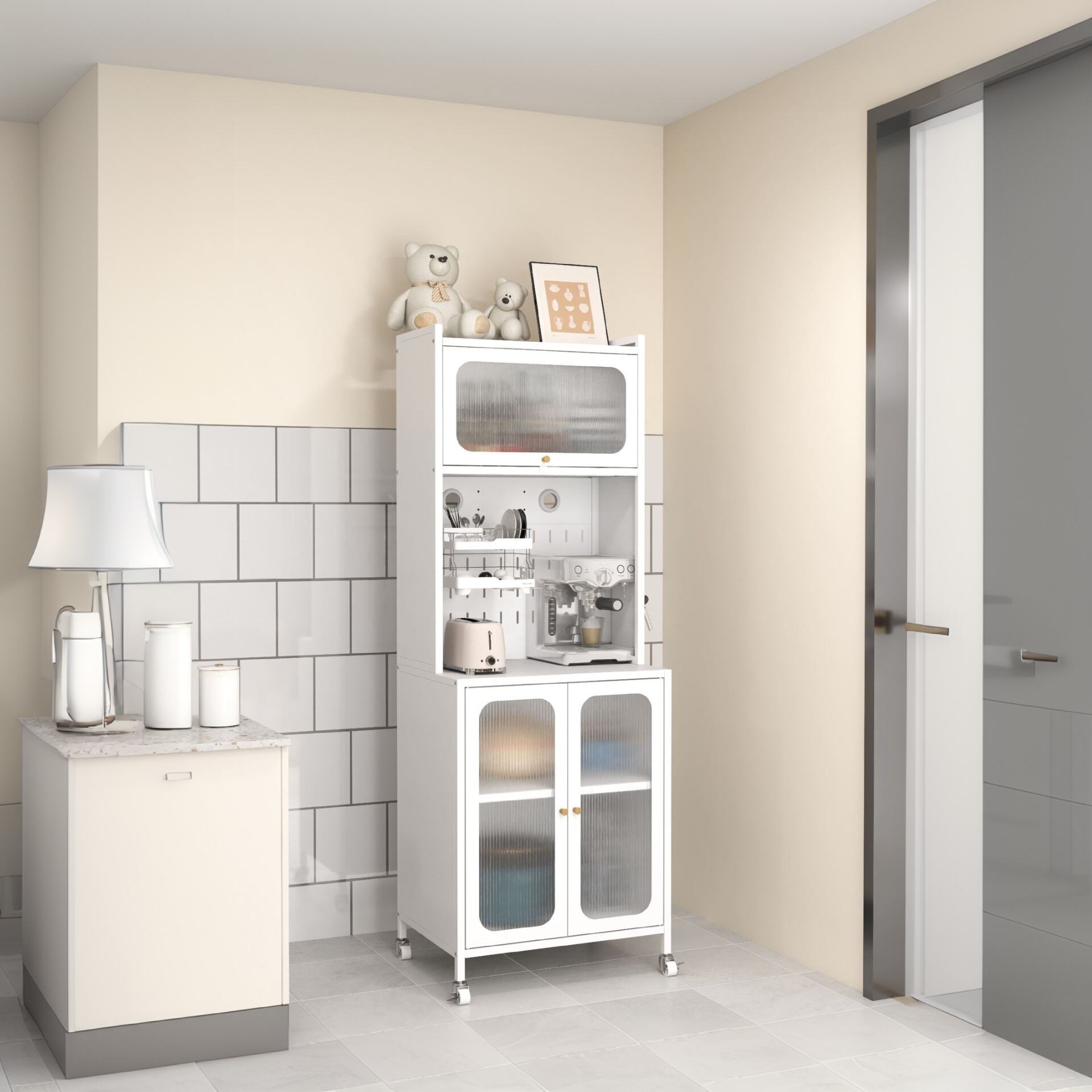
Industrial facilities across the globe are increasingly recognizing the value of investing in robust storage solutions that can withstand the demanding environments of factories and warehouses. When it comes to organizing documents, tools, and essential equipment, steel cabinets have emerged as the gold standard for businesses seeking durability, security, and long-term cost effectiveness. These heavy-duty storage solutions offer unmatched protection against theft, fire damage, and environmental hazards while maintaining organizational efficiency that directly impacts operational productivity.
The manufacturing and warehousing sectors face unique challenges that traditional wooden or plastic storage options simply cannot address. Steel cabinets provide the structural integrity needed to support heavy loads, resist impact damage, and maintain their functionality even in harsh industrial conditions. Factory managers and warehouse supervisors who prioritize operational efficiency understand that proper storage infrastructure is not merely an expense but a strategic investment that pays dividends through improved workflow, enhanced security, and reduced replacement costs over time.
Unmatched Durability in Industrial Environments
Resistance to Physical Damage and Wear
Steel cabinets excel in environments where equipment and materials are constantly being moved, where heavy machinery operates nearby, and where accidental impacts are commonplace. The robust construction of these storage units ensures they can withstand the daily wear and tear that would quickly compromise alternatives made from less durable materials. Industrial-grade steel maintains its structural integrity even when subjected to vibrations from heavy machinery, temperature fluctuations, and the general hustle and bustle of active production facilities.
Manufacturing environments often expose storage solutions to corrosive substances, moisture, and extreme temperatures that can rapidly deteriorate conventional materials. High-quality steel cabinets feature protective coatings and treatments that resist rust, corrosion, and chemical damage, ensuring that valuable contents remain protected regardless of environmental conditions. This resilience translates directly into cost savings as facility managers avoid frequent replacements and repairs that plague less durable storage options.
Long-Term Structural Integrity
The engineering behind modern steel cabinet construction incorporates reinforced joints, heavy-duty hinges, and precision-welded seams that maintain their effectiveness for decades rather than years. This longevity is particularly valuable in industrial settings where storage needs remain consistent over extended periods, and where the cost of downtime associated with storage system failures can significantly impact production schedules and profitability.
Investment in quality steel cabinets represents a commitment to sustainable business practices, as these durable units reduce the need for frequent replacements and minimize waste generation. The extended lifespan of steel storage solutions aligns with corporate sustainability goals while delivering measurable financial benefits through reduced procurement and disposal costs over the operational lifetime of industrial facilities.
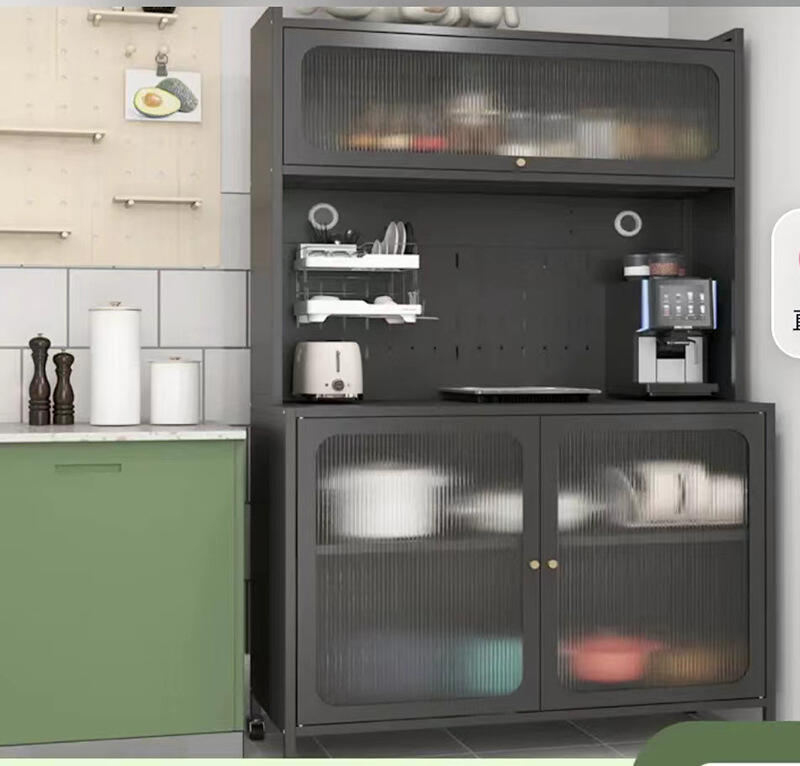
Enhanced Security Features for Valuable Assets
Advanced Locking Mechanisms
Security concerns in industrial environments extend beyond protecting valuable equipment and materials to safeguarding sensitive documentation, proprietary information, and controlled substances that require restricted access. Steel cabinets equipped with sophisticated locking systems provide multiple levels of security that can be tailored to specific organizational needs and compliance requirements.
Modern locking mechanisms available on industrial-grade storage units include traditional key locks, combination locks, and advanced electronic access control systems that maintain detailed logs of who accesses stored materials and when. This level of security monitoring is increasingly important in regulated industries where audit trails and access documentation are required for compliance with safety, quality, and security standards.
Protection Against Unauthorized Access
The inherent strength of steel construction makes these cabinets extremely difficult to breach through physical force, providing a significant deterrent against theft and unauthorized access. Unlike wooden or plastic alternatives that can be easily compromised with basic tools, steel storage units require specialized equipment and considerable time to breach, making them unsuitable targets for opportunistic theft.
Industrial facilities often house valuable tools, spare parts, and sensitive materials that represent significant capital investments. Protecting these assets through secure storage not only prevents direct losses but also eliminates the operational disruptions and productivity losses that occur when critical items are unavailable when needed most.
Cost-Effectiveness and Return on Investment
Reduced Replacement and Maintenance Costs
While the initial purchase price of steel cabinets may exceed that of alternative materials, the total cost of ownership over their operational lifespan demonstrates clear financial advantages. The durability and longevity of steel construction eliminate the recurring costs associated with replacing damaged or worn-out storage units, creating substantial savings that accumulate over time.
Maintenance requirements for quality steel storage solutions are minimal, typically involving only periodic cleaning and occasional lubrication of moving parts. This low-maintenance characteristic reduces both direct maintenance costs and the indirect costs associated with storage system downtime that can disrupt operations and impact productivity.
Insurance and Liability Benefits
Many insurance providers offer reduced premiums for businesses that implement comprehensive security measures, including secure storage systems for valuable assets and sensitive materials. Steel cabinets with proper locking mechanisms demonstrate a commitment to risk management that insurance companies recognize through more favorable policy terms and reduced liability exposure.
The fire-resistant properties of steel construction provide additional protection for stored materials, potentially reducing losses in the event of facility fires and demonstrating due diligence in asset protection that can positively influence insurance coverage and claims processing.
Organizational Efficiency and Workflow Optimization
Systematic Storage and Retrieval
Effective organization is fundamental to maintaining efficient operations in busy industrial environments where time spent searching for materials or documents directly impacts productivity and profitability. Steel cabinets offer multiple configuration options, including adjustable shelving, drawer systems, and compartmentalized storage that can be customized to accommodate specific organizational needs and workflow requirements.
The ability to implement systematic storage approaches using clearly labeled, secure compartments reduces time waste associated with disorganized storage areas and ensures that critical materials are readily accessible when needed. This improved accessibility translates into faster task completion, reduced labor costs, and enhanced overall operational efficiency.
Space Utilization and Layout Flexibility
Modern steel cabinet designs maximize vertical storage capacity while maintaining compact footprints that optimize floor space utilization in crowded industrial facilities. The ability to stack units safely or integrate them into existing storage systems provides flexibility for growing operations that need to expand storage capacity without relocating or significantly modifying facility layouts.
Strategic placement of steel storage units can improve workflow patterns by positioning frequently accessed materials closer to work areas while keeping less commonly used items in secure, organized locations. This thoughtful approach to storage planning enhances productivity and reduces the physical strain on workers who would otherwise need to travel longer distances to retrieve necessary materials.
Environmental Resistance and Climate Control
Moisture and Humidity Protection
Industrial environments often struggle with humidity control, condensation issues, and occasional water exposure that can damage sensitive materials, documents, and equipment stored in conventional cabinets. Steel cabinets with proper sealing provide effective barriers against moisture infiltration, protecting valuable contents from water damage, mold growth, and humidity-related deterioration.
The non-porous nature of steel surfaces prevents moisture absorption and bacterial growth that can compromise stored materials and create health hazards in workplace environments. This characteristic is particularly valuable for facilities that store paper documents, electronic components, or materials that are sensitive to humidity fluctuations.
Temperature Stability and Thermal Protection
Steel construction provides excellent thermal mass that helps stabilize internal temperatures and protect stored materials from rapid temperature fluctuations that can occur in industrial settings. This thermal stability is especially important for facilities that store temperature-sensitive materials, chemicals, or electronic equipment that require consistent environmental conditions to maintain their integrity and functionality.
The fire-resistant properties of steel cabinets provide an additional layer of protection for critical documents and valuable materials, potentially preserving essential business records and equipment in the event of facility fires or thermal emergencies that could otherwise result in catastrophic losses.
Compliance and Regulatory Considerations
Industry Standards and Safety Requirements
Many industrial sectors are subject to strict regulatory requirements regarding the storage of hazardous materials, controlled substances, sensitive documents, and valuable equipment. Steel cabinets designed to meet industry-specific standards help facilities maintain compliance with safety regulations, security requirements, and audit standards that are essential for continued operations and legal protection.
Regulatory compliance often requires detailed documentation of storage procedures, access controls, and security measures that steel cabinet systems can support through integrated locking mechanisms, access logs, and standardized organizational protocols that meet or exceed regulatory expectations.
Audit Trail and Documentation Support
Advanced steel cabinet systems can incorporate electronic monitoring and access control features that automatically generate audit trails and access documentation required for regulatory compliance. These capabilities eliminate manual record-keeping requirements while providing more accurate and comprehensive documentation that satisfies audit requirements and supports quality management systems.
The ability to demonstrate proper storage protocols and security measures through documented access controls and organized storage systems can significantly simplify regulatory inspections and compliance audits while reducing the risk of violations that could result in operational disruptions or financial penalties.
FAQ
What makes steel cabinets more suitable for industrial use than other materials
Steel cabinets offer superior durability, security, and resistance to industrial hazards compared to wood, plastic, or composite alternatives. They withstand physical impacts, resist corrosion and chemical damage, provide better fire protection, and maintain structural integrity in harsh environments where other materials would quickly deteriorate or fail to provide adequate security for valuable contents.
How do steel cabinets contribute to workplace safety and compliance
Steel storage solutions support workplace safety by providing secure storage for hazardous materials, tools, and sensitive equipment while meeting regulatory requirements for controlled access and documentation. Their robust locking systems prevent unauthorized access to dangerous materials, while their fire-resistant properties help protect critical documents and equipment, supporting overall safety protocols and compliance with industry regulations.
What long-term cost benefits do steel cabinets provide for industrial facilities
Steel cabinets deliver significant long-term cost savings through reduced replacement frequency, minimal maintenance requirements, and lower insurance premiums due to enhanced security features. Their extended lifespan eliminates recurring purchase costs, while their durability reduces operational disruptions and productivity losses associated with storage system failures or security breaches.
How can steel cabinets improve operational efficiency in warehouses and factories
Steel cabinets enhance operational efficiency by providing systematic organization capabilities, secure storage for valuable assets, and reliable access to essential materials when needed. Their customizable configurations support optimized workflow patterns, while their durability ensures consistent availability without maintenance-related downtime, ultimately reducing time waste and improving overall productivity in industrial operations.
Table of Contents
- Unmatched Durability in Industrial Environments
- Enhanced Security Features for Valuable Assets
- Cost-Effectiveness and Return on Investment
- Organizational Efficiency and Workflow Optimization
- Environmental Resistance and Climate Control
- Compliance and Regulatory Considerations
-
FAQ
- What makes steel cabinets more suitable for industrial use than other materials
- How do steel cabinets contribute to workplace safety and compliance
- What long-term cost benefits do steel cabinets provide for industrial facilities
- How can steel cabinets improve operational efficiency in warehouses and factories