
 EN
EN
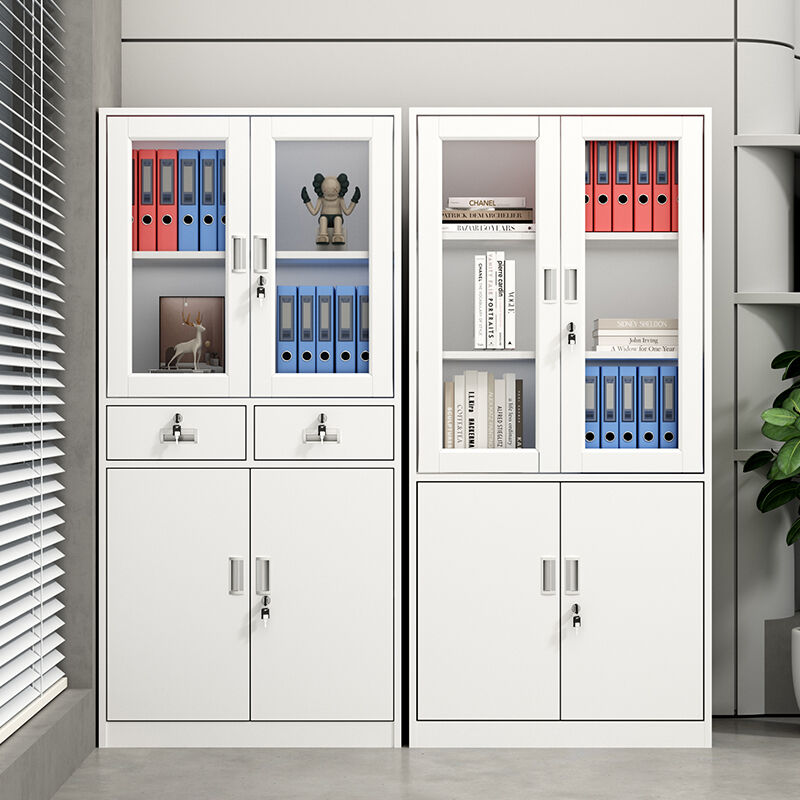
The Manufacturing Process of Steel Filing Cabinets
From Raw Materials to Precision-Engineered Storage Solutions
Introduction
Steel filing cabinets represent the pinnacle of durable, secure, and efficient office storage solutions. The manufacturing journey of these essential office fixtures involves a sophisticated combination of advanced technology, meticulous craftsmanship, and rigorous quality control. This comprehensive process transforms raw steel sheets into reliable storage units that protect important documents while enhancing workspace organization and aesthetics.
Modern manufacturing techniques have revolutionized the production of steel filing cabinets, allowing for unprecedented precision, consistency, and customization. From corporate offices to government institutions, these cabinets serve as foundational elements of organized workspaces, requiring both functional excellence and enduring durability.
Material Selection and Preparation
The manufacturing process begins with the careful selection of premium cold-rolled steel, chosen for its superior strength, formability, and corrosion resistance. Typically ranging from 0.7mm to 1.2mm in thickness, this high-grade steel provides the structural integrity necessary for heavy-duty filing applications while maintaining manageable weight.
Quality manufacturers source steel from certified suppliers who provide material test certificates, ensuring consistent mechanical properties and chemical composition. The steel coils undergo thorough inspection for surface imperfections before being precisely cut into standardized sheets, ready for the fabrication process.
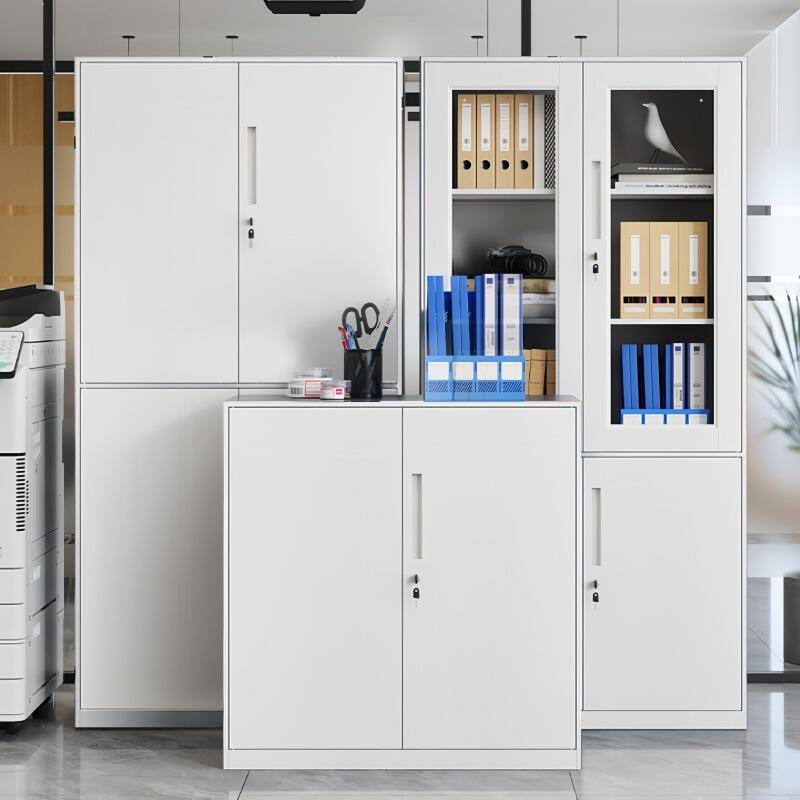
The Manufacturing Process
Precision Cutting and Blanking
The steel sheets are loaded into computer-controlled laser cutting machines that execute CAD-designed patterns with micron-level accuracy. This technology enables complex shapes and precise cutouts for locks, handles, and ventilation while minimizing material waste. Modern laser systems can process multiple sheets simultaneously, significantly improving production efficiency.
Forming and Bending Operations
Cut components proceed to CNC-controlled press brakes and forming machines that create the three-dimensional cabinet structure. These sophisticated machines apply calculated pressure to form precise bends at predetermined angles, creating the cabinet body, drawers, and structural reinforcements. Consistent bending ensures perfect alignment during assembly and optimal drawer operation.
Robotic Welding and Assembly
Automated robotic welding systems join the formed components with consistent, high-strength welds. These systems provide superior accuracy compared to manual welding, ensuring uniform weld penetration and minimizing heat distortion. Critical structural joints receive multiple weld passes to guarantee exceptional durability under heavy loads.
Surface Preparation and Treatment
The welded cabinets undergo a comprehensive seven-stage pretreatment process: alkaline degreasing removes manufacturing residues, multiple rinses eliminate contaminants, phosphating creates a corrosion-resistant crystalline layer, and final rinsing prepares surfaces for coating. This pretreatment is crucial for optimal paint adhesion and long-term corrosion protection.
Electrostatic Powder Coating
Cabinets receive an even application of high-quality polyester powder through electrostatic spray guns. The charged powder particles adhere uniformly to all surfaces, including edges and corners. The coated cabinets then enter curing ovens where temperatures reaching 200°C (392°F) melt and crosslink the powder into a durable, resilient finish that resists chipping, scratching, and fading.
Final Assembly and Hardware Installation
Trained technicians install precision-engineered components including drawer suspension systems, locking mechanisms, handles, and labeling hardware. Each drawer undergoes adjustment to ensure smooth, quiet operation under full load. Quality checks verify proper alignment, functionality of locking systems, and overall structural integrity before packaging.
Quality Assurance and Testing
Throughout the manufacturing process, multiple quality control checkpoints ensure every cabinet meets rigorous standards. Dimensional verification confirms component accuracy within ±0.5mm tolerances. Welding integrity undergoes ultrasonic testing, while coating thickness is measured with electronic gauges to ensure uniform coverage.
Finished cabinets undergo functional testing including:
These comprehensive tests guarantee that each filing cabinet delivers reliable performance throughout its service life, even in demanding office environments.
Customization and Special Features
Modern manufacturing capabilities allow for extensive customization to meet specific organizational needs. Options include specialized drawer configurations, modular expansion systems, integrated locking mechanisms, and custom color matching to corporate branding guidelines. Advanced features such as fire-resistant construction, sound-dampening materials, and enhanced security systems can be incorporated for specialized applications.
Manufacturers increasingly offer sustainable production options utilizing recycled steel content and eco-friendly powder coatings with low VOC emissions, supporting corporate sustainability initiatives while maintaining product performance.
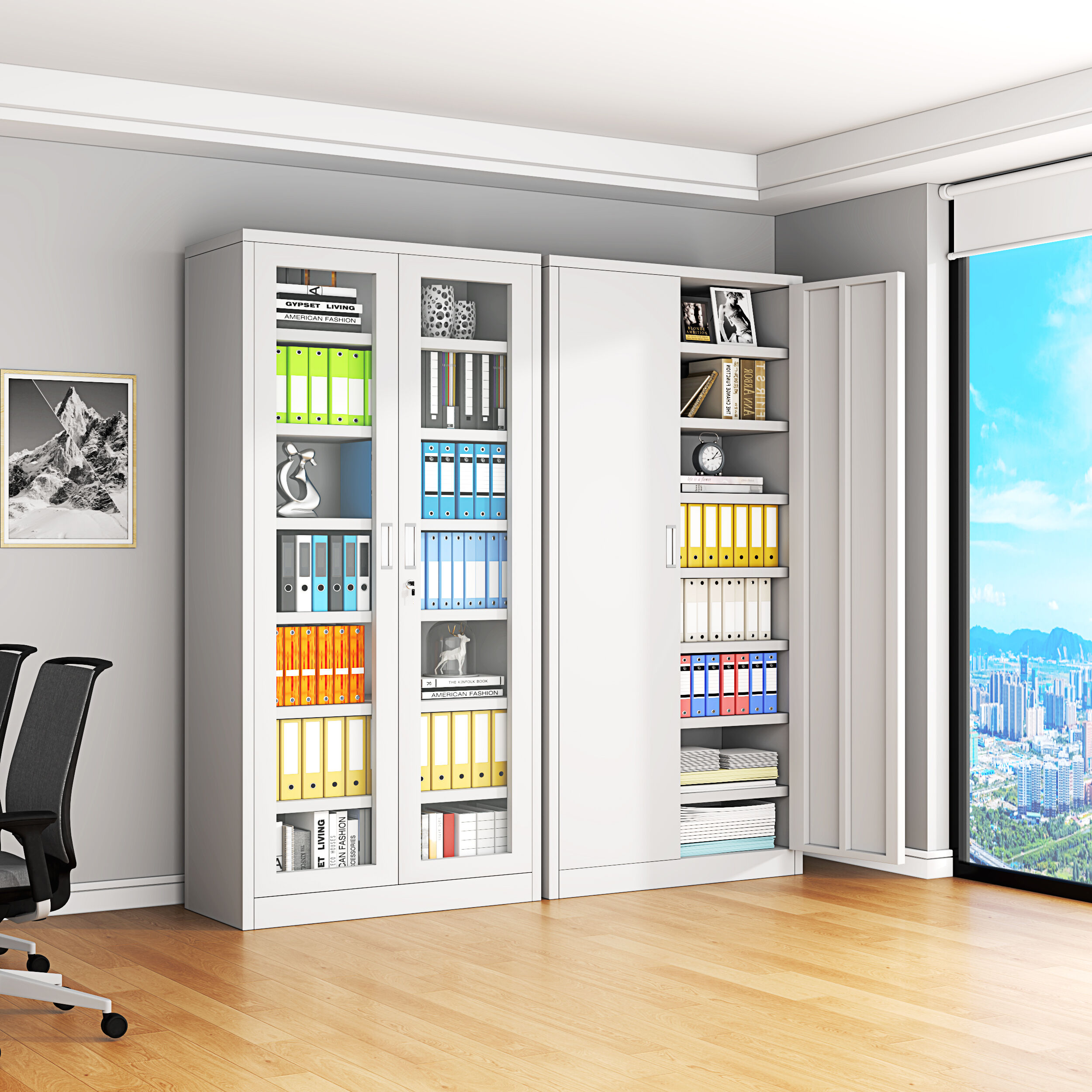
Conclusion
The manufacturing of steel filing cabinets represents a sophisticated integration of traditional metalworking principles with advanced industrial automation. From initial material selection through precision fabrication to final quality verification, each step contributes to creating storage solutions that balance durability, functionality, and aesthetic appeal.
As workplace needs evolve, manufacturers continue to innovate with smarter designs, enhanced materials, and more sustainable processes. The result is a product category that has transformed from simple storage containers into integrated organizational systems that support productivity, security, and efficient space utilization in modern work environments.