
 EN
EN
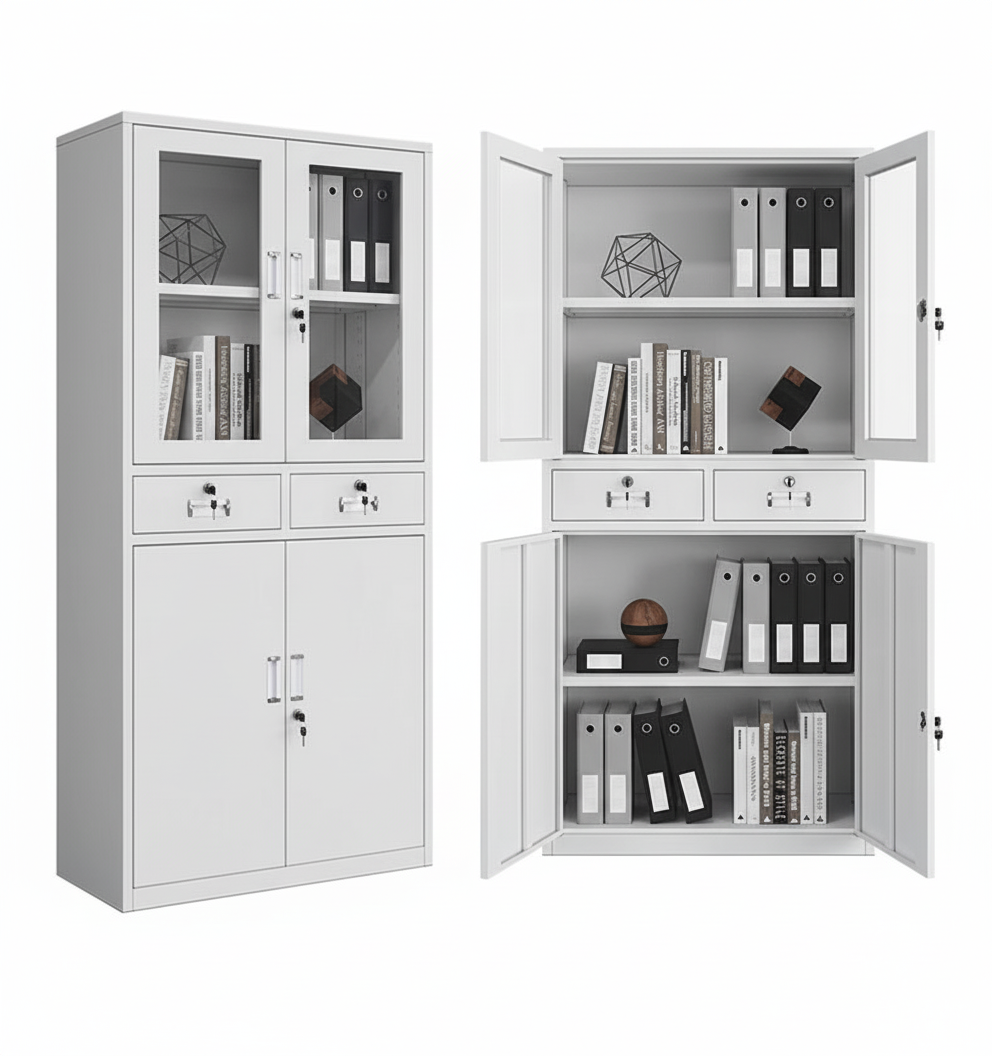
How Steel Filing Cabinet Shaped Modern Information Management
In bustling landscape of modern offices, few objects are as overlooked—yet as transformative—as steel filing cabinet. While often dismissed as mere furniture, these cabinets are silent witnesses to a revolution in how we organize, secure, and conceptualize information. From their role in democratizing data access to their unexpected influence on architectural design, steel filing cabinets have stories to tell that go far beyond storage. Let's explore the hidden legacy of these everyday heroes.
The Vertical Revolution: From Bound Volumes to Accessible Archives
Before the advent of vertical filing cabinets, information was trapped in heavy ledgers, bound volumes, and disorganized stacks. The shift to vertical storage wasn't just a logistical improvement—it was a philosophical one. By turning pages upright and organizing them into labeled folders, steel filing cabinets transformed static records into dynamic tools for retrieval and analysis.
This innovation mirrored the rise of skyscrapers in urban landscapes: both leveraged vertical space to maximize efficiency in crowded environments. Just as steel frames enabled buildings to reach new heights, steel cabinets allowed offices to store more information in less floor space, paving the way for the data-driven workflows we rely on today.
Security and Society: The Filing Cabinet as a Keeper of Secrets
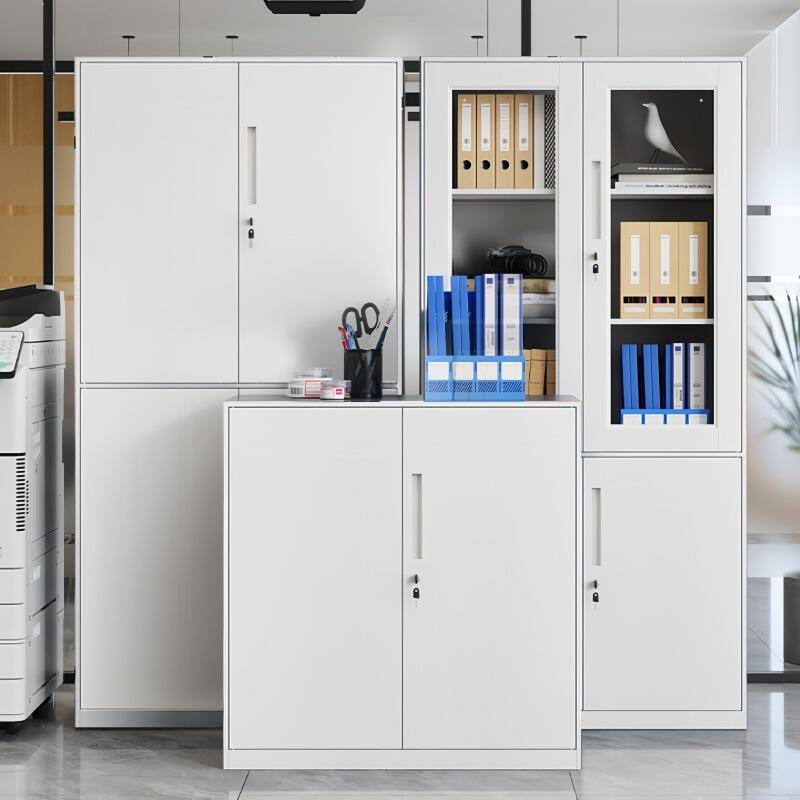
Steel filing cabinets did more than organize paper—they introduced a new ethic of confidentiality. In sectors like law, healthcare, and finance, locking mechanisms and durable builds became synonymous with trust. For example, modern cabinets with central locking systems allow all drawers to be secured simultaneously, ensuring sensitive documents remain protected from unauthorized access.
Historically, this security also reinforced social hierarchies. As noted in Craig Robertson's The Filing Cabinet, female clerks in early 20th century were often tasked with handling files without understanding their contents, while male executives controlled knowledge within. The cabinet thus became a physical barrier, reflecting—and perpetuating—gender divides in the workplace.
Mobility and Modernity: The Rise of Agile Workspaces
The static filing cabinets of the past have given way to mobile solutions designed for today's dynamic offices. Modern units like Vinsetto vertical cabinet on wheels or Jslocker's D192 mobile pedestal prioritize flexibility, allowing users to bring files to collaborative spaces or reconfigure layouts on demand.
This evolution reflects a broader shift in workplace philosophy: storage is no longer anchored to a corner but integrated into fluid, adaptable environments. By combining mobility with robust security (e.g., lockable drawers and anti-tip mechanisms), these cabinets support hybrid work models where information follows people, not the other way around.
Engineering Ingenuity: The Science Behind the Steel
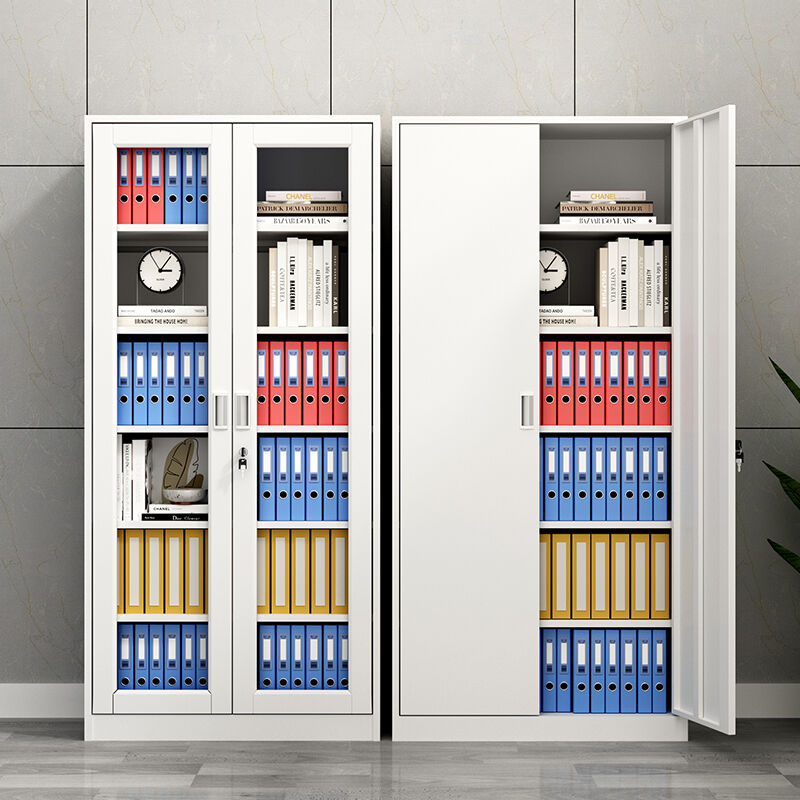
The durability of steel filing cabinets isn't accidental—it's the result of deliberate engineering. Cold-rolled steel, electrostatic powder coating, and reinforced corners ensure resistance to wear, corrosion, and even physical impact. Some manufacturers, like Jslocker, use electrophoretic spray processes for enhanced anti-rust properties, while others optimize weight distribution to support loads of up to 100 pounds per drawer without buckling.
These technical details matter. A cabinet's ability to withstand decades of use—or protect documents during a fire—stems from innovations in material science and design, making it a long-term investment rather than a short-term solution.
From Paper to Pixels: The Filing Cabinet's Digital Legacy
Even in the digital age, the logic of filing cabinets endures. The folder-based interfaces of modern operating systems (think of your computer's "Documents" folder) are direct descendants of physical filing systems. This familiarity bridges the gap between analog and digital, helping users navigate virtual spaces with metaphors rooted in physical organization.
Moreover, as concerns about data privacy and cyber threats grow, the steel cabinet's role as a tangible safeguard has gained new relevance. For highly sensitive information, physical storage in a locked cabinet remains a valid layer of security against digital breaches.
Sustainability and Longevity: The Eco-Conscious Choice
Steel filing cabinets are inherently sustainable. Unlike alternatives made from wood or plastic, steel is 100% recyclable, and its durability reduces the need for frequent replacements. Manufacturers like Pulage now use eco-friendly powder coatings free of volatile organic compounds (VOCs), aligning with corporate sustainability goals.
By choosing a well-made steel cabinet, businesses invest in a product that can serve multiple generations—a stark contrast to the disposable culture of fast furniture. This longevity not only reduces waste but also embodies a philosophy of thoughtful consumption.
Conclusion: More Than Metal
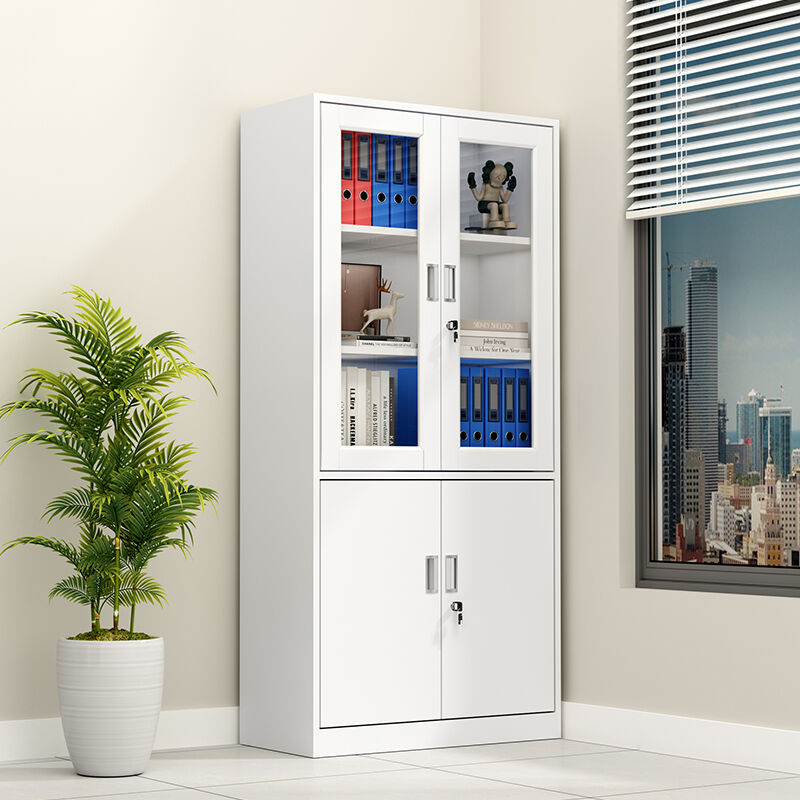
Steel filing cabinets are artifacts of cultural and technological history. They revolutionized information management, shaped workplace dynamics, and continue to evolve alongside our needs for security, mobility, and sustainability. In an era of cloud storage and AI, their physical presence reminds us that how we organize our world—both physically and digitally—matters.
At Pulage, we honor this legacy by designing cabinets that blend historical resilience with modern innovation. Because the quietest objects often have the loudest stories to tell.
Explore Pulage collection to discover filing solutions built for the past, present, and future.
Table of Contents
- How Steel Filing Cabinet Shaped Modern Information Management
- The Vertical Revolution: From Bound Volumes to Accessible Archives
- Security and Society: The Filing Cabinet as a Keeper of Secrets
- Mobility and Modernity: The Rise of Agile Workspaces
- Engineering Ingenuity: The Science Behind the Steel
- From Paper to Pixels: The Filing Cabinet's Digital Legacy
- Sustainability and Longevity: The Eco-Conscious Choice
- Conclusion: More Than Metal