
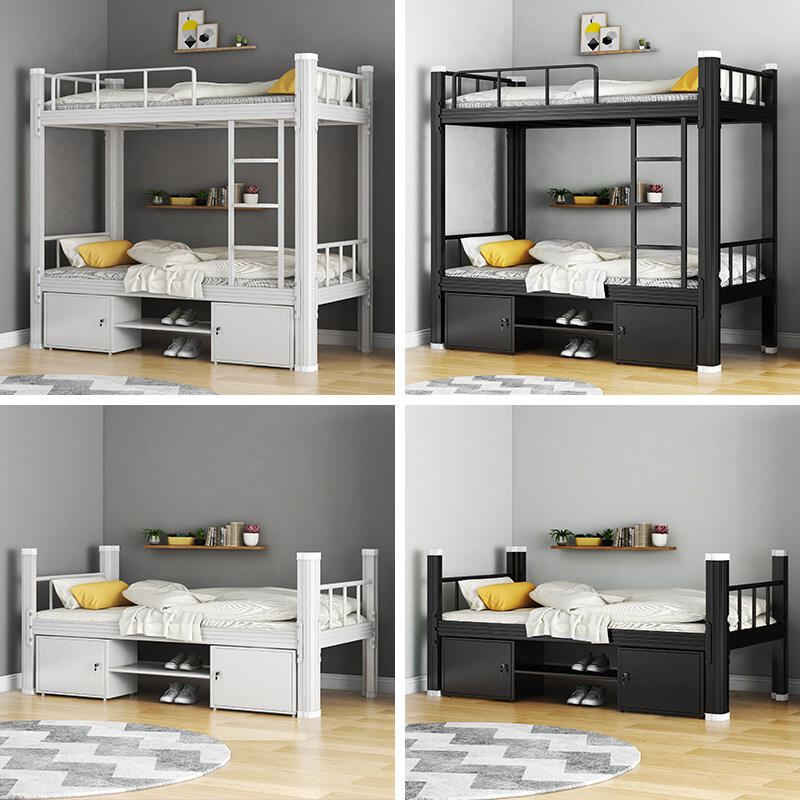
Dormitory beds are fundamental to student living, designed to maximize space efficiency while providing comfort and functionality in shared accommodations. In 2025, dorm beds typically adhere to standardized dimensions and configurations to accommodate the needs of educational institutions. This guide examines the common types of beds found in dormitories, their features, benefits, and considerations, assisting students and parents in preparing for campus life.

Common Types of Beds in Dormitories
Dorm beds are engineered for practicality, often prioritizing space-saving designs in compact rooms. The following types represent the most prevalent options in modern dormitories:
- Twin XL Beds: These are the standard in most dorms, measuring 39 inches wide by 80 inches long, providing extra length for taller individuals compared to a regular twin bed.
- Bunk Beds: Two beds stacked vertically to optimize floor space, commonly used in shared rooms, with safety rails and ladders for access to the upper bunk.
- Loft Beds: Elevated beds that create space beneath for desks or storage, ideal for single occupants seeking multifunctional room layouts.
- Captain's Beds: Beds with built-in drawers or storage compartments underneath, offering additional organization in limited spaces.
- Modular Beds: Adjustable systems that can be configured as singles, bunks, or lofts, providing flexibility for room arrangements.
Did You Know? Twin XL beds account for approximately 80% of dormitory bedding in U.S. colleges, due to their compatibility with standard room dimensions and student comfort requirements.
Key Features of Dormitory Beds
Dorm beds incorporate specific features to ensure safety, durability, and convenience in shared living environments:
- Material Construction: Often made from metal for strength and longevity, or wood for aesthetic appeal, with reinforced frames to support daily use.
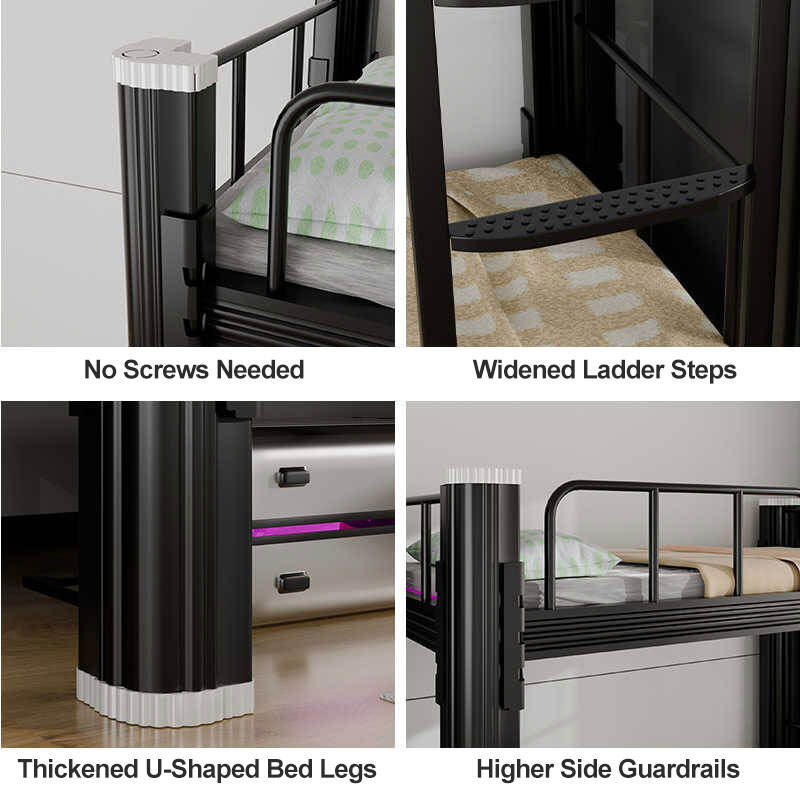
- Safety Elements: Guardrails on upper bunks, sturdy ladders, and weight capacity ratings (typically 200-300 pounds per bed) to prevent accidents.
- Adjustability: Height-adjustable frames or modular components to accommodate different room setups or storage needs.
- Mattress Compatibility: Designed for standard twin XL mattresses, with slats or platforms providing support without box springs.
- Space-Saving Design: Elevated or stackable configurations to free up floor area for desks, seating, or additional storage.
Benefits of Standard Dormitory Bed Types
Each type of dorm bed offers unique advantages tailored to student living:
- Twin XL: Provides ample length for comfort, suitable for individual sleeping arrangements.
- Bunk Beds: Maximizes vertical space, allowing two occupants in a single bed footprint.
- Loft Beds: Creates under-bed space for study or relaxation areas, enhancing room functionality.
- Captain's Beds: Integrates storage drawers, reducing the need for additional furniture.
- Modular Beds: Offers reconfiguration options, adapting to changing roommate dynamics or personal preferences.
Comparison of Dormitory Bed Types
| Type | Dimensions (inches) | Capacity | Best For | Advantages |
|---|---|---|---|---|
| Twin XL | 39 x 80 | 1 Person | Single Rooms | Comfortable Length |
| Bunk Beds | 39 x 80 (per bed) | 2 Persons | Shared Rooms | Space-Saving |
| Loft Beds | 39 x 80 (elevated) | 1 Person | Study Spaces | Under-Bed Storage |
| Captain's Beds | 39 x 80 | 1 Person | Storage Needs | Built-In Drawers |
| Modular Beds | Variable | 1-2 Persons | Flexible Layouts | Reconfigurable |
How to Prepare for Dormitory Beds
To ensure a comfortable transition to dormitory living, follow these steps:
- Check Institutional Guidelines: Confirm bed type and dimensions provided by the college or university.
- Select Appropriate Bedding: Purchase twin XL sheets, mattress toppers, and protectors for optimal fit and comfort.
- Consider Safety: For bunk or loft beds, verify guardrails and ladders meet standards.
- Plan for Storage: Use under-bed organizers or risers to enhance space utilization.
- Personalize: Add bed skirts or curtains for privacy and style in shared setups.
Common Questions About Dormitory Beds
Below are answers to frequently asked questions regarding dormitory beds:
- What size mattress fits dorm beds? Most require twin XL mattresses, measuring 39 inches wide by 80 inches long.
- Are dorm beds adjustable? Many modular or loft beds offer height adjustments, but standard bunks are fixed.
- Can I bring my own bed to a dorm? Policies vary; check with the institution, as most provide beds and prohibit replacements.
- How do I make a dorm bed more comfortable? Add a mattress topper, quality sheets, and pillows to improve sleep quality.
- What safety features are standard? Bunk beds include guardrails and ladders; ensure compliance with campus regulations.
Tips for Maintaining Dormitory Beds
Proper maintenance ensures dormitory beds remain safe and functional:
- Regular Inspections: Check for loose bolts or damaged rails monthly to prevent accidents.
- Clean Bedding: Wash sheets and mattress covers regularly to maintain hygiene.
- Avoid Overloading: Limit weight on upper bunks to manufacturer specifications.
- Use Protectors: Employ mattress protectors to guard against spills and wear.
- Personalize Safely: Avoid modifications that compromise structural integrity.
Recommended Pulage Metal Bunk Bed
For durable and space-efficient dormitory bedding, consider Pulage Furniture's Metal Bunk Bed. As a manufacturer specializing in metal furniture, Pulage offers robust steel construction with safety rails, ladders, and a powder-coated finish for corrosion resistance. This bunk bed accommodates twin XL mattresses, supports up to 300 pounds per level, and features a modular design for easy assembly and reconfiguration. Ideal for shared dorm rooms, it combines strength, safety, and modern style to enhance student living spaces. Visit Pulage Furniture for customizable options that meet dormitory requirements.
Conclusion
Dormitory beds are tailored for efficient, comfortable student living, with types like twin XL, bunks, and lofts addressing space constraints in shared environments. By understanding these options and preparing accordingly, students can create a functional and personalized sleeping area. Proper maintenance and safety adherence ensure a positive dormitory experience throughout the academic year.