
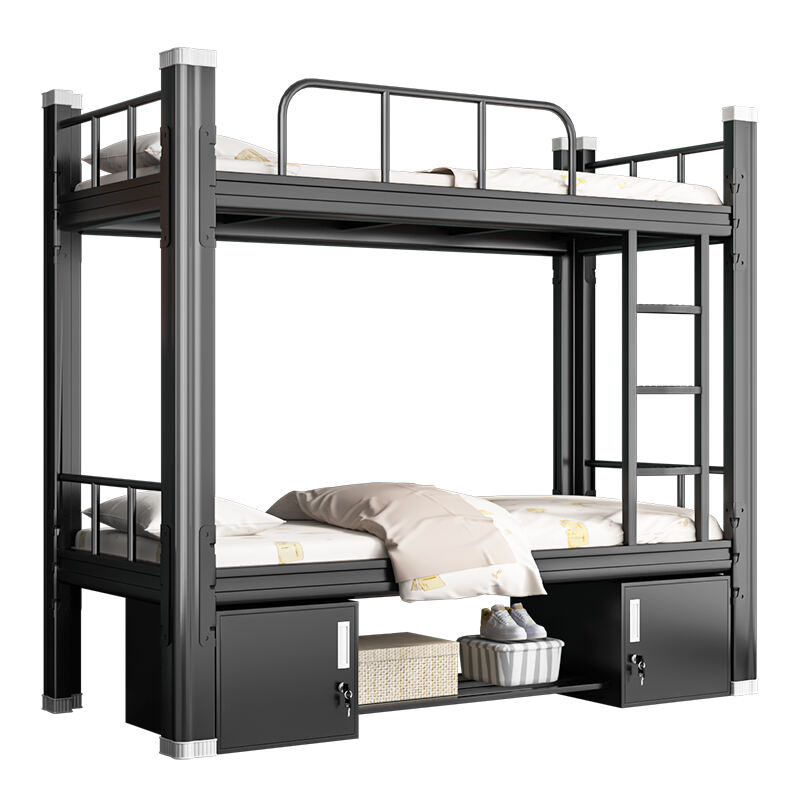
Maximizing Living Space with Smart Bunk Bed Solutions
Living in a small apartment doesn't mean compromising on comfort or style. A well-chosen bunk bed can transform your limited space into a functional and aesthetically pleasing environment. Whether you're accommodating growing children, hosting frequent guests, or simply seeking to optimize your apartment's square footage, selecting the perfect bunk bed requires careful consideration of various factors.
The modern bunk bed has evolved far beyond the basic metal frames of the past. Today's designs incorporate innovative features like built-in storage, workstations, and versatile configurations that adapt to your changing needs. Understanding how to evaluate these options ensures you make an investment that enhances both your living space and lifestyle.
Essential Design Considerations for Urban Living
Space-Saving Configurations
When selecting a bunk bed for a small apartment, the configuration is paramount. L-shaped designs can maximize corner spaces, while straight vertical arrangements make the most of ceiling height. Consider models with perpendicular lower bunks that create cozy nooks perfect for reading or studying. Some innovative designs even incorporate murphy-style mechanisms, allowing the entire unit to fold against the wall when not in use.
The clearance between bunks also deserves attention. Standard heights typically range from 30 to 36 inches, but some models offer adjustable heights to accommodate different ceiling configurations. Always measure your room's dimensions carefully, including ceiling height, to ensure proper fit and comfortable access.
Material Selection and Durability
In small apartments where furniture faces daily intensive use, material quality becomes crucial. Solid wood frames offer exceptional durability and classic appeal, though they tend to be heavier and more expensive. Metal frames provide strength with a lighter profile and often cost less, making them ideal for budget-conscious urbanites. Modern composites and engineered woods strike a balance between durability and affordability while offering various finish options.
The finish of your bunk bed can significantly impact the room's atmosphere. Light colors and natural wood tones can make spaces feel more open, while darker finishes add sophistication. Consider how the material and finish will coordinate with your existing décor and maintain their appearance over time.
Functional Features for Maximum Utility
Integrated Storage Solutions
Storage integration transforms a bunk bed from simple sleeping quarters into a comprehensive space management system. Look for models featuring built-in drawers beneath the lower bunk, integrated shelving along the sides, or stairs that double as storage units. These multifunctional elements eliminate the need for additional furniture pieces, keeping your apartment's footprint minimal while maximizing organization options.
Some innovative designs include wardrobe sections or pull-out desks, creating complete bedroom solutions within a single unit. Consider how much storage you currently need and anticipate future requirements when evaluating these features.
Safety and Accessibility Features
Safety features become especially important in compact spaces where movement might be restricted. Full-length guardrails, secure ladder attachments, and anti-slip surfaces are essential elements to evaluate. The ladder's design and placement should allow easy access without compromising the room's flow. Some models offer alternating tread stairs instead of traditional ladders, providing safer and more comfortable access to the upper bunk.
For apartments with lower ceilings, consider bunk beds with reduced height profiles that still maintain safety standards. Look for models certified by recognized safety organizations and those featuring robust construction methods like mortise and tenon joints or reinforced connection points.
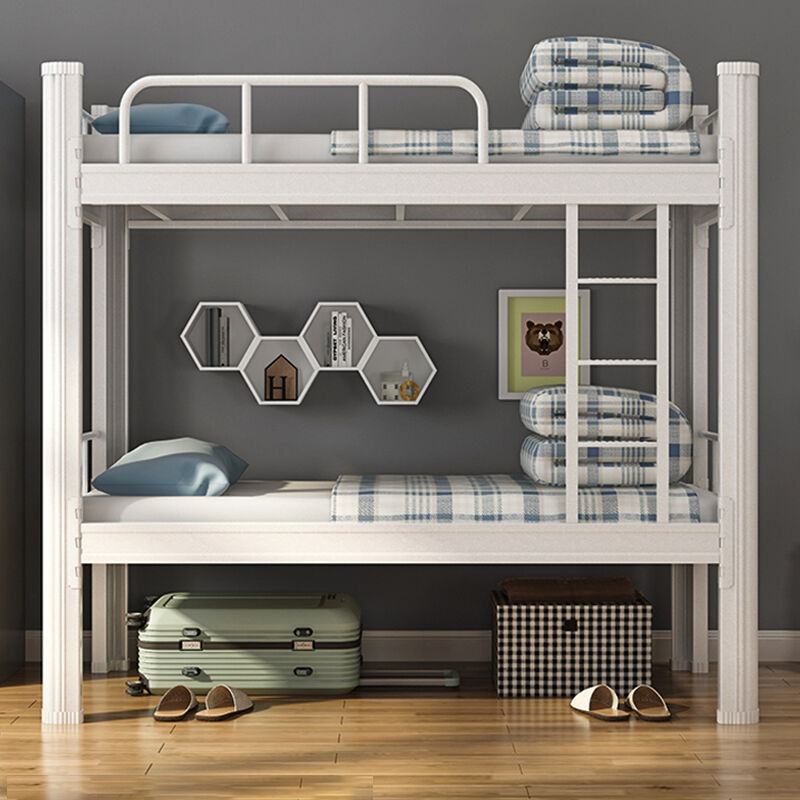
Versatility and Adaptability
Convertible Design Options
The best bunk beds for small apartments offer flexibility to adapt as your needs change. Modular designs allow for configuration changes, such as separating into two individual beds or adjusting heights. Some models feature removable lower bunks, creating space for a desk or play area. This adaptability ensures your investment remains valuable even as living situations evolve.
Consider options that allow for future modifications, such as adding or removing storage components, changing ladder positions, or incorporating additional features like trundle beds for extra sleeping capacity.
Style and Aesthetic Integration
While functionality is crucial, aesthetic appeal shouldn't be overlooked. Modern bunk bed designs range from minimalist to elaborate, offering options to complement any interior style. Clean lines and neutral finishes work well in contemporary spaces, while detailed woodwork and classic designs suit traditional décor. Some manufacturers offer customization options for finishes and hardware, ensuring perfect integration with your apartment's aesthetic.
Consider how the bunk bed's visual weight will impact your room's appearance. Designs with open sides and lighter profiles can help maintain an airy feel in small spaces, while more substantial pieces can serve as striking focal points.
Frequently Asked Questions
What is the ideal ceiling height needed for a bunk bed?
A minimum ceiling height of 8 feet is recommended for standard bunk beds, though some low-profile models can work with 7.5-foot ceilings. Always ensure at least 24 inches of clearance between the top bunk and ceiling for safety and comfort.
How can I make bunk beds more comfortable for adults?
Choose models with reinforced frames rated for higher weight capacity, invest in quality mattresses specifically designed for bunk beds, and consider options with wider dimensions. Look for features like built-in headboards and stable ladders for added comfort and convenience.
Are metal or wooden bunk beds better for small apartments?
Both materials have their merits. Metal frames are typically lighter and more affordable, making them ideal for temporary situations or frequent moves. Wooden bunk beds often offer better stability, sound dampening, and aesthetic versatility, though they're usually more expensive and heavier to move.
What types of mattresses work best with bunk beds?
Memory foam or hybrid mattresses no thicker than 8 inches are ideal for bunk beds. These provide comfort while maintaining proper guardrail height for safety. Look for mattresses specifically labeled as bunk bed compatible to ensure proper fit and support.