
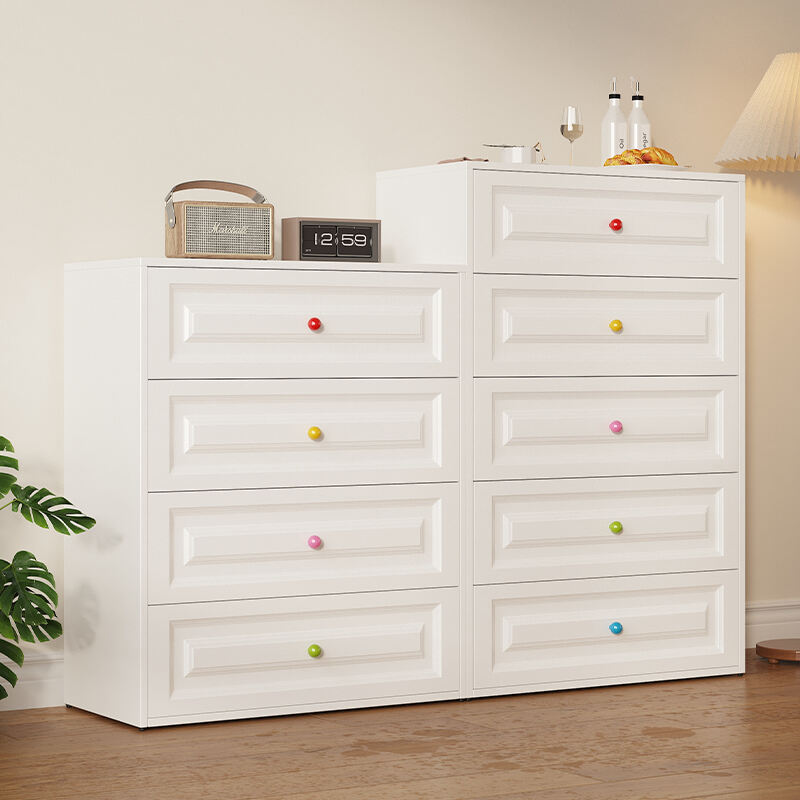
Modern warehouses face unprecedented challenges in maintaining efficient inventory management systems that can adapt to fluctuating demand patterns and evolving supply chain requirements. Storage cabinets serve as fundamental infrastructure components that enable warehouse operators to establish organized, accessible, and scalable inventory control systems. These versatile storage solutions provide the structural foundation necessary for implementing systematic approaches to inventory tracking, product categorization, and workflow optimization across diverse warehouse environments.
The strategic implementation of well-designed storage cabinets transforms chaotic warehouse spaces into methodically organized facilities where every item has a designated location and clear identification system. Professional warehouse managers recognize that effective inventory management begins with establishing reliable storage infrastructure that supports both manual and automated tracking systems. Quality storage solutions enable facilities to maintain accurate inventory records while reducing the time and labor costs associated with locating, retrieving, and restocking merchandise throughout daily operations.
Contemporary warehouse operations demand storage systems that can accommodate varying product dimensions, weight requirements, and accessibility needs while maintaining structural integrity under continuous use conditions. The selection and placement of appropriate storage cabinets directly impacts operational efficiency metrics including order fulfillment speed, inventory accuracy rates, and overall warehouse productivity. Understanding how these storage solutions contribute to comprehensive inventory management strategies enables warehouse operators to make informed decisions about facility layout and equipment investments.
Organizational Structure and Space Optimization
Systematic Product Categorization Methods
Effective storage cabinets provide the framework necessary for implementing comprehensive product categorization systems that streamline inventory tracking and retrieval processes. Warehouse managers utilize modular cabinet configurations to create dedicated zones for different product categories, enabling staff members to quickly locate items based on established organizational hierarchies. This systematic approach reduces search times while minimizing the risk of inventory misplacement that can lead to stockout situations or inaccurate inventory records.
Advanced categorization methods incorporate both physical and digital identification systems that work in conjunction with cabinet-based storage arrangements. Each storage cabinet section can be assigned specific product codes, barcode labels, or RFID tags that correspond to inventory management software databases. This integration creates a seamless connection between physical storage locations and digital tracking systems, enabling real-time inventory monitoring and automated reorder point calculations.
Maximizing Available Floor Space
Strategic cabinet placement maximizes vertical storage capacity while maintaining clear pathways for material handling equipment and personnel movement throughout warehouse facilities. Multi-level storage cabinets allow warehouses to utilize overhead space effectively without compromising ground-level accessibility for frequently accessed inventory items. This three-dimensional approach to space utilization significantly increases storage density compared to traditional floor-based storage methods.
Properly configured storage cabinets create defined boundaries between different operational areas within warehouse environments, establishing clear zones for receiving, picking, packing, and shipping activities. This spatial organization reduces cross-traffic congestion while ensuring that inventory items remain within designated areas throughout the fulfillment process. The resulting workflow efficiency improvements translate directly into reduced order processing times and enhanced customer satisfaction levels.
Inventory Accuracy and Control Systems
Real-Time Tracking Implementation
Modern storage cabinets integrate seamlessly with digital inventory tracking systems that provide real-time visibility into stock levels, product locations, and movement patterns throughout warehouse operations. Each cabinet section can be equipped with scanning stations or sensor technologies that automatically record inventory transactions as items are added or removed from specific storage locations. This automated tracking capability eliminates manual counting errors while providing warehouse managers with continuous updates on inventory status.
The implementation of cabinet-based tracking systems enables warehouse operators to maintain precise inventory records that reflect actual stock levels rather than theoretical quantities based on purchase orders and sales transactions. This accuracy improvement reduces the discrepancies between physical inventory and system records that often plague traditional warehouse operations. Accurate inventory data supports better demand forecasting, purchasing decisions, and customer service capabilities.
Security and Access Control Features
Specialized storage cabinets incorporate advanced locking mechanisms and access control features that protect valuable inventory items while maintaining detailed records of who accesses specific products and when. These security measures prevent unauthorized inventory removal while creating audit trails that support loss prevention efforts and compliance requirements. Restricted access capabilities ensure that only qualified personnel can handle sensitive or high-value merchandise.
Electronic access control systems integrated with storage cabinets enable warehouse managers to implement role-based permissions that limit employee access to appropriate inventory categories based on job responsibilities and security clearance levels. This controlled access approach reduces the risk of inventory shrinkage while maintaining accountability for all inventory transactions. Digital access logs provide valuable data for analyzing picking patterns and identifying potential process improvements.
Workflow Efficiency and Process Optimization
Streamlined Picking and Packing Operations
Well-organized storage cabinets facilitate efficient picking operations by grouping frequently accessed items in easily accessible locations while maintaining logical product arrangements that minimize travel time between picks. Strategic cabinet positioning creates natural picking routes that reduce unnecessary movement throughout warehouse facilities. This optimized layout design significantly improves order fulfillment speed while reducing the physical strain on warehouse personnel.
The modular nature of professional storage cabinets allows warehouse operators to reconfigure storage arrangements based on changing product mix requirements or seasonal demand patterns. This flexibility enables facilities to adapt their layouts without major infrastructure investments, maintaining optimal picking efficiency as business needs evolve. Adjustable shelving systems within storage cabinets provide additional customization options for accommodating varying product dimensions.
Integration with Material Handling Equipment
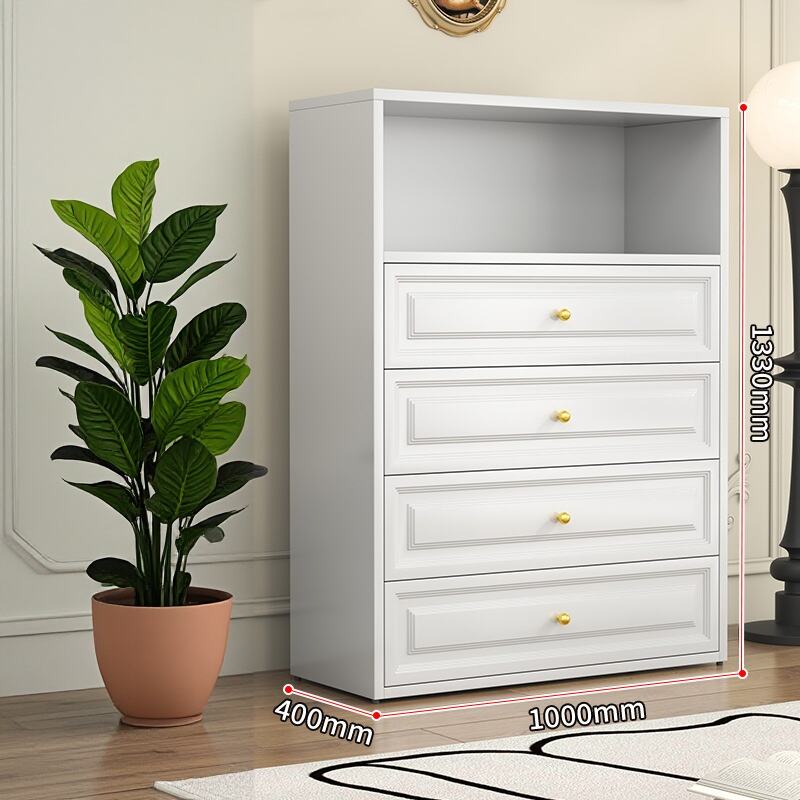
Modern storage cabinets are designed to work effectively with various material handling equipment including forklifts, conveyor systems, and automated picking robots. Cabinet dimensions and structural specifications ensure compatibility with standard warehouse equipment while providing safe access points for both manual and automated retrieval operations. This equipment integration capability supports the implementation of advanced warehouse automation technologies.
The standardization of cabinet heights and access points creates consistent interfaces for material handling equipment operators, reducing training requirements while improving operational safety throughout warehouse facilities. Clear sight lines and adequate maneuvering space around storage cabinets enable efficient equipment operation while minimizing the risk of accidents or inventory damage during material handling activities.
Cost Management and ROI Considerations
Labor Efficiency Improvements
Implementing comprehensive storage cabinet systems reduces labor costs associated with inventory management activities by minimizing the time required for locating, counting, and organizing merchandise throughout warehouse operations. Organized storage arrangements enable employees to work more efficiently while reducing the training time required for new personnel to become productive in warehouse environments. These labor savings contribute significantly to overall operational cost reductions.
Standardized storage procedures facilitated by consistent cabinet configurations create predictable workflows that enable accurate labor planning and scheduling optimization. Warehouse managers can develop precise time standards for various inventory tasks based on cabinet-organized storage systems, improving resource allocation and productivity management capabilities. This predictability supports better workforce planning and cost control initiatives.
Inventory Carrying Cost Optimization
Effective storage cabinets help minimize inventory carrying costs by preventing product damage, deterioration, and obsolescence through proper organization and environmental protection. Climate-controlled cabinet options protect sensitive merchandise from temperature and humidity fluctuations that can compromise product quality. This protection capability reduces write-offs and returns while maintaining customer satisfaction levels.
The improved inventory accuracy enabled by cabinet-based storage systems supports better purchasing decisions and inventory level optimization, reducing excess stock investment while maintaining appropriate service levels. Accurate demand forecasting based on reliable inventory data helps warehouse operators minimize working capital requirements while avoiding stockout situations that can damage customer relationships and sales performance.
Technology Integration and Future Scalability
IoT and Smart Storage Solutions
Advanced storage cabinets incorporate Internet of Things sensors and smart monitoring technologies that provide continuous data streams about inventory levels, environmental conditions, and usage patterns. These intelligent systems enable predictive maintenance scheduling and proactive inventory management decisions based on real-time data analysis. Smart storage solutions represent the evolution of traditional storage cabinets toward fully integrated warehouse management ecosystems.
The connectivity capabilities of modern storage cabinets support integration with enterprise resource planning systems, customer relationship management platforms, and supply chain management software. This comprehensive integration creates unified data environments that enable warehouse operators to make informed decisions based on complete operational visibility. Connected storage systems facilitate automated reordering, demand forecasting, and performance optimization initiatives.
Scalable Growth Accommodation
Modular storage cabinet designs accommodate business growth and changing operational requirements without requiring complete facility reconfiguration or major capital investments. Expandable systems enable warehouses to add storage capacity incrementally as inventory volumes increase, maintaining cost-effective growth trajectories. This scalability feature particularly benefits growing businesses that need flexible storage solutions.
The standardized interfaces and mounting systems used in professional storage cabinets ensure compatibility with future technology upgrades and equipment additions. This forward compatibility protects warehouse investment while enabling facilities to adopt new technologies and processes as they become available. Future-ready storage solutions support long-term operational planning and strategic development initiatives.
FAQ
What types of storage cabinets work best for different inventory categories
The optimal storage cabinet selection depends on specific inventory characteristics including product dimensions, weight requirements, security needs, and access frequency patterns. Heavy-duty steel cabinets suit industrial parts and tools, while climate-controlled units protect electronic components and sensitive materials. Small parts cabinets with multiple drawers work effectively for hardware and fasteners, while tall cabinets maximize vertical space for lightweight items. Professional assessment of inventory requirements ensures appropriate cabinet selection for each application.
How do storage cabinets improve inventory accuracy compared to open shelving systems
Storage cabinets provide enclosed environments that prevent unauthorized access, accidental displacement, and environmental contamination that commonly affect open shelving systems. The contained spaces make inventory counting more accurate and efficient while reducing the risk of items falling or being misplaced during warehouse activities. Cabinet-based systems also support better integration with tracking technologies including barcode scanners and RFID readers that require controlled access points for reliable operation.
What maintenance requirements should warehouses consider for storage cabinet systems
Regular maintenance requirements for storage cabinets include periodic inspection of locking mechanisms, structural integrity assessment, and cleaning of surfaces and access points. Moving parts such as drawer slides and door hinges require lubrication according to manufacturer specifications to ensure smooth operation and prevent premature wear. Electronic components integrated with smart storage cabinets need software updates and sensor calibration to maintain accuracy and functionality over time.
How can warehouses calculate the return on investment for storage cabinet upgrades
ROI calculations for storage cabinet investments should include labor savings from improved efficiency, reduced inventory carrying costs through better organization, decreased product damage and loss rates, and enhanced space utilization that defers facility expansion needs. Quantifiable benefits include reduced picking times, improved inventory accuracy rates, and lower training costs for new employees. Professional warehouse consultants can help develop comprehensive ROI models that account for both direct cost savings and indirect operational improvements resulting from cabinet system implementation.
Table of Contents
- Organizational Structure and Space Optimization
- Inventory Accuracy and Control Systems
- Workflow Efficiency and Process Optimization
- Cost Management and ROI Considerations
- Technology Integration and Future Scalability
-
FAQ
- What types of storage cabinets work best for different inventory categories
- How do storage cabinets improve inventory accuracy compared to open shelving systems
- What maintenance requirements should warehouses consider for storage cabinet systems
- How can warehouses calculate the return on investment for storage cabinet upgrades