
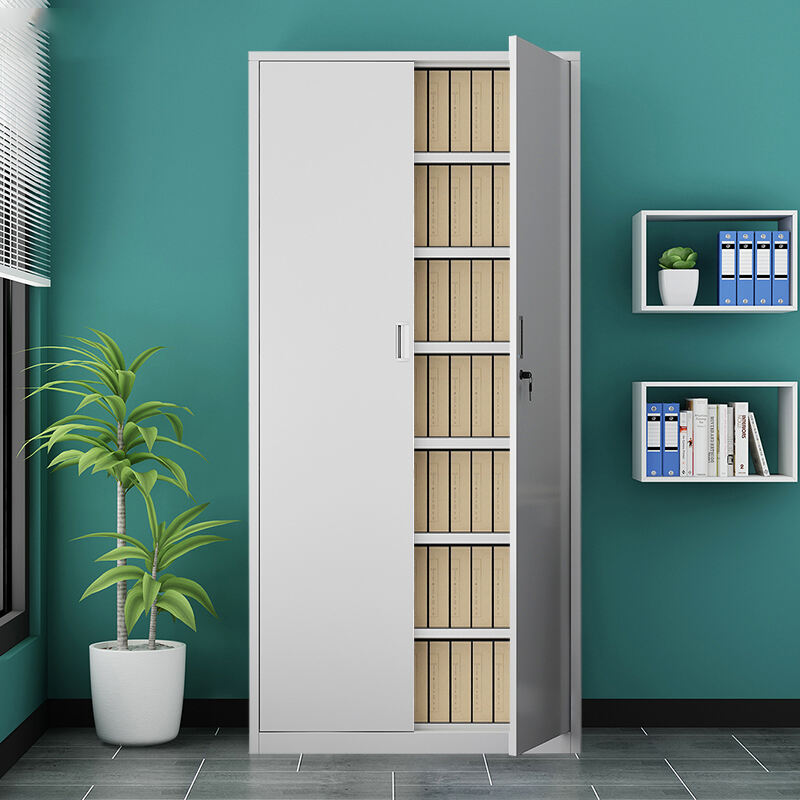
The Primary Uses of a Filing Cabinet
A filing cabinet is primarily utilized for the systematic storage of paper documents, files, and records. It enables users to categorize information logically, ensuring quick access when needed. Common applications include:
- Document Organization: Filing cabinets allow for the arrangement of papers in folders, often labeled by category, date, or alphabetical order, reducing clutter and enhancing workflow efficiency.
- Secure Storage: Many models feature locking mechanisms to protect sensitive information, such as financial records, legal documents, or personal data, from unauthorized access.
- Space Optimization: By utilizing vertical space, filing cabinets maximize storage in limited areas, making them ideal for offices, home workspaces, or garages.
- Archival Purposes: They serve as long-term storage for historical records or infrequently accessed files, preserving paper integrity over time.
- Multi-Purpose Functionality: Beyond documents, filing cabinets can store office supplies, tools, or small electronics, adapting to various environments.
Did You Know? The modern filing cabinet was invented in the late 19th century by Edwin G. Seibels, revolutionizing office efficiency by introducing vertical filing systems that saved significant space compared to flat storage methods.
Types of Filing Cabinets and Their Applications
Filing cabinets are available in several types, each suited to specific uses and spaces. Understanding these variations helps in selecting the appropriate model for your requirements.
- Vertical Filing Cabinets: Tall and narrow, ideal for letter or legal-sized documents, commonly used in small offices for space-saving storage.
- Lateral Filing Cabinets: Wider and shorter, accommodating side-to-side filing, suitable for high-volume document storage in larger workspaces.
- Mobile Filing Cabinets: Equipped with wheels for portability, perfect for dynamic environments like home offices or shared workspaces.
- Fireproof Filing Cabinets: Designed to protect contents from fire damage, essential for storing critical documents in commercial settings.
- Multi-Drawer Cabinets: Versatile units with multiple small drawers, used for organizing small items beyond papers, such as tools or supplies.
Benefits of Using a Filing Cabinet
Incorporating a filing cabinet into your organization system offers numerous advantages, enhancing both productivity and security.
- Efficiency: Quick access to documents streamlines workflows, reducing time spent searching for information.
- Security: Locking features ensure confidential files remain protected, complying with data privacy standards.
- Durability: Constructed from materials like steel or wood, filing cabinets withstand daily use and environmental factors.
- Cost-Effectiveness: An affordable long-term storage solution compared to digital alternatives for physical records.
- Aesthetic Integration: Available in various designs and finishes to match office or home decor.
How to Choose the Right Filing Cabinet
Selecting the appropriate filing cabinet involves considering factors such as space, storage needs, and material preferences. Follow these steps for an informed decision:
- Assess Your Space: Measure the available area to determine if a vertical or lateral design fits best.
- Evaluate Storage Needs: Consider the volume and type of documents; opt for more drawers for high-capacity requirements.
- Prioritize Security: Choose lockable models for sensitive information.
- Select Materials: Metal for durability in high-use environments or wood for aesthetic appeal in home offices.
- Budget Accordingly: Entry-level cabinets start at $50, while premium models range from $200 to $500 or more.
Comparison of Filing Cabinet Types
| Type | Dimensions (Typical) | Capacity | Best For |
|---|---|---|---|
| Vertical | 15" W x 28" D x 52" H | 2-5 drawers | Small offices, space-saving |
| Lateral | 36" W x 19" D x 53" H | 2-5 drawers | High-volume storage |
| Mobile | 15" W x 22" D x 28" H | 2-3 drawers | Flexible workspaces |
| Fireproof | 17" W x 22" D x 52" H | 2-4 drawers | Secure document protection |
| Multi-Drawer | 15" W x 22" D x 30" H | 5-10 drawers | Small item organization |
Tips for Maintaining a Filing Cabinet
To ensure your filing cabinet remains functional and durable, follow these maintenance tips:
- Regular Cleaning: Wipe surfaces with a damp cloth to remove dust; use mild soap for stubborn stains.
- Lubricate Drawers: Apply lubricant to tracks annually for smooth operation.
- Avoid Overloading: Distribute weight evenly to prevent drawer misalignment.
- Secure Locks: Test locking mechanisms periodically to ensure security.
- Position Strategically: Place in dry, temperature-controlled areas to prevent rust or warping.
Conclusion
Filing cabinets are versatile storage solutions essential for organizing documents in offices and homes. By understanding their uses, types, and benefits, you can select the right filing cabinet to enhance efficiency and security. Whether opting for a vertical model for space-saving or a fireproof unit for protection, investing in a quality filing cabinet streamlines document management and supports long-term productivity.